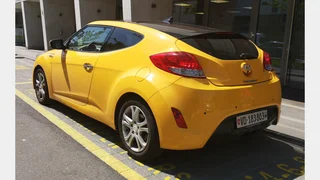
Hyundai store in Korea
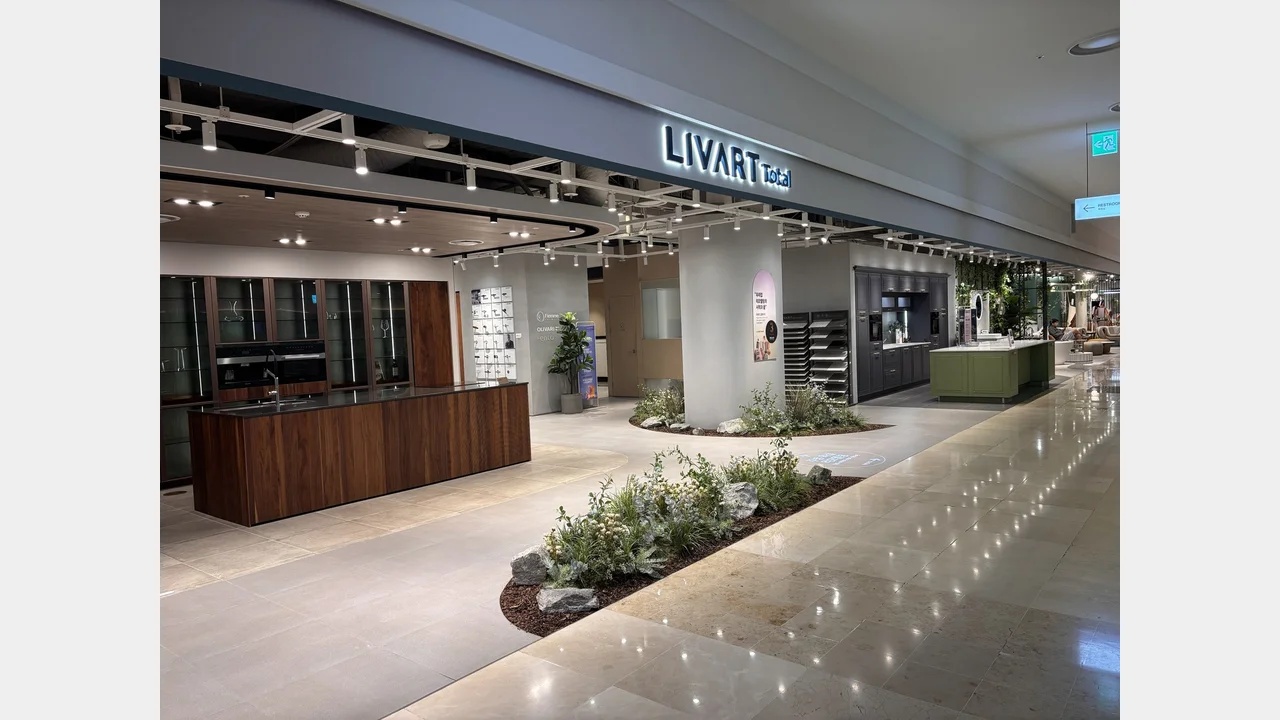
A Hyundai store in Korea represents the brand’s domestic retail and brand-experience footprint, not a single uniform outlet. For a U.S. reader, the phrase can describe corporate showrooms, localized dealerships, or cultural spaces where the automaker displays current vehicles and technology. Because Hyundai operates globally with market-specific lineups, the Korean retail environment often emphasizes domestic body styles, powertrain configurations, and trim packaging that differ from American Hyundai stores. Understanding this distinction helps you interpret photographs, videos, travel information, or parts inquiries without assuming a Korean location matches a U.S. dealer’s inventory, model generation, or market specification.
Essential answer
A Hyundai store in Korea is best understood as any authorized Hyundai retail, display, or brand location operating within the company’s home market. The essential answer is that such a store exists within a different retail and product context than a U.S. Hyundai dealership. While the corporate identity, badge, and many engineering platforms are shared globally, the Korean domestic lineup often includes model variants, market specification details, and trim levels that are not exported or are renamed overseas. A search for the Hyundai Korean store therefore points to a domestic experience rather than a direct equivalent of an American showroom.
The scope also includes flagship or cultural spaces where visitors can see concept vehicles, mobility technologies, and current production cars together. These locations may serve as brand showcases in addition to sales points. Because model year and model generation timing can vary by region, a vehicle shown in Korea may represent a powertrain configuration or body style introduced there before or instead of the U.S. version. Practical automotive reasoning suggests treating any specification seen in Korean store media as market-specific until confirmed against the U.S. importer’s official materials, since emissions, lighting, badging, and feature packaging commonly differ between domestic and export vehicles.