Hyundai small cars
Shopping for a Hyundai small car means weighing body configuration, powertrain options, and equipment level against daily driving needs. The term covers several market segments, from subcompact hatchbacks to compact sedans, and regional availability changes what appears on a dealer lot in any model year. A three-door body is less common in recent US catalogs, while five-door and four-door designs dominate the practical end of the segment. Understanding what makes these vehicles similar, and where one query leads to a different answer, helps narrow the choices before a test drive.
Essential answer
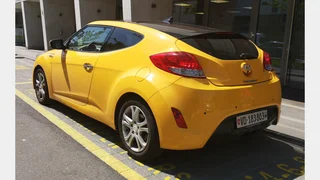
A Hyundai small car is best understood as a model positioned in the subcompact or compact segment, engineered for efficient packaging rather than maximum passenger volume. The exact vehicle depends on era and market. Some shoppers asking about a Hyundai 3 door car are remembering older hatchback designs, while current US buyers generally encounter four-door sedans and five-door hatchbacks. The distinction matters because body configuration changes cargo access, rear-seat usability, and how easily a child seat or bicycle fits into the daily routine.
The search intent is mixed: some buyers want an affordable commuter, others a first car, and some are simply comparing available body styles. Regional availability and equipment level further shape the answer. Powertrain options in this class typically favor modest displacement and fuel economy, but a specific trim may add convenience or driver-assistance features. Without a confirmed model year, the safest overview is that Hyundai's small-car line has historically balanced low ownership expectations with conventional front-wheel-drive layouts and space-efficient cabins.