Hyundai i20 details
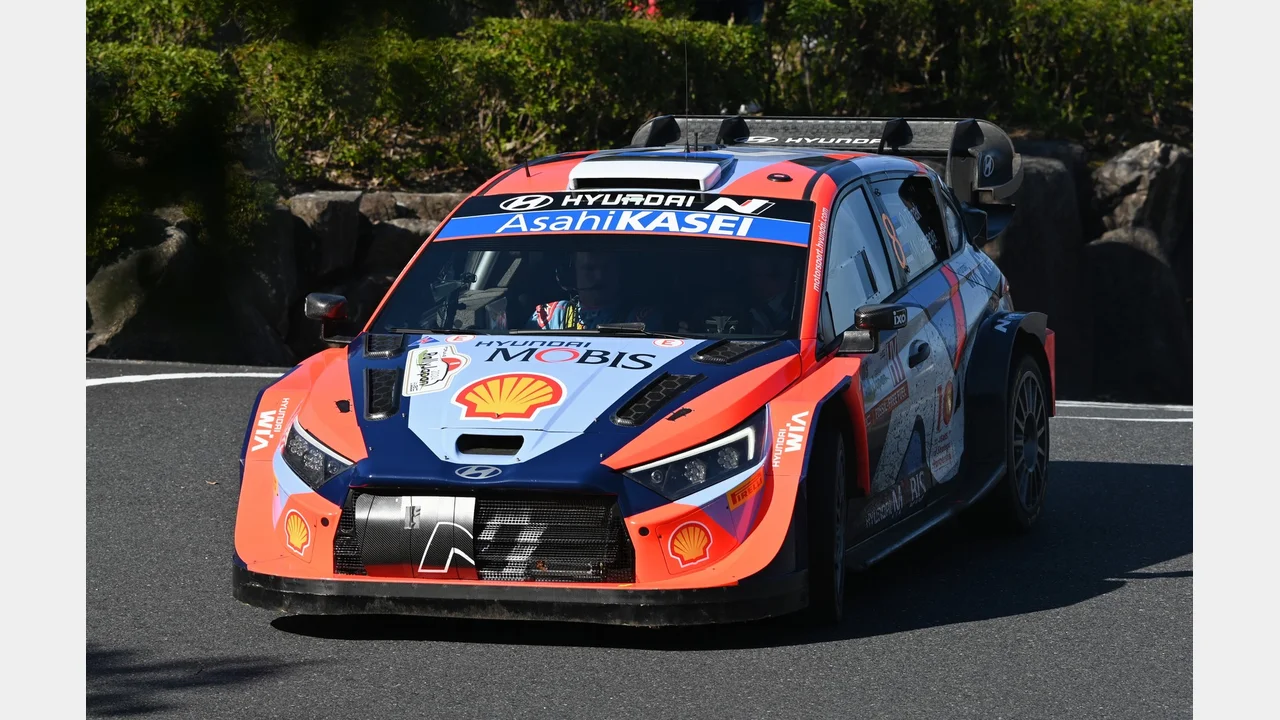
The Hyundai i20 is a subcompact hatchback developed primarily for markets outside North America, and shoppers researching Hyundai i20 car details usually want to know how one model generation, market specification, or body style differs from another. Because official availability and equipment vary by region, a general overview must distinguish widely shared design principles from vehicle-specific claims. The most useful starting point is therefore model identification: recognizing the generation, model year, trim level, and powertrain variant helps a buyer interpret specifications, features, and ownership expectations without relying on assumptions that may not apply to a particular imported or overseas-market car.
Essential answer
The essential answer is that “Hyundai i20 car details” refers to the identifying and descriptive information that separates one i20 from another, not to a single universal specification. Hyundai has produced the i20 in successive model generations, with changes to exterior styling, interior layout, available engines, and technology. A given car’s meaningful details depend on its market specification, because equipment supplied in Europe, India, or other regions can differ even when the body style appears similar from the outside.
For a practical overview, buyers should first establish which model generation and model year they are examining. The body style has generally remained a front-wheel-drive subcompact hatchback, but trim level and powertrain variant shape the actual experience. For example, a naturally aspirated gasoline engine paired with a manual transmission offers different performance and maintenance considerations than a turbocharged unit with a dual-clutch automatic. Treating these variables as part of the vehicle’s identity prevents misleading comparisons between cars that share only the i20 name.