Hyundai electric cars in India
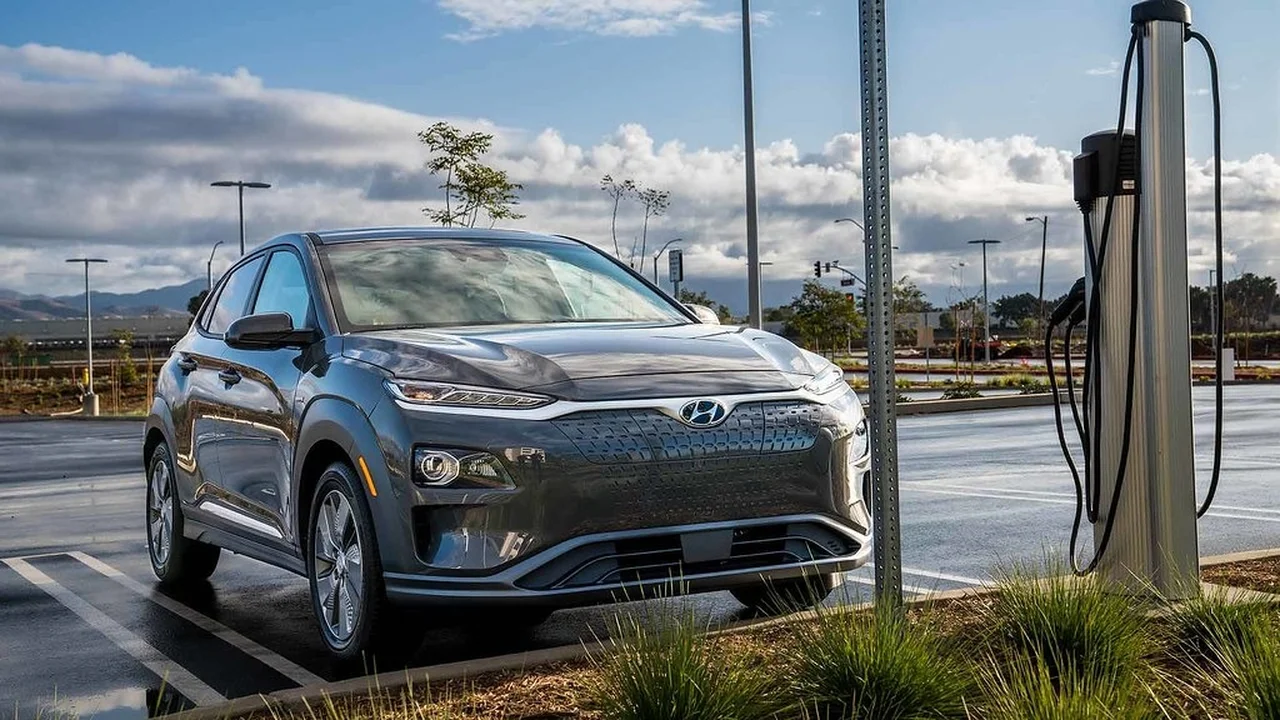
Shopping for a Hyundai electric car in India means evaluating more than a badge or a silhouette. The right choice depends on how the high-voltage system manages heat, how battery management preserves range, and whether charging compatibility fits the owner’s daily parking and travel pattern. Buyers weighing a Hyundai new EV car in India should first check official vehicle specification sheets for cell chemistry, thermal management, charge-port standards, and onboard charger ratings. Those technical details shape ownership costs, charging speed, cabin comfort, and long-term battery behavior far more than a single range figure or a trim-level feature list.
The direct answer
The immediate answer is that Hyundai’s newest electric cars sold in India are best judged by their usable battery capacity, onboard charger type, and supported DC fast-charging connector—not by a single marketing range. A vehicle that charges reliably at the stations the driver can actually reach will often be more practical than one with a slightly larger battery but incompatible charging hardware. Before selecting a variant, confirm the charge-port layout and the maximum AC and DC power the vehicle can accept.
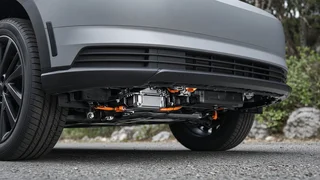
Thermal management matters in India’s heat. Liquid-cooled battery packs tend to preserve charging performance and reduce power throttling during long highway drives or repeated fast-charge sessions. Also examine the battery management strategy: active cooling, preconditioning availability, and conservative charge buffers can influence degradation and real-world range. Ask whether the variant includes a heat pump, which is less critical in warm regions than cabin-cooling load, but still affects energy use. The safest next step is to match the vehicle specification sheet to your actual charging access.