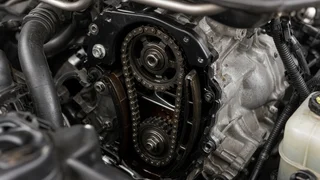
Hyundai D4CB Timing Chain
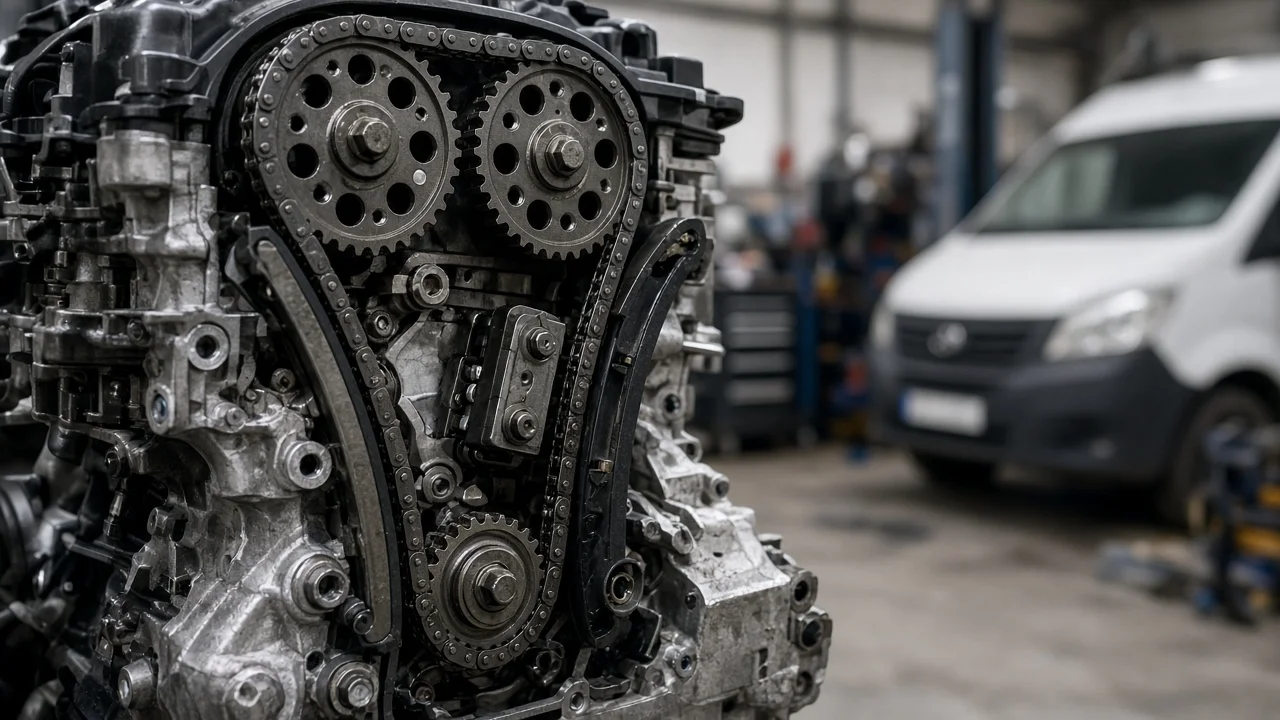
If you own or are considering a vehicle powered by the Hyundai D4CB diesel engine, understanding its timing chain matters for long-term reliability. This engine family uses a chain rather than a belt to synchronize the camshaft and crankshaft, yet the exact replacement interval and wear behavior can vary by application and service history. The D4CB appears in different commercial and passenger platforms, so a timing chain concern is not a single universal problem. Knowing how the system behaves helps you interpret noise, diagnostic codes, and maintenance decisions before a minor symptom becomes an expensive repair.
Essential answer
The D4CB engine timing chain is the internal component that keeps the valvetrain in correct mechanical phase with the pistons. Unlike a rubber belt that typically follows a fixed mileage replacement schedule, a timing chain is designed for extended service life but can still stretch, wear, or become noisy when lubrication, tensioner function, or maintenance is neglected. On a D4CB, the chain system usually includes guides and a tensioner, so the complete assembly matters more than the chain alone. A direct answer depends on the specific vehicle, engine version, and whether the current chain has ever been inspected.
In practical terms, the D4CB timing chain should not be viewed as a lifetime component that requires no attention. Chains can develop slack gradually, change valve timing slightly, and eventually trigger diagnostic codes or audible symptoms under certain engine configurations. Manufacturer specifications and service history are the most reliable guides for deciding whether replacement is necessary. If the engine has high runtime, irregular oil changes, or repeated cold starts, the chain may wear earlier than a well-maintained example, even without a published interval.