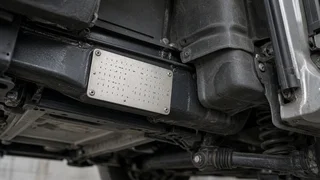
Hyundai chassis number and VIN decoder

A Hyundai chassis number, often called a vehicle identification number (VIN), unlocks factory details that matter when buying, registering, or sourcing parts. Decoding the 17-character sequence can reveal a model year, assembly plant, trim code, market specification, and original factory equipment without opening the hood or digging through paperwork. For owners and shoppers, this means distinguishing similarly named trims, confirming a powertrain, or checking that a listed vehicle matches its physical stampings. Understanding what the identifier can and cannot show is the first step toward using it confidently.
Essential answer
A Hyundai VIN decoder interprets the structured vehicle identification number by translating its characters into useful vehicle details. The opening section identifies the manufacturer and region, while later positions may indicate model year, assembly plant, and the specific serial sequence. On Hyundai vehicles, different markets can use unique coding conventions, so a decoder tuned for US market specification is generally more accurate than a generic international reader when you are checking a car sold in the United States.
When you request Hyundai car details by chassis number, the decoder typically returns the model year, engine family, body style, and factory where the vehicle was assembled. That information can help confirm whether a used car has the expected displacement or whether a replacement part matches the trim code and factory equipment. A chassis number is evidence of how the vehicle was originally built, not proof that every component remains unchanged. Production data should always be compared with the visible stampings and the vehicle's actual condition.