Hyundai car prices
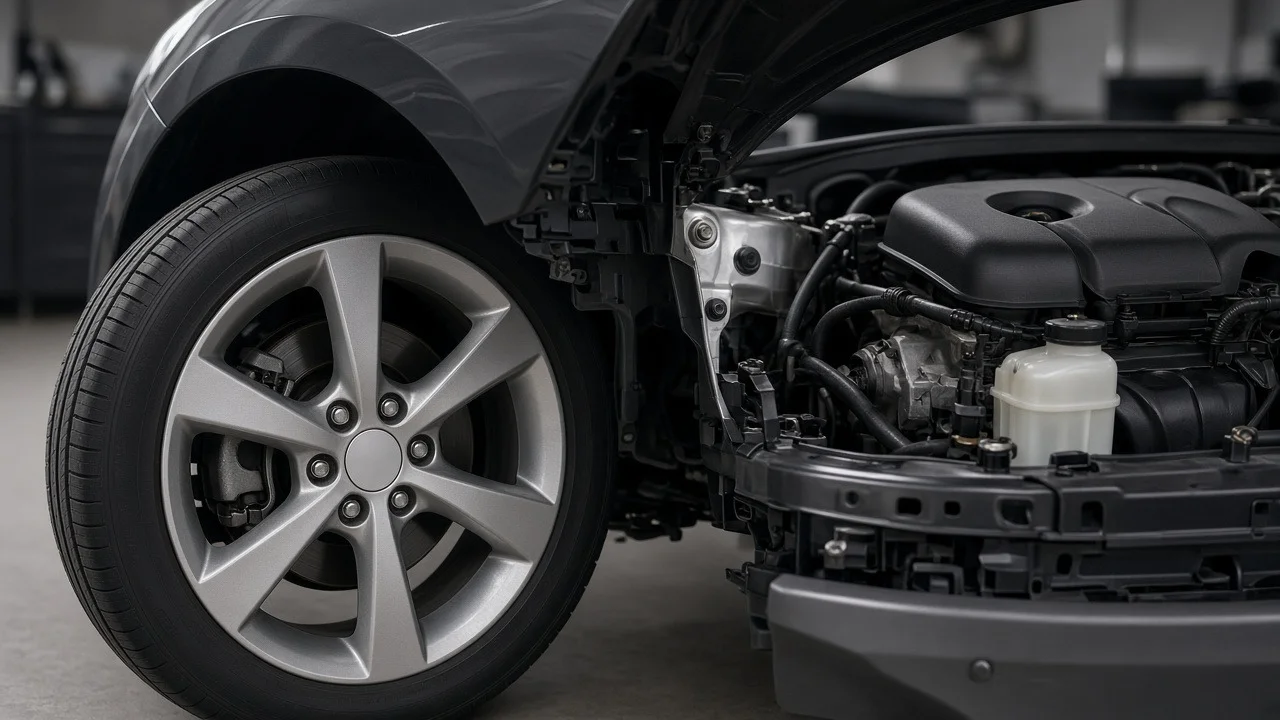
Shopping for a Hyundai involves more than finding the lowest advertised number. The figure on a dealer website is only a starting point because model year, trim level, regional market conditions and included charges shift the final transaction amount. Hyundai car prices vary widely across the lineup, from value-focused subcompact models to larger electrified crossovers. Understanding how vehicle condition, destination fees, taxes and dealer-installed accessories affect the out-the-door cost helps you compare offers with confidence. This approach turns a broad commercial search into a practical budget decision based on market valuation rather than headline pricing alone.
The direct answer
There is no single Hyundai car price because the brand sells vehicles at different sizes, powertrains and feature levels. A base subcompact sedan typically costs less than a three-row SUV or a dedicated electric vehicle, while the same model can move by thousands of dollars when the trim level and model year change. Your regional market also affects advertised figures through inventory pressure, local fees and promotional programs. For an accurate starting number, treat any published price as one data point, then build the total using the specific configuration and delivery location.
Vehicle condition matters most when the search includes used, certified pre-owned or leftover prior-year inventory. A new car carries no wear-based depreciation, but a lightly used example may show a lower asking price while lacking factory incentives. Included charges are another variable: destination, documentation, sales tax and registration can raise the final figure above the advertised amount. Before comparing offers, confirm which costs are included and whether optional equipment has already been added to the quoted market valuation.