H&S Mini Maxx Transmission Relearn: What It Does and When to Use It
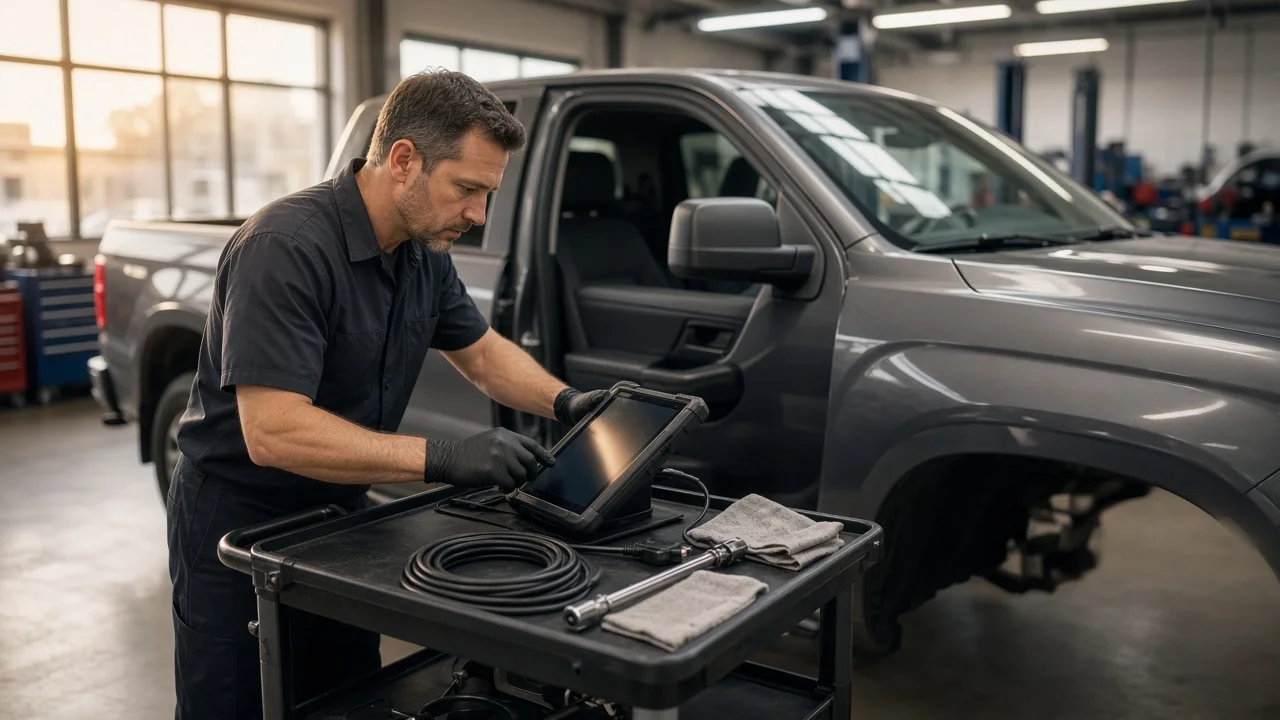
If you run an H&S Mini Maxx on a diesel truck, you may want to reset the transmission's learned shift settings. Owners usually look for this after installing or removing a tune, changing fluid or replacing transmission parts. Whether the device offers the function, and what it resets, depends on the truck's transmission type and on the unit's application and software version. Here is what a relearn does, when it helps and when it will not solve the problem.
The short answer
A transmission relearn clears the corrections the transmission controller has stored and lets it rebuild them as you drive. On applications where the Mini Maxx supports this, you connect the device to the diagnostic port with the truck parked, choose the reset or relearn function and follow the on-screen prompts exactly. After the reset, the truck needs a period of normal driving through every gear before the shifts settle. Until then, shifts may feel firmer, softer or less consistent than you are used to.
A relearn is a calibration step, not a repair. It makes sense after a tune change, a fluid service or the replacement of internal components. It will not correct low fluid, worn clutches, a failing solenoid or a wiring fault. A rough or erratic shift also does not, by itself, prove that any particular part has failed.
How adaptive shift learning works
Electronically controlled automatics do not run only on fixed shift tables. The controller measures how long each shift takes, compares input and output shaft speeds and adjusts clutch apply pressure or fill time to keep shifts within its target. Over many miles, these small corrections accumulate in memory and compensate for normal wear, fluid condition and manufacturing tolerances.
Those stored corrections can become outdated. A tune can change torque output, shift points or pressure commands, so values learned under the old calibration no longer fit. New clutches, a replacement valve body or fresh fluid also behave differently from the worn parts the controller was compensating for. Clearing the adaptive data removes the old corrections and returns the controller to its base values. Learning then happens gradually, only during shifts that occur under conditions the controller accepts as valid. That usually means warm fluid and steady, moderate throttle.
What changes the answer
Transmission type matters most. Diesel trucks of the era the Mini Maxx was sold for used different automatics depending on make and model year. Examples include Ford's TorqShift units, the Allison 1000 behind Duramax engines and the Chrysler automatics behind Cummins engines. Each stores and relearns adaptive data in its own way. Some older or more hydraulically controlled designs have limited adaptive memory. Trucks with a manual transmission have no shift adaptives to reset at all.
Fitment and software version also count. The device must be loaded for your exact vehicle, and its menu options differ between applications and versions. A feature available on one truck may be missing on another. Some controllers can only be reset through a tool command. Disconnecting the battery clears adaptive memory on some vehicles but not on others, so do not assume it substitutes for a proper reset.
Operating conditions shape what the controller learns. Learning that happens mostly while towing a heavy trailer, or in very cold weather before the fluid warms up, can produce different shift behavior than learning under ordinary driving. If you can, complete the first stretch of relearning under the conditions you drive in most.
What the owner can do
Before the reset, confirm your transmission type and fluid specification from the owner's manual or vehicle labels. Check the fluid level and condition using the manufacturer's method, because many of these units must be checked at a specific temperature or by a specific procedure. Read the stored diagnostic codes with the device and write them down. Some reset routines also clear codes, and that information is valuable if a problem turns up later. If codes point to a transmission or sensor fault, deal with them first rather than relearning over them.
During the procedure, keep battery voltage stable. Use a charger if the session may run long, and switch off lights, heater fans and other loads. Put the key in the position the prompts call for and do not unplug the device until it confirms the process has finished.
Afterward, let the truck reach normal operating temperature. Drive with light to moderate throttle so it upshifts through every gear, and include some stops and slowdowns so it also learns downshifts. Repeat this over several trips, and avoid heavy towing and full-throttle runs at first. Note how shifts feel as the miles add up. Add the date, mileage, tune version and reason for the relearn to your service history, which helps any technician who works on the truck later.
Limitations and when to get help
No general guide can give the exact menu path or drive cycle for every truck and software version. Use the instructions for your device and application together with the factory service information for your transmission. If the unit's software is outdated or was loaded for a different vehicle, its options may not behave as expected.
See a transmission specialist if slipping, flaring between gears, delayed engagement or harsh engagement continues after a reasonable relearn period. The same applies if codes return, the fluid smells burnt or contains debris, or the transmission runs hot. A technician can check line pressure, solenoid operation and live data to tell a calibration issue from a mechanical one. Depending on what testing shows, repair options range from software and adaptive work to solenoid or valve body service or a full overhaul. Diagnosis, not the symptom alone, should decide which one you need.