How vacuum windshield wipers work
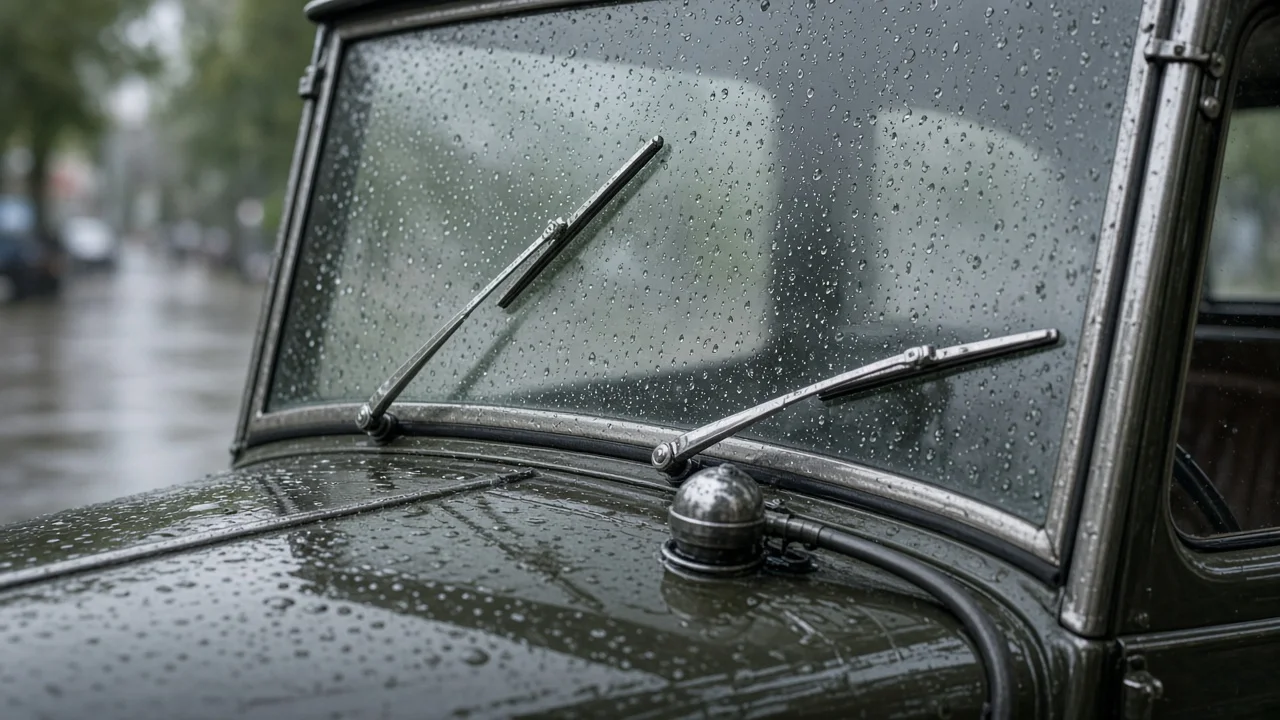
Vacuum windshield wipers were an early solution for keeping glass clear before electric wiper motors became standard. These systems used low pressure from the engine intake to move the wiper arms across the glass. Understanding them helps classic-car owners and enthusiasts recognize why wiping performance changed with throttle position and how the design differed from modern windshield wipers. Although vacuum powered windshield wipers are no longer common on new vehicles, they still appear on restored cars and historic models where the original mechanism remains part of the vehicle specification and driving character.
Essential answer
A vacuum windshield wiper system uses engine vacuum to drive a small motor mounted near the base of the windshield. Instead of receiving current from an electric circuit, the wiper motor has an internal diaphragm or vane that moves when manifold vacuum is applied. The motion is converted to the sweeping action that pushes the wiper arms through their arc. This design was common before reliable 12-volt electric motors and stable charging systems made electric wipers practical on a wide range of vehicles.
The essential point is that vacuum wipers are powered by airflow pressure differences rather than battery voltage. That difference shapes how they behave in real driving. The amount of available vacuum changes with engine load, so wiper speed is not constant like a modern intermittent or two-speed electric setup. Readers researching how vacuum windshield wipers work should understand that the system depends on engine operation and cannot provide steady wiping under all conditions without an additional vacuum reserve or pump.
How it works
The operating principle relies on a pressure imbalance created by the engine's intake stroke. When the throttle is partially closed, the engine pulls against a restricted intake and produces strong vacuum in the intake manifold. A hose or metal line carries that low pressure to the wiper motor. Inside the unit, atmospheric pressure pushes against a flexible diaphragm or paddle because the chamber on the other side is connected to the vacuum source. The resulting movement drives a linkage that rotates the wiper transmission.
In practice, the system works best when the driver is not accelerating hard. At idle, throttle is closed and manifold vacuum is high, so the wiper blades move quickly. When climbing a hill or accelerating, the throttle opens, manifold vacuum drops, and the wiper may slow or stop. This directly affects visibility during conditions that often require clear glass, such as passing a truck on a wet road. A separate vacuum reservoir or fuel pump with an integrated vacuum booster could help maintain steadier operation on some applications.
Strengths, limitations and suitability
The primary strength of a vacuum wiper system is its simplicity and independence from vehicle electrical load. It does not draw amperage from a generator or add demand to an early voltage regulator. For older vehicles with limited electrical output, that was a meaningful advantage. The mechanism is also relatively compact and can be located low on the cowl without requiring extra wiring, relays, or a dedicated switch carrying motor current.
The limitation is inconsistent speed tied to manifold vacuum. This makes vacuum windshield wipers less suitable for driving that involves frequent acceleration or long grades, where wiper response can momentarily fade. The system also depends on the condition of hoses, fittings, and the motor diaphragm. Hardened hoses, cracked connectors, or seal deterioration allow outside air to enter and reduce vacuum strength. Even with good mechanical condition, these wipers are best accepted as part of a vintage driving experience, not as a modern all-weather clearing system.
Procedure
To inspect a vacuum wiper system, begin with the engine running at idle and the wiper switch on. Listen near the motor and watch the blade movement. A strong idle signal normally produces a steady sweep. If the wipers stall when the throttle is opened, that is expected in many vehicles because manifold vacuum falls. The check should focus on whether the system recovers quickly when the throttle closes and whether the wipers operate consistently at idle after the engine has warmed.
Routine maintenance centers on sealing the vacuum path. Examine the hose from the intake manifold or vacuum pump to the wiper motor for softness, cracks, loose clamps, and oily residue. Check the motor housing for a secure fit at the firewall or cowl and look for any movement that would misalign the linkage. In cold weather, frozen moisture in the line can block the passage. If testing reveals weak operation only at idle, verify that no other vacuum-operated accessory is bleeding pressure from the same line.
Diagnosing a problem
Weak or stalled vacuum windshield wipers often point first to a vacuum supply problem rather than a failed motor. A cracked hose, loose connection, or intake manifold fitting leak can reduce available suction before the motor receives enough pressure difference. If the engine runs roughly or has a whistle near the hose, the leak may also affect idle quality. Moving the hose or listening for a change in engine speed with the wiper circuit connected can help identify a damaged line.
Worn internal components may still be responsible. A stiff or punctured diaphragm can allow pressure to equalize and leave the wiper motion weak even with good supply at the motor inlet. A binding wiper transmission, dry pivot, or excessive drag from an old blade and arm can also slow the sweep. Before replacing the motor, confirm that the linkage moves freely by hand with the system disconnected and that the blade is not pressing with unusual force against dry glass. The symptom can then be traced to the most likely source.