How to Turn Off a Push Button Start Car Safely and Correctly
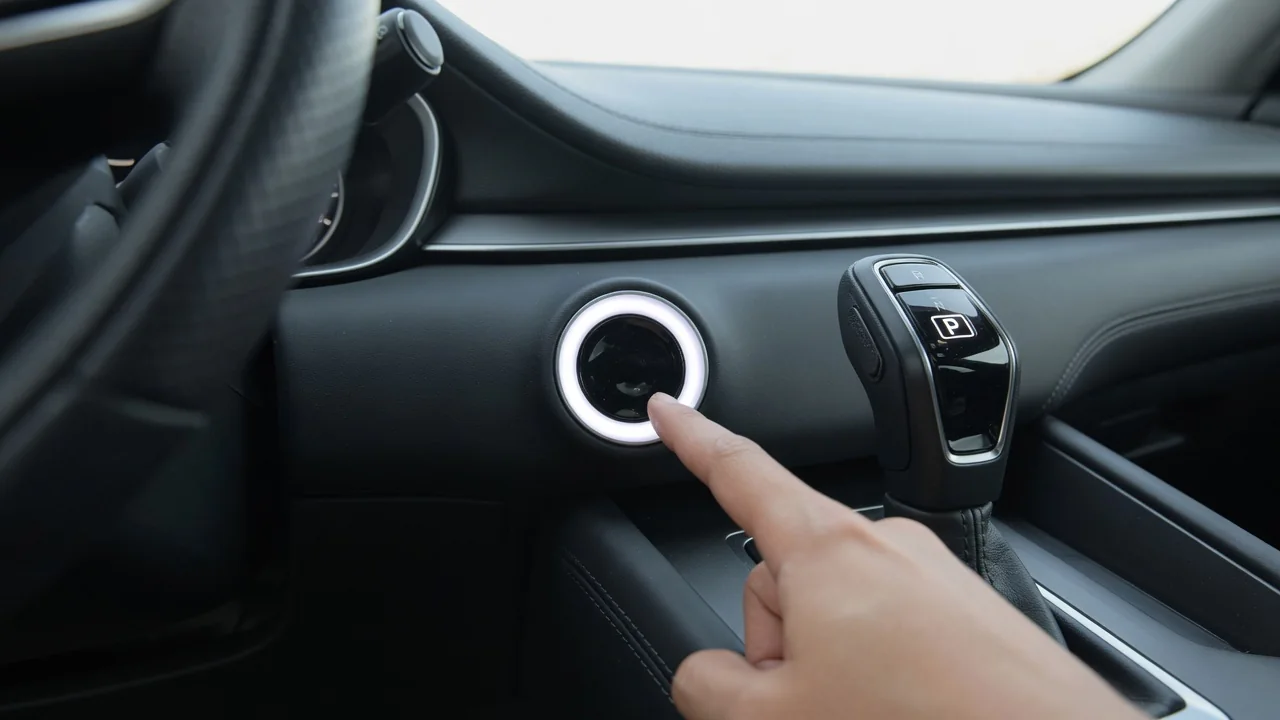
Knowing how to turn off a push-button start car seems simple until the button does something unexpected. Keyless ignition systems use the engine start stop button to cycle through power modes, and the right shutdown depends on transmission position, brake pedal use and the vehicle's design. To turn off a car with push button start correctly, you need to know the steps, read the dashboard prompts, and recognize when a problem needs professional attention.
The Normal Shutdown Steps for a Push Button Start Car
Most drivers follow the same basic sequence. Bring the vehicle to a complete stop, keep your foot on the brake pedal, and shift to Park. In a manual-transmission car, shift to neutral and set the parking brake instead. Then press the start/stop button once and release it. The exact sequence varies by make, model and year. Some vehicles require the brake to be held during shutdown and others do not, so the owner's manual is the authority for your specific vehicle.
After pressing the button, check that the car is actually off. The engine sound should stop, the gauges and most dash lights should go dark, and some instrument clusters show a brief off message. The button's own indicator light often changes color or goes out, which makes a useful cross-check. Before stepping out, set the parking brake firmly, especially on a slope, and take the key fob with you. A fob left inside makes it easier for someone else to start the car and can interfere with locking on some models.
Why the Car Won't Turn Off When You Press the Button
The most common reason a car won't turn off is the transmission. Many automatic vehicles won't fully shut down unless the selector is in Park, and a lever that isn't fully seated can leave the system thinking the car is still in gear. Electronic shifters with buttons or rotary dials add another variable, because a press that didn't register looks like nothing happened. If the button seems to do nothing, move the selector firmly into Park, check the gear indicator on the cluster, and then try again.
Dashboard messages explain much of this behavior, so read them before pressing again. A prompt to shift to Park, or a warning that the vehicle is not in Park, means the shutdown was blocked on purpose. Sometimes the car drops into accessory mode instead of turning fully off, which leaves the radio and screens powered. On some models a second press finishes the shutdown, and on others pressing the brake pedal changes the result. Don't keep jabbing the button or force the gear selector. Check the owner's manual for how your model behaves.
Accessory Mode, Ignition-On and Fully Off: Knowing the Difference
Push button systems usually have several power modes: off, accessory, ignition on, and engine running. Accessory mode powers items like the radio and charging ports. Ignition-on wakes the instrument cluster and most electrical systems without starting the engine. On many vehicles, pressing the button without pressing the brake pedal cycles through these modes instead of starting the engine. That is why one press may turn on the radio, a second lights up the whole dash, and a third returns the car to off.
You can usually tell which mode you're in from the instrument cluster, which may display ACC or ON, and from warning lights that come on in ignition-on but not in accessory. The button's indicator often changes color as well. Leaving the car in accessory or ignition-on mode keeps electronic modules awake and can drain the 12-volt battery, sometimes enough to prevent the next start. Some vehicles cut accessory power automatically after a set time or when a door opens, but this varies widely and should never be assumed.
Turning Off a Hybrid or Electric Car with a Start Button
Hybrids and electric vehicles often make no sound when they're ready to drive, so listening for an engine tells you nothing. A hybrid's gas engine may be stopped at a light even though the car can move instantly. Look instead for a Ready indicator, a green car symbol or a similar message in the cluster showing that the drive system is active. That light, not sound, is the clearest sign of whether the vehicle is on, and it's the indicator to watch when you shut down.
To turn the vehicle off, stop fully, confirm the transmission is in Park, then press the button and make sure the Ready light or its equivalent has gone out. Walking away while the car is still in a ready state is a real hazard, because the vehicle may be able to move if the selector gets bumped out of Park. Shutdown prompts, chimes and indicators differ widely between manufacturers, and some EVs are designed to power down when the driver leaves. Check the owner's manual for your vehicle's exact cues.
Emergency Engine Shutdown While Driving: What Drivers Should Know
Most push button vehicles are designed not to shut off from a single quick press while moving, so an accidental tap can't kill the engine at highway speed. For a genuine emergency, many manufacturers use a press-and-hold method or several rapid presses instead. The exact method differs between vehicles, so look it up in the owner's manual before you ever need it. It's far better to learn it calmly at home than to guess during a crisis, when stress makes details hard to remember.
Shutting the engine off while moving can reduce power steering and brake assist, so steering and braking take much more effort, though the brakes still work with firm pressure. That makes emergency engine shutdown a last resort for genuine emergencies only. Never test it while driving on public roads. If the vehicle accelerates on its own, most manuals advise braking firmly and steadily, shifting to neutral and steering to a safe stop first. Shut the engine off once you've stopped, or earlier only if your manual tells you to.
When the Start Button or Key Fob Isn't Working Properly
Signs of a keyless ignition problem include a start/stop button that doesn't respond, a key fob not detected message, or a car that stays on after you've done the normal steps. Stick to safe checks. Confirm the selector is fully in Park, read any dash messages carefully, and consider whether the fob battery might be weak. Many vehicles have a backup procedure, such as holding the fob near the button or against a marked spot, and the owner's manual explains the method for your car.
Symptoms alone can't pinpoint the cause. A car that won't shut off could have a problem with how the gear selector reports its position, the brake light switch, the keyless entry system or the wider electrical system. A stored fault code is evidence to interpret, not proof that a specific part has failed. If the vehicle won't shut off reliably, have it professionally diagnosed. Don't disconnect the battery or pull fuses as a workaround, because that can create new problems and leave the vehicle unsafe or unsecured.