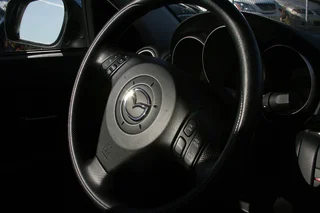
Steering Wheel Locked on a Push-to-Start Car: What It Means and How to Release It

The Short Answer
A locked steering wheel on a push-to-start car is usually the steering column lock doing its job. This is an anti-theft device that stops the wheel from turning when the vehicle is off. In most cases you can release it by pressing the brake pedal, then pressing the start button while turning the wheel gently left and right. That takes the pressure off the locking pin so it can retract. If the wheel stays locked and the car will not start, the usual causes are a weak key fob battery, a low vehicle battery, a gear selector that is not fully in Park, or a fault in the steering lock itself.
An important qualification: push-to-start vehicles do not all handle steering locking the same way. Some use an electrically operated steering column lock. Others have no column lock at all and rely on electronic immobilization instead. The correct procedure and the likely fault depend on the make, model, model year and market. Your owner's manual is the authoritative source for your specific vehicle.
What the Steering Lock Is
A steering column lock is a mechanical anti-theft device. With the vehicle off, a pin or bolt engages a slot in the steering shaft, which stops the wheel from turning more than a small amount. On older keyed ignitions, turning the physical key moved this pin directly. That is why drivers of those cars learned to jiggle the wheel while turning the key.
On push-to-start cars that keep a column lock, there is no key cylinder to move the pin. A small electric actuator, often called an electronic steering lock or electric steering column lock, engages and releases it. The vehicle releases the lock once it recognizes a valid key fob and the start conditions are met. The physical principle is unchanged, though. If the wheel is pressing hard against the locking pin, the actuator may not have enough force to pull it free.
How It Differs from a Keyed Ignition
Aspect | Keyed ignition | Push-to-start with electronic steering lock; What releases the lock | Turning the physical key moves the pin mechanically | An electric actuator, authorized by the key fob and vehicle electronics; Common cause of binding | Wheel tension pressing on the pin | Wheel tension, plus fob, battery or electrical conditions; Typical release method | Turn the key while wiggling the wheel | Press the brake and start button while wiggling the wheel; Failure modes | Worn key or ignition cylinder | Weak fob battery, low vehicle battery, actuator or module fault
Why the Wheel Locks When You Did Nothing Wrong
The lock often binds because of how the car was parked. If the wheel was turned, or someone leaned on it after shutting the car off, the wheel can rotate slightly until the pin seats under tension. Parking with the front wheels against a curb or on a slope adds load to the steering, which presses the shaft harder against the pin. None of this means anything is broken. It only means the pin is under load.
Steps to Release a Locked Steering Wheel
1) Confirm the gear selector is fully in Park (or in Neutral where the manual specifies it). Many vehicles will not start, or will not release the lock, unless this condition is met. 2) Press and hold the brake pedal firmly. Most push-to-start vehicles require this before they will start the engine. 3) Turn the steering wheel gently in one direction, then the other, to find the side with a little free play. Hold light pressure toward that side. 4) While holding that light pressure, press the start button. The pin should retract and the engine should start. 5) Do not force the wheel hard. Heavy force can increase the load on the pin and may damage the lock or actuator.
If the Car Still Won't Start or Release
When the wheel stays locked and the engine will not crank, the vehicle may not be recognizing the key fob or may not have enough electrical power to run the steering lock actuator. Check the following:
Weak key fob battery: Many vehicles have a backup method for starting with a weak fob. This may involve holding the fob against the start button or placing it in a designated spot, depending on the model. Your owner's manual describes the exact location and procedure. Low vehicle battery: Dim interior lights, a weak or absent chime, or warning messages can point to a low 12-volt battery. The steering lock actuator and the start system both need adequate voltage. Dashboard messages: Some vehicles display a specific steering lock or key-not-detected warning. Note the exact wording, because it helps identify the fault. Spare fob: If a spare fob works, the original fob or its battery is the likely problem.
When It May Be a Fault
Some steering locks won't release even with a working fob, a healthy battery and the correct procedure. A steering-lock warning that keeps coming back is another sign of the same problem. In either case, the actuator, the lock assembly or a related control module may be at fault. Some manufacturers have issued recalls or service bulletins for steering lock problems on particular models, but whether one applies depends entirely on your specific vehicle and model year. No model-specific recall, repair cost or failure-rate information was available for this article. A dealer or qualified technician can check your vehicle identification number for open recalls and diagnose the system.
What This Guide Does Not Cover
No model-specific specifications, repair prices, recall numbers or test findings were available for this guide. Everything above reflects general principles of how steering column locks and push-to-start systems work. Procedures, backup fob locations and warning messages vary by manufacturer, model year and trim. Use your owner's manual as the definitive reference for your vehicle.