How to Seat a Tire Bead With Starting Fluid or Fire
Seating a tire bead means forcing the tire’s inner edge outward until it locks against the rim flange and holds air. When a tire is newly mounted or knocked off the wheel, a normal compressor may not deliver the sudden airflow needed to pop the casing into place. Some people resort to flammable aerosols as a source of rapid expanding gas, but the method is extremely hazardous. This article explains what the technique involves, why it can appear tempting, and how to approach the task with safer alternatives.
Direct answer
You can seat a tire bead with starting fluid or another flammable spray by igniting a small amount inside the tire, but this should not be considered a normal repair procedure. The expanding combustion gases push the tire’s sidewall outward and force the bead onto the rim. The method is especially risky because it creates an uncontrolled burst of pressure and flame. A safer alternative is a bead blaster tank or a high-volume air chuck with the valve core removed to allow unrestricted airflow.
Using WD-40 as a seating aid is different from using it as fuel. WD-40 can act as a temporary lubricant to help the rubber slide over the rim, but it is not a reliable expanding gas. Brake cleaner, starting fluid, and similar aerosols are often tried with fire, but they produce inconsistent pressure and can leave residue inside the tire. The only consistently safe way to seat a bead is with clean, dry compressed air delivered rapidly enough to overcome the gap between the tire and the wheel.
How to proceed
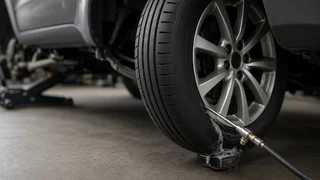
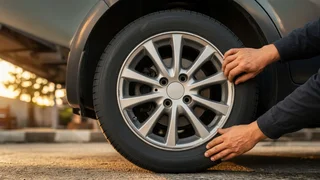
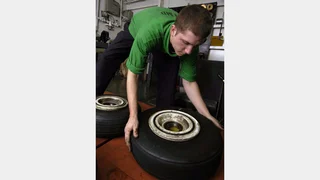
First, remove the valve core to allow maximum airflow into the tire. Lay the wheel flat on a stable surface and check that the tire is centered on the rim. If the bead is close to seating, you may be able to use a ratchet strap around the tread or bounce the tire to close the gap. Connect a high-volume air hose to the valve stem. As you fill the tire, listen for the distinctive pop that indicates the bead has seated against the rim flange. If air is leaking rapidly around the bead, a small amount of tire lubricant or soapy water may help the rubber slide.
When the bead does not seat, stop before resorting to fire. A bead blaster tank provides a stored volume of air that can be released suddenly into the gap, creating the blast needed without flames. After both beads seat, install the valve core and inflate the tire to the vehicle manufacturer’s recommended pressure, then check for leaks with soapy water. If the tire has been exposed to brake cleaner, starting fluid, or other chemicals, remove it from the rim and inspect the interior for contamination or softening of the rubber before returning it to service.