How to Remove Tree Sap from Car Paint
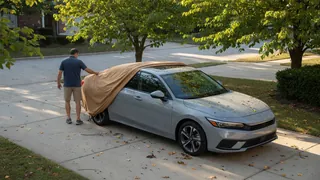
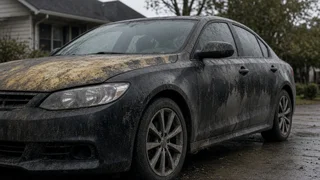
Tree sap dripping onto a clearcoated or single-stage finish creates a stubborn contamination problem. Fresh deposits look like harmless water spots, but resin hardens as it bakes in the sun, bonds to the clearcoat, and can etch the substrate material beneath. The correct car paint tree sap removal method depends on whether the droplet is still tacky, fully cured, or layered with embedded debris. Pine tree sap removal from car paint often demands extra solvent dwell time because conifer resin is stickier and more tenacious. Working in the shade and choosing the least aggressive effective product protects coating compatibility while lifting the contaminant.
Direct answer
The essential answer is to soften the resin first, then lift it without scrubbing abrasive soil across the panel. A dedicated sap remover, isopropyl alcohol, or a paint-safe solvent can dissolve the bond between the droplet and the clearcoat. Once the deposit becomes gummy, a clean microfiber towel should pull it away with light pressure. Washing the area before treatment removes grit that could cause scratches, while a follow-up paint cleanser or polish addresses any remaining haze. Acting early is important because prolonged resin contact can leave a cloudy etch even after the visible sap is gone.
Condition matters more than the solvent choice. A fresh, tacky droplet may lift with warm soapy water and patience, while a hardened, amber-colored deposit needs several minutes of controlled solvent contact to rehydrate. Tree sap removal from car paint is safest when the panel is cool and the product cannot flash-dry. Rubbing too early only spreads a sticky film across the surrounding finish and increases the need for polishing. In every case, the goal is to break the contaminant layer while preserving the coating compatibility of the underlying paint system and any wax or ceramic protection.
How to proceed
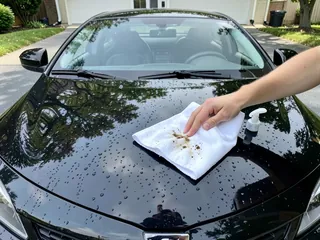
Begin by parking in a shaded area and rinsing the panel with clean water. Wash the affected surface with automotive shampoo to remove road film, dust, and loose particles that could mar the finish during solvent application. Dry the area with a soft microfiber towel, then inspect the sap by touch. If the droplet is still pliable, fold a microfiber cloth dampened with warm water around a fingertip and roll the edge against the deposit, lifting rather than wiping across the paint. For harder droplets, apply isopropyl alcohol or a dedicated resin remover to a towel and hold it over the contamination for about a minute so the solvent can penetrate the hardened shell.
After the sap softens, use a clean section of towel and gentle back-and-forth pressure to dissolve the residue, adding more product instead of increasing force. Follow with a pH-neutral wash to remove solvent traces, then assess the area under direct light. A light polishing compound on a foam applicator can correct faint cloudiness, but stop if the clearcoat feels rough or the defect disappears. Avoid razor scraping and aggressive clay use on dry resin because they introduce new marring. When pine tree sap removal from car paint reveals deep etching or discoloration that polishing does not improve, the affected panel may need professional paint correction or recoating.