How to Estimate a Used Car’s Value
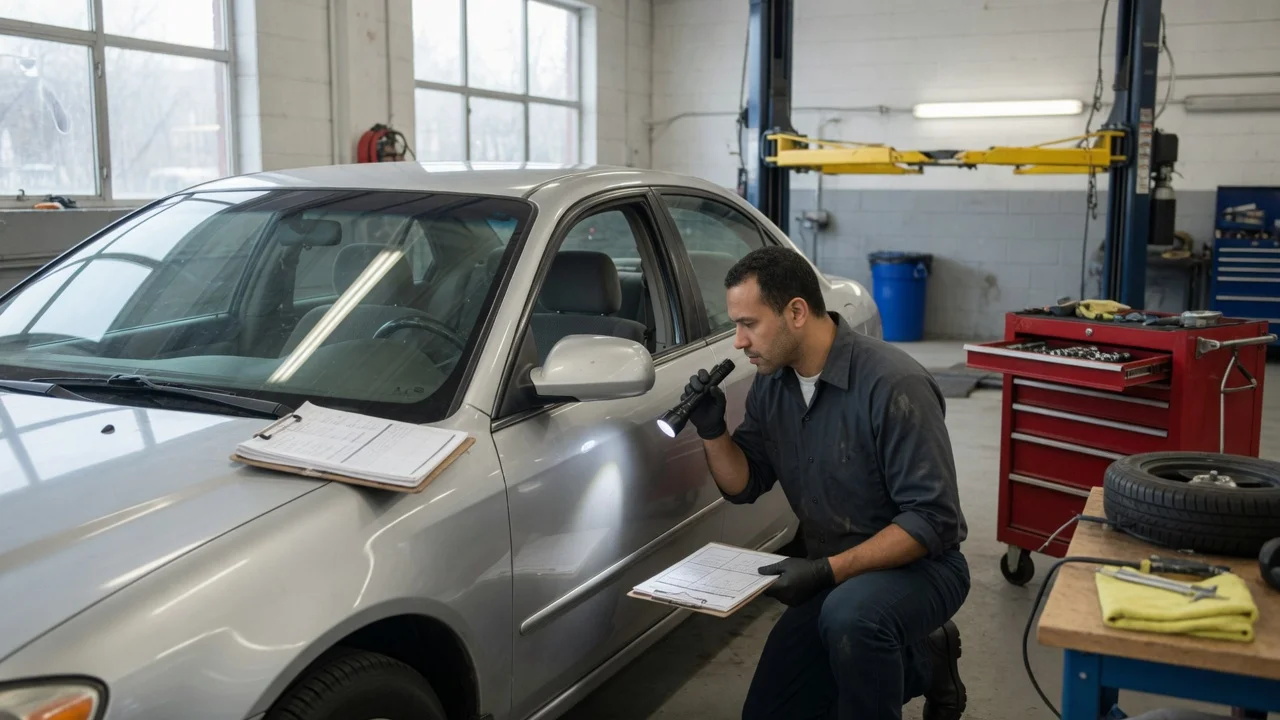
A used car’s value is an estimate of what that specific vehicle would likely sell for in the current market, given its year, make, model, trim, mileage, equipment, condition, history and location. Published guides such as Kelley Blue Book (KBB) turn those details into typical price ranges for different kinds of deals: trade-in to a dealer, a private-party sale, and buying from a retailer. The result is a market snapshot used as a starting point for negotiation; the actual price still depends on demand, the car’s real condition and the type of sale.
What determines a used car’s value
Valuation tools compare your vehicle with recent transactions and listings for similar cars. Small differences in specification or condition can move the range by a wide margin, so the estimate is only as accurate as the description you enter.
Year, make, model and trim, including engine, transmission and drivetrain. Current odometer reading, which is judged against typical mileage for that age. Factory options and packages that buyers still pay for, such as four-wheel drive, a preferred cab or bed configuration, or a higher trim’s safety and infotainment equipment. Condition of the body, paint, interior, tires, brakes and mechanical systems, plus any unrepaired damage. Vehicle history: accidents, flood or salvage branding, lemon or manufacturer buyback status, service records and whether the odometer reading is consistent. Where the car will be sold. Local supply, climate, fuel prices and seasonal demand change what buyers will pay. How the sale will happen. A dealer trade-in is typically the lowest figure because the dealer must recondition and resell the car. A private-party price sits higher. A retail asking price assumes a dealer has already inspected, reconditioned and warranted the vehicle.
Condition is the easiest place to overstate the car. A realistic rating assumes normal wear for the mileage, a clean title, no unresolved warning lights and no structural or flood damage. Needed repairs, worn tires, a weak battery, cosmetic damage and missing service history all pull the figure down. Unusual or poorly installed aftermarket parts often add little and can reduce value if they limit the buyer pool.
How Kelley Blue Book and similar guides work
Kelley Blue Book is a long-standing U.S. used-vehicle valuation service. You typically identify the vehicle, enter mileage and ZIP or region, select equipment and choose a condition band. The guide then reports typical values for trade-in, private party and retail-style transactions. Other published guides exist, and they can disagree because they weigh different sales data and update on different schedules.
Use the value that matches the deal you actually face. If you are selling to a dealer or trading in, read the trade-in range. If you are selling to another person, read the private-party range. If you are buying from a dealership, compare the asking price with the guide’s retail or typical-listing figure for that condition and mileage. A single “KBB value” without that context is incomplete.
Guide numbers are averages and ranges, not appraisals of your exact car and not binding offers. They can lag a fast-moving market, and they may fit poorly for rare trims, heavily modified vehicles, commercial or fleet history, salvage or rebuilt titles, and collector or classic cars that trade on rarity and originality rather than on ordinary used-car scales.
Using the VIN to pin down the car
The vehicle identification number (VIN) is a 17-character code assigned to that specific car. Decoding it confirms year, make, model, plant and a unique serial sequence, and it often reveals engine, restraint systems and original equipment. Entering the VIN in a valuation or history tool reduces guesswork about trim and packages, which is especially useful when the window sticker is gone or the seller’s description is vague.
The VIN identifies the vehicle; it does not by itself produce a sale price. Mileage, condition, accident and title history, service, and local demand still have to be added. Pair a VIN decode with a vehicle-history report when you can, so branded titles, total-loss records, odometer discrepancies and prior use (personal, rental, fleet) are not missed. If the VIN on the dash, door jamb and paperwork do not match, stop and resolve that before trusting any value.
How to build a reliable estimate
Work from the specific car in front of you, then check that description against both a published guide and similar local listings. The goal is a range tied to a transaction type, not a single official number.
Identify the vehicle exactly: year, make, model, trim, engine, drivetrain and major factory options. Use the VIN when it is available and verify that it matches the car. Record the current mileage from the odometer. Rate condition honestly: exterior, interior, tires, brakes, lights, leaks, warning lamps and evidence of prior repairs. Note work that a buyer will have to fund immediately. Check title status and history, including salvage, flood, rebuilt, lemon or buyback brands, accident records and whether the mileage trend is consistent. Legal title rules and disclosure duties vary by jurisdiction; treat a branded title as a material change to value. Enter those facts into a valuation guide such as Kelley Blue Book, choosing the condition band and the transaction type that match your situation. Compare the guide range with several recent local listings or sales of the same generation, trim and mileage band, adjusting for options and condition. Narrow to a range. Subtract likely reconditioning costs from a seller’s figure, and add a margin for inspection findings if you are the buyer.
You have a usable estimate when you can state a low-to-high range, the sale type it applies to (trade-in, private party or retail), and the facts that would move it: unrepaired damage, a branded title, much higher or lower mileage than you assumed, or a market that is clearly hotter or slower than the guide. A pre-purchase inspection by a qualified technician is the right next step before you rely on the number to complete a purchase, because hidden mechanical or structural problems are outside what a paper value can see.
Limits you should expect
No public guide can quote a live, binding price for a specific VIN on a given day. Figures change as wholesale and retail markets move, and they are typically built around U.S. passenger vehicles in ordinary retail use. This article cannot supply a dollar value for your car; that requires current guide data plus the vehicle’s actual condition and history. Taxes, fees, warranty products and registration costs sit on top of the vehicle price and are set by the seller and by the jurisdiction where the car is titled. If the car is rare, modified, flood-damaged, rebuilt, or old enough to trade as a collector piece, treat standard used-car values as a rough reference only and seek a specialist appraisal.