How to Estimate a Used Car’s Value Before Negotiating
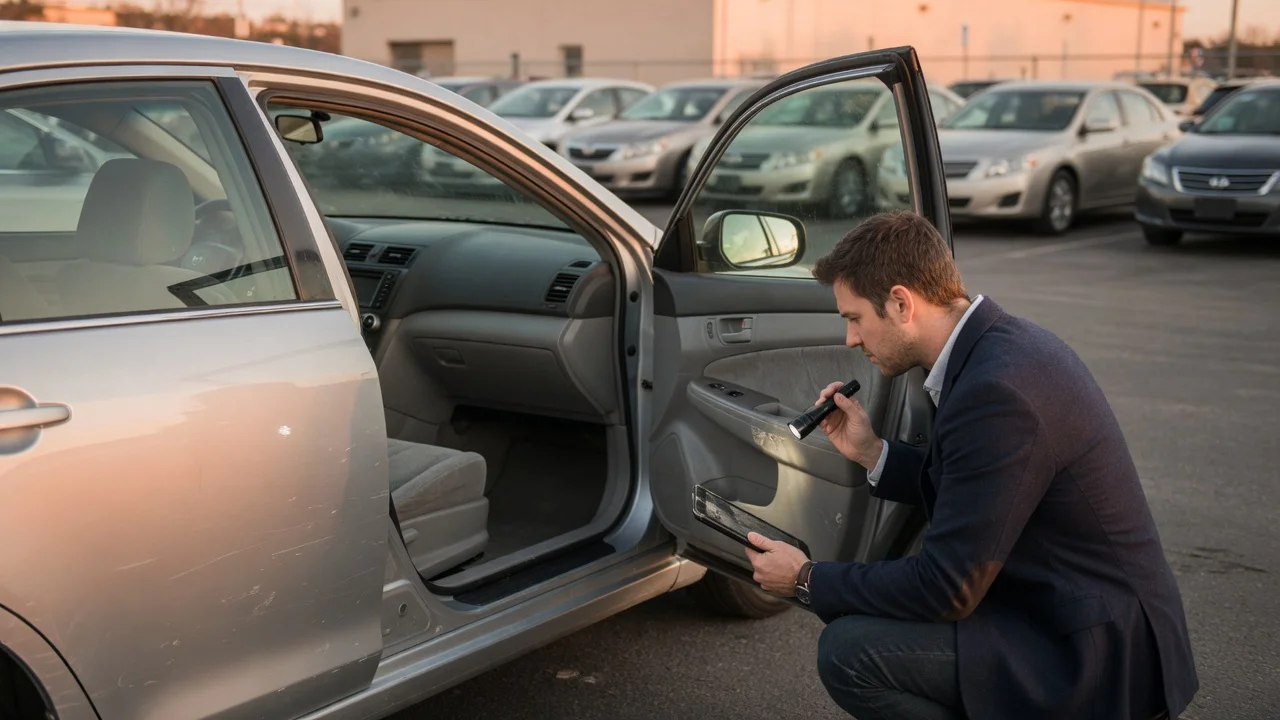
What a used car is worth
A used car’s value is the price that similar vehicles actually sell for in your market, adjusted for that car’s year, mileage, trim, options, condition and history. It is a range, not an official sticker. Asking prices, advertised “values” and a seller’s target are starting points only.
The same vehicle usually has three different figures because each sale type prices a different mix of risk, reconditioning and profit. Trade-in is typically the lowest: a dealer must inspect, repair, hold and resell the car. Private-party value sits in the middle: the buyer takes on more risk and the seller avoids dealer overhead. Dealer retail is typically the highest: it includes warranty offerings, reconditioning, lot costs and margin. Estimate against the transaction you are actually in. Using a retail guide number in a trade-in talk, or a trade-in number in a private sale, will mis-set the negotiation.
Published value guides and appraisal tools are useful anchors. They are not the market. Local supply, season, fuel prices, interest rates and how quickly that model sells can push real prices above or below the guide. Your working number is the overlap between a reputable guide range and recent comparable sales of the same generation, powertrain and trim nearby.
What changes the estimate
Identify the exact car before you price it. Year, make, model, trim, engine, drivetrain, transmission and factory options can separate two listings that look alike. Mileage is judged against what is typical for the age, not against a universal cutoff. Condition covers body, paint, interior, tires, brakes, glass and whether maintenance is documented. Title and history matter as much as cosmetics: accident damage, structural repair, salvage or rebuilt brands, flood or salvage titles, odometer issues and unresolved safety recalls all reduce what a careful buyer will pay, sometimes sharply. Demand for that model in your region can outweigh a modest mileage or age difference. Applicability of any one factor depends on the specific vehicle and market; if those details are unknown, treat the estimate as a wide band, not a point price.
How to build the number before you talk price
Start with a full identification: VIN if you have it, then year, trim, powertrain, options and true mileage. Decide which sale type you are pricing for—trade-in, private party or dealer retail—and collect figures only in that column. Pull a current guide value for that configuration and sale type, then gather recent listings and, where available, completed sales of close matches in the same region. Ignore asking prices that sit far above every comparable unless the car has documented extras the others lack.
Adjust the midpoint of those comparables for this car’s condition and history. Clean, complete service records, recent tires or brakes, and a two-owner history with no accidents support the upper end of the range. Incomplete records, overdue maintenance, worn consumables, accident repair, paintwork, warning lights or a branded title pull the figure down. If a vehicle history report or a pre-purchase inspection is not available, widen the range and assume the buyer will discount for unknown risk. Do not average in prices from a different market, a different generation or a different powertrain; those are not comparables.
Turn the result into a negotiation band: a walk-away ceiling if you are buying, or a walk-away floor if you are selling, plus a realistic target inside that band. Bring the VIN-based guide printout or saved comparable listings to the conversation so the number is documented. A professional inspection by an independent technician is the right next step when the price is large relative to your budget, the history is thin, or anything in the listing conflicts with what you see on the car. Valuation itself does not require a workshop procedure; mechanical defects found on inspection should be priced from repair estimates, not guessed.
Limits of the estimate
No guide or listing search can certify what this specific car will sell for on a given day. Retail asking prices overstate completed deals. Wholesale and auction results understate what a retail buyer pays. Legal title, disclosure and consumer-protection rules vary by jurisdiction and are not a substitute for a market check; confirm local requirements where a branded title or accident history is involved. This article cannot assign a dollar value without the vehicle’s identity, condition, location and sale type. If those inputs are missing, stop at a wide range and gather them before you negotiate.