How to Enlarge a Wheel Center Bore

Enlarging a wheel center bore changes the size of the hole in the middle of a wheel so it fits a larger hub pilot. This is usually done to adapt wheels from one vehicle to another, but it must be considered carefully because the center bore helps center the wheel and carry load. The process involves machining metal, not simply filing or sanding, and it can affect structural integrity. Before beginning, confirm that the wheel is otherwise compatible with the vehicle’s bolt pattern, offset, and load rating. If the bore is too small, the wheel will not seat flat against the mounting surface. If it is too large after machining, the wheel may rely only on the lug nuts for location, which can cause vibration and stress. Always measure both the wheel and the hub before any work.
Direct answer
The essential answer is that enlarging a wheel center bore requires precise machining with a lathe or a purpose-built CNC mill, not hand tools, to keep the new hole concentric with the existing bore. The most common reason is installing wheels with a smaller hub bore onto a vehicle with a larger hub pilot. Some wheels are intentionally made with a small bore and then opened up to a specific application. This is an acceptable practice when done by a qualified machine shop, but it must preserve enough material around the hub area for strength. A wheel that is bored too large or off-center cannot be safely corrected by adding material later.
A hub-centric fit means the center bore matches the hub closely and supports the wheel’s weight, while the fasteners mainly clamp it. A lug-centric fit uses the lug nuts or bolts to center the wheel. When you enlarge a bore, you may be changing a wheel from one fit philosophy to the other. Hub pilot contact reduces the chance of radial runout and vibration. If the enlarged bore is larger than the hub, the wheel becomes lug-centric and should be used with proper conical or spherical lug seats. The fit tolerance between the finished bore and the hub matters because an overly tight bore can bind, and an overly loose bore offers no centering benefit.
How to proceed
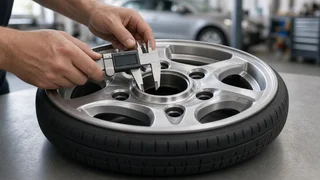
Start by measuring the vehicle hub’s outer diameter with a caliper or micrometer, taking the reading at the clean, unworn step where the wheel centers. Measure the wheel’s existing bore at the back of the wheel, not at a cosmetic lip. The difference tells you how much material must be removed. Also check the unused area behind the wheel bore to be sure there is enough flat metal for the larger cut. Mark the wheel, the vehicle, and the intended bore size clearly before transporting it. Then take the wheel to a shop that can fixture it from the existing bore or the lug holes and cut it concentric to the wheel’s rotational axis.
The shop should set the wheel up in a lathe or CNC fixture so the new bore is centered relative to the bolt circle, not just the old bore, because the old bore may already be worn or slightly off. They will remove material in small passes and often leave a slight clearance over the measured hub, roughly the same type of fit tolerance used by original wheels. After machining, remove any burrs, clean the mounting surface, and test-fit the wheel on the hub without a tire. Use a dial indicator on the rim flange to check radial and lateral runout after mounting. If the wheel rocks on the mounting surface or shows excessive runout, stop and have the bore inspected before driving.