How to Clean Car Emblems and Trim Crevices
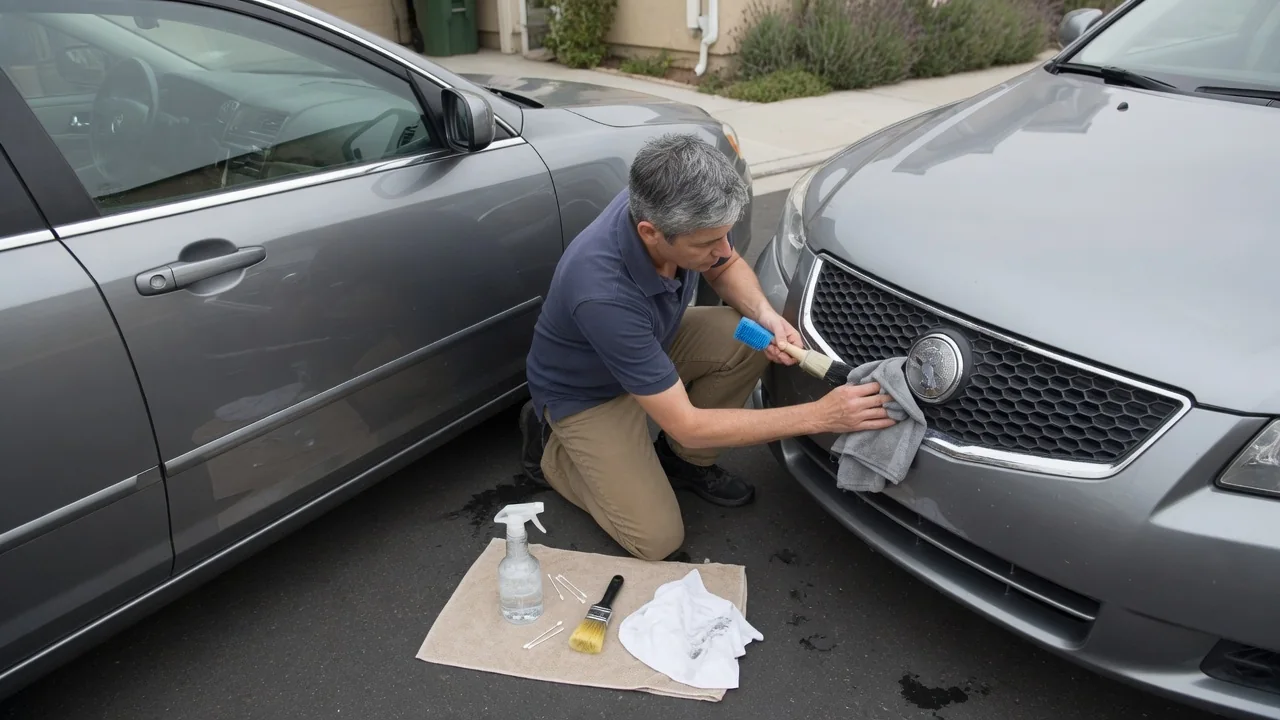
Badges, lettering and trim seams collect the dirt a wash mitt slides right past. Learning how to clean car emblems and trim crevices comes down to patience rather than force: soften the grime, lift it with soft tools, flush it away and dry the area fully. The approach below is gentle enough for regular washes and suits most exterior details, from grille badges to window moldings.
Loosen dirt
The grime packed around an emblem is usually a mix of road film, dust, dried wax residue and sometimes green or black organic growth where water sits. Scrubbing it dry drags grit across paint and plated plastic, so the first job is softening it. Rinse the area with a gentle stream of water, then apply diluted car wash shampoo or a pH-neutral detailing cleaner and let it dwell for a minute or two without allowing it to dry on the surface.
Work in the shade on cool panels, because heat flashes cleaner off before it can break the bond between dirt and surface. You should see the residue darken and begin to run out of the gaps between letters as it softens. White, chalky lines around a badge are often old wax or polish and may need a second application. Vehicles differ here: some emblems sit flush, while others stand off the panel and hide a deeper pocket of debris behind them.
Soft tools
A soft detailing brush with natural or fine synthetic bristles does most of the work. Choose one with a plastic or rubber-wrapped ferrule so a slip does not put metal against paint. Dip it in soapy water and use light, short strokes and a gentle swirling motion around each letter, letting the bristle tips reach into the corners. For narrow seams along window trim or body moldings, a foam swab or a microfiber towel wrapped over a fingertip follows the channel well.
What you leave in the drawer matters just as much. Stiff toothbrushes, picks, metal tools and abrasive pads can scratch clear coat, haze piano-black trim and wear the thin bright finish on chrome-look plastic badges. Textured unpainted trim, common on bumpers and wheel arches, tolerates a slightly firmer brush than glossy surfaces, but it still benefits from light pressure. Rinse the brush frequently in a clean bucket so the grit it has collected is not carried back into the next crevice.
Rinse and dry
Loosened dirt has to leave the crevice, or it simply settles back in as a gray line once the water evaporates. Rinse from the top of the emblem downward with a low-pressure flow, watching until the runoff is clear and free of suds. Keep a pressure washer nozzle well back and avoid aiming directly at badge edges, since emblems are generally held by adhesive or small clips and a concentrated jet can force water behind them or lift a corner.
Drying deserves the same attention because trapped water drips out later and leaves streaks or mineral spots down the panel. Blot with a clean, plush microfiber towel rather than wiping hard across raised lettering, which can snag fibers. A small blower or gentle compressed air pushes water out from behind letters and out of trim seams where a towel cannot reach. Check mirror bases, door handles and tailgate badges a few minutes afterward, as those spots tend to release water late.
Everyday Use and Observations
In regular use, the areas that load up fastest are the ones facing the airflow or sitting in a water path. Front grille badges catch insects and road spray, rear emblems collect the dusty film that swirls behind the vehicle, and trim along the base of the windows gathers pollen and leaf fragments. Giving these spots a quick brush pass during each routine wash keeps buildup soft, so it never hardens into something that tempts aggressive scrubbing.
Pay attention to what the details tell you while you clean them. Dark streaks running down from a badge after rain suggest dirt is still lodged behind it. A dull or cloudy emblem that does not brighten with washing may have a weathered coating rather than dirt. Climate and storage change the picture too: cars parked under trees see more organic debris, while those driven on salted winter roads show white crusty deposits in seams that need thorough flushing.
Limits and Next Steps
Gentle cleaning removes dirt, not damage. Peeling chrome-effect plating, pitting, faded plastic trim and cracked lettering will look the same after washing, and working harder on them usually makes things worse. Likewise, an emblem that rocks under the brush or shows a lifted edge should be left alone rather than pressed or pried, since the adhesive may be failing. Stains that survive a second mild wash may call for a product made for that specific material.
Before trying anything stronger, check the owner's manual and the product label, because finishes vary widely between vehicles and even between trim levels. Matte paint, vinyl wraps, satin trim and aftermarket coatings can react badly to cleaners that are safe on ordinary gloss clear coat. Testing in an inconspicuous spot is a sensible habit. If a badge is loose, heavily deteriorated or surrounded by paint damage, a professional detailer or body shop can advise on whether refinishing or replacement makes more sense.