How to Choose Affordable Replacement Tires
What an affordable replacement tire really means
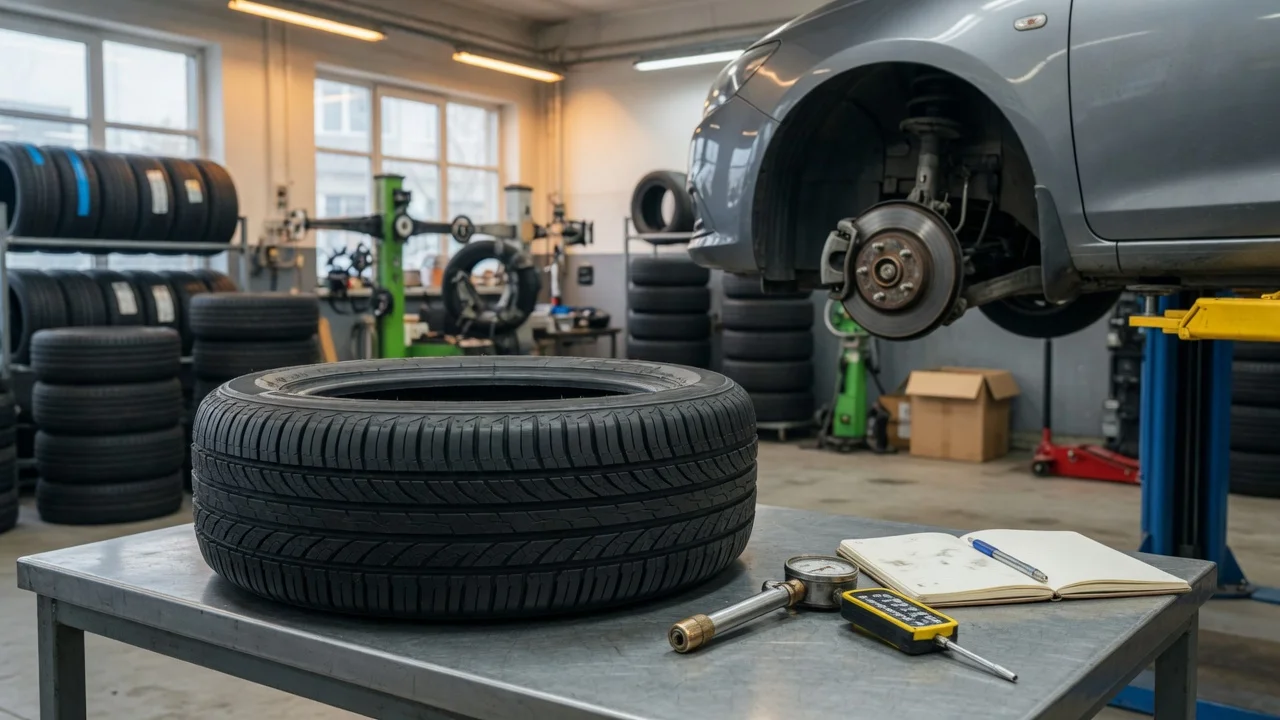
An affordable replacement tire is one that meets your vehicle's required size, load rating, and speed rating while fitting your total ownership budget. Price is only part of the cost. Mounting, balancing, valve stems, disposal fees, and possible alignment also affect what you pay. A budget tire can be a sound choice when it matches the conditions you actually drive in, but it is not the same as simply buying the cheapest tire available.
Start with the tire specifications your vehicle requires
Check the tire information placard, usually found on the driver's door jamb, door edge, or inside the fuel filler door. The placard lists the original tire size and recommended inflation pressure. Owner's manuals also provide this information for the applicable model year and market.
A tire size such as 205/55R16 combines section width in millimeters, aspect ratio, and wheel diameter in inches. Keep the required diameter and wheel compatibility in mind. Replacing a tire with a different size can affect speedometer accuracy, clearance, handling, and driver assistance systems, so use the manufacturer-recommended size unless a qualified installer confirms an appropriate alternative.
Load index and speed rating also matter. The load index expresses the maximum load each tire can carry at its specified inflation. The speed rating letter indicates the maximum sustained speed for which the tire is approved. A budget tire should meet or exceed the load and speed requirements specified for your vehicle.
Match the tire to your real driving conditions
Your intended use determines which budget tire offers the best value. A driver who mostly travels short urban routes in a mild climate has different needs from someone who drives in snow, heavy rain, or high heat.
All-season tires are a common replacement choice for drivers who face mild winters and want year-round convenience. Touring all-season tires often emphasize ride comfort, lower noise, and longer tread life. Performance-oriented all-season tires may trade some tread life for sharper dry and wet handling. Winter tires become the appropriate choice where temperatures stay low, ice is frequent, or snow is expected.
If winter conditions are severe enough to require dedicated winter tires, the lowest-priced all-season option is not an equivalent substitute. In that case, compare affordable winter tires rather than choosing an all-season tire that cannot handle the conditions safely.
Compare tires on total cost, not just the advertised price
Use shared criteria when comparing budget tires: price per tire, expected tread life, wet and dry traction, ride comfort, noise, load index, speed rating, and warranty coverage where available. A cheaper tire that wears out much sooner may cost more per mile than a slightly more expensive tire with longer tread life.
Comparison factor|What to check; Tire size|Must match the vehicle placard or an approved alternative; Load index and speed rating|Must meet or exceed vehicle requirements; Treadwear warranty|Where offered, helps compare expected useful life; Weather capability|All-season, touring, performance, or winter as conditions require; Ride and noise|May affect daily comfort on rough roads; Installed price|Includes mounting, balancing, valves, and disposal
Ask for the installed price rather than the tire-only price. Two sellers may list the same tire at similar prices but charge different amounts for installation and related services. Confirm whether the quote includes mounting, balancing, new valve stems, and disposal of the old tires.
What to avoid when choosing a cheap tire
Avoid selecting a tire only because it has the lowest upfront price. A replacement tire must still support the vehicle's weight and performance requirements. Undersized, overloaded, or speed-rated-incorrect tires can compromise control, braking, and durability.
Be cautious with very old or closeout tires. Tires age even when unused, and age-related degradation is influenced by storage, heat, and exposure. Check the tire sidewall date code and ask about the tire's age if the price seems unusually low. This is especially relevant for a budget purchase where older inventory may be offered at a discount.
Steps to select and buy a budget replacement tire
Read the tire placard and note the required size, load index, and speed rating. Define your main conditions: climate, road type, highway use, and typical load. Choose the tire category that fits those conditions, such as touring all-season or winter. Compare installed prices for tires that meet the same requirements. Ask about treadwear warranty, tire age, and whether the installed price includes all services. Confirm that the tires are inflated and torqued to the vehicle specifications when installed.
After installation, check that tire pressures match the placard and that the vehicle tracks straight without vibration. If the pull, vibration, or noise persists, return to the installer for inspection rather than waiting to see whether the problem disappears.
Where this guidance has limits
Exact tire options, current prices, regional availability, and warranty terms change by market and retailer. This guide does not recommend a specific tire brand or model because the appropriate choice depends on vehicle requirements and local conditions. For fitment changes, run-flat applications, high-performance vehicles, or vehicles with complex driver assistance systems, follow the vehicle manufacturer's guidance and consult a qualified tire service.