How to Check a Tire's Age From Its Sidewall
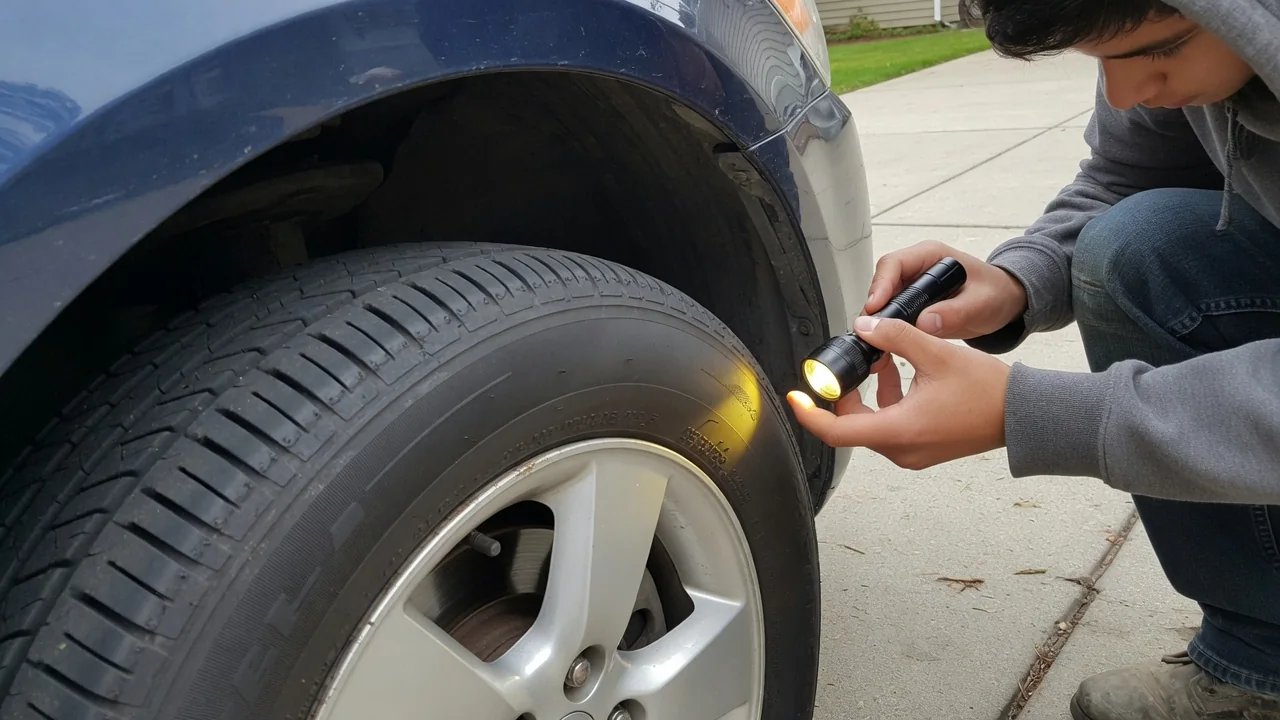
Every tire carries its own birth record molded into the rubber, and learning how to check a tire's age from its sidewall takes only a minute and a flashlight. The date code tells you when the tire was built, not when it must be replaced, so it works best alongside a careful look at condition and the guidance published for your vehicle and tires.
Find code
Start by looking for the letters DOT on the sidewall, usually molded in small raised characters near the rim. Following those letters is the Tire Identification Number, a string of letters and digits that identifies the plant, the size and the build date. The characters are the same color as the rubber around them, so a flashlight held at a low angle makes them easier to pick out. Wiping away road film and brake dust with a damp rag helps too.
On many tires the complete number appears on only one sidewall, while the opposite side shows a shortened version without the date. If the string you find seems to end early, the full code is probably facing inward toward the suspension. Turning the front wheels to full lock often exposes the inner sidewall of the front tires, and a phone camera can reach behind the rears. The spare deserves the same check, whether it sits in the trunk well or under the vehicle.
Read week/year
On tires made since 2000, the date is the last four digits of the identification number, often set apart in a small oval or framed panel. The first two digits give the week of manufacture and the last two give the year. A code ending in 2321, for example, points to the twenty-third week of 2021, which falls in early June. A code ending in 0119 means the first week of January 2019. No letters belong in this final group, only numbers.
A date group with only three digits indicates a tire built before 2000, when a single digit stood for the year, which makes such a tire decades old by now. It is also normal for the four tires on one vehicle to show different weeks, since they may come from separate production batches or have been replaced at different times. Note each code individually instead of assuming a matching set, and remember that the build date can be many months earlier than the purchase date.
Inspect condition
The date code is only half of the picture, because rubber ages at different rates depending on how it has lived. While you are crouched at the sidewall, look for fine cracks in the surface, sometimes called weather checking, especially where the sidewall flexes and in the grooves between tread blocks. Bulges, blisters or areas that look distorted suggest internal damage and deserve prompt professional attention, whatever the manufacture date says. Rubber that looks faded, dry or chalky is another sign of aging.
Tread depth and wear pattern matter just as much as age. Most tires have wear bars molded across the grooves, and tread worn level with those bars is finished no matter how recent the date code. Uneven wear across the tread face can point to inflation or alignment issues worth correcting before new tires go on. Run a hand lightly over the tread to feel for feathered edges or cupping, and check the valve stems for cracking, since they age along with the tire.
Everyday Use and Observations
Knowing how to read the code pays off in ordinary situations. When shopping for a used car, the date codes show whether the tires are original, recently replaced or a mix of ages, which is useful information for negotiating and budgeting. When buying new tires, a quick glance confirms how long they sat in inventory before installation. Trailers, motorhomes, classic cars and seasonal vehicles are especially worth checking, because their tires often keep plenty of tread while growing old from sitting unused.
Storage and climate shape how a given age shows up in the rubber. A vehicle parked outside in strong sun and heat tends to show sidewall cracking sooner than one kept in a cool garage, and a tire that has run underinflated or sat for long periods in one position can deteriorate faster as well. Spare tires are easy to forget, yet they age without ever touching the road. Making the date check part of routine pressure checks keeps all of this in view.
Limits and Next Steps
A date code has clear limits. It records when the tire was manufactured, but it says nothing about how the tire was stored, loaded, inflated or repaired, and it cannot reveal internal damage from potholes or curb strikes. There is also no single age at which every tire must be retired. Vehicle makers and tire makers publish their own guidance, and those recommendations differ, so the owner's manual and the tire manufacturer's information are the right references for your specific vehicle.
Once you have the dates written down, combine them with what you saw during the inspection. Tires that are older, show cracking, or have unknown history are good candidates for an evaluation by a tire professional, who can examine the inner liner and bead areas that are hidden while the tire is mounted. If the code is unreadable or missing, mention that as well. Keeping a simple record of each tire's build date makes future decisions easier and avoids guesswork when replacement time approaches.