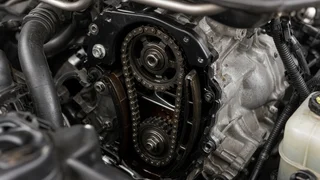
Honda K20: timing chain or belt
The Honda K20 engine uses a timing chain rather than a timing belt, which shapes how owners think about long-term maintenance and engine protection. The question “k20 engine timing chain or belt” usually comes up when someone is checking a used vehicle, hearing startup noise, or planning major service. Understanding the chain-driven valvetrain helps clarify why this engine configuration is generally regarded as durable, how service history and inspection still matter, and why symptom conditions such as cold-start rattle should not be ignored even when no belt replacement interval applies.
Essential answer
Honda’s K20 family is chain-driven, meaning the crankshaft and camshafts are synchronized by a metal timing chain inside the front timing cover instead of a rubber timing belt. This fundamental engine configuration difference removes the scheduled belt replacement that owners of older belt-driven Honda engines may expect. The chain still runs on guides and a tensioner, so it is not maintenance-free, but the core answer to the query is direct: the K20 uses a timing chain.
A timing chain changes the ownership logic because failure is rarely tied to a fixed mileage count. Instead, wear often appears through symptom conditions such as a brief rattle at cold start, rough idle, or diagnostic codes related to camshaft and crankshaft correlation. Service history and inspection become important for evaluating chain stretch, guide wear, or tensioner degradation. Manufacturer specifications and vehicle-specific confirmation still apply, since a fault code is evidence to interpret rather than proof that the chain itself has failed.