Honda hydrogen car lease
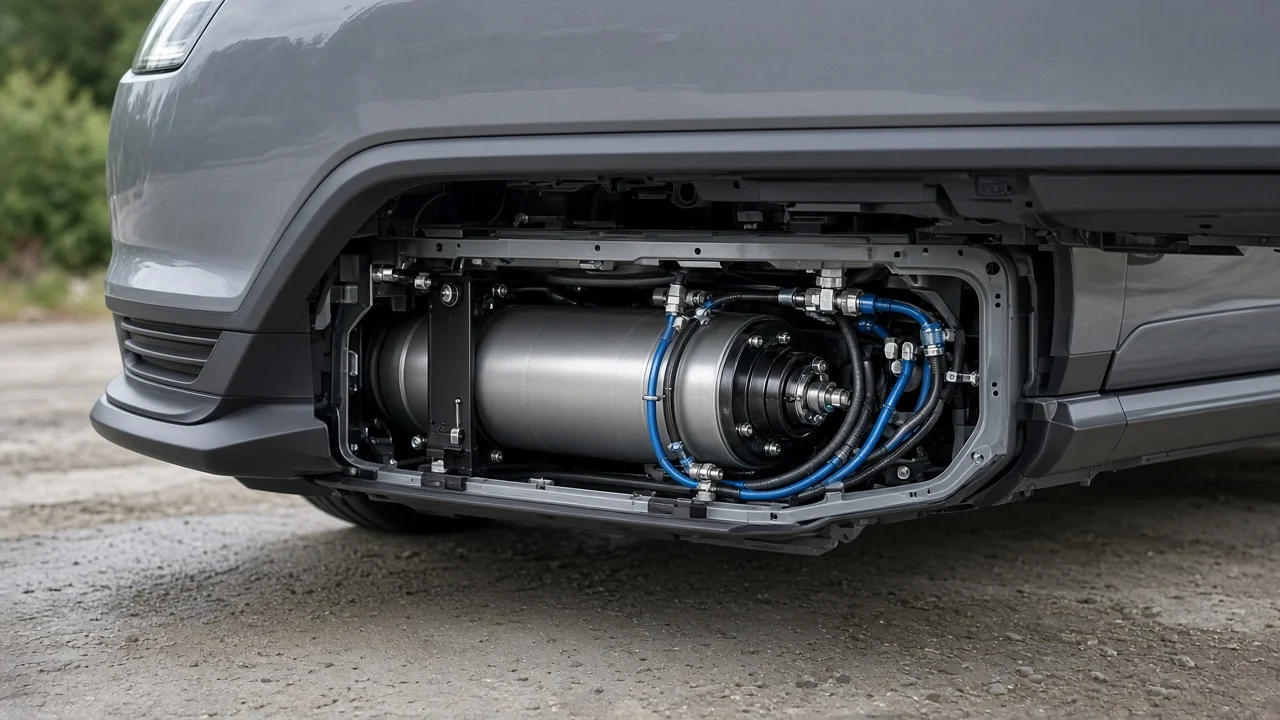
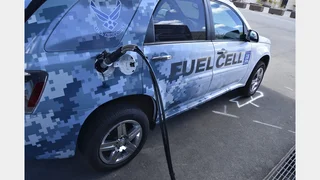
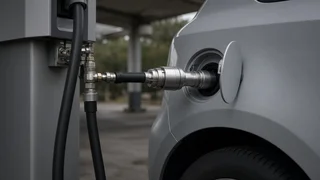
A Honda hydrogen car lease raises different questions than a conventional gasoline or battery-electric lease. You are not just choosing a monthly payment; you are also evaluating fuel access, refueling behavior, range expectations, and how the compressed gas system is handled during normal use. Because hydrogen retail stations remain unevenly distributed in the US, the practical value of the lease depends heavily on where you live and drive. This guide explains what to check before signing so the lease fits your daily route, parking situation, and local refueling network rather than becoming an ownership compromise.
The direct answer
A Honda hydrogen car lease is most sensible when your regular driving stays within reach of reliable retail hydrogen stations and you can accept a fuel network that is still maturing. The lease can be attractive because it shifts some technology risk to the automaker and may bundle fuel allowances or service support depending on the program available in your region. Before committing, confirm the current station coverage on your normal commute, not just the nearest single pump, because an outage can quickly interrupt your mobility.
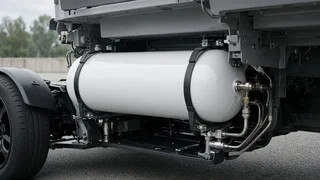
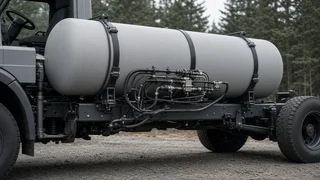
The material condition that changes the answer is local refueling availability. Hydrogen is stored onboard as a compressed gas at high storage pressure, and the vehicle is designed with ventilation and pressure relief protections for normal operation and parking. However, convenience still depends on open stations within practical distance. If your area has multiple accessible locations and a lease structure that fits your mileage, it can work well. If coverage is thin or the lease terms do not address fuel cost clearly, the same vehicle becomes much harder to recommend.