Honda Civic 1.8 Timing Chain Replacement
Timing chain concerns on a 1.8-liter Civic usually begin with an unexpected rattle, an illuminated check-engine light, or a repair estimate that sounds far larger than a simple belt service. Unlike engines that use a rubber timing belt, this configuration relies on a metal chain intended for long life, yet wear, tensioner fatigue, and oil-related issues can still force replacement. Interpreting the symptoms accurately matters because the chain coordinates camshaft and crankshaft movement. A misdiagnosis may lead to unnecessary labor, while ignoring a genuine fault can risk severe valve and piston damage.
Essential answer
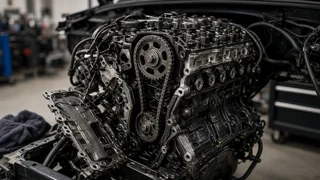
A Honda Civic 1.8 engine timing chain replacement involves removing the timing cover, accessing the chain-driven valvetrain components, and installing a new chain along with associated guides, tensioners, and seals that commonly show age at the same time. The 1.8-liter design generally does not have a scheduled belt interval because the chain is engineered as a long-service component. Replacement is typically condition-based rather than mileage-based, meaning that engine configuration, service history, and symptom conditions guide the decision more than a factory countdown.
Inspection is the practical first step. A metallic rattle that changes with engine speed, diagnostic codes related to camshaft or crankshaft correlation, or visible damage found during an oil-leak repair can point toward chain wear. However, a fault code is evidence to interpret, not proof that a part has failed. Manufacturer specifications and vehicle-specific confirmation matter because a stretched chain, a weak tensioner, and a failed guide can produce overlapping noises. Replacing the complete timing set while the engine is open is the usual approach, since labor access dominates the job cost.
The distinction between this chain system and a conventional belt service also shapes expectations. A timing belt is commonly replaced on a preventive schedule, while a chain is normally serviced only after symptoms or internal engine work expose a problem. Oil quality and oil level influence chain and tensioner life, so neglected maintenance can accelerate wear even when the chain itself is not defective. For owners researching the process, the essential answer is that replacement is a major engine repair requiring careful diagnosis before parts are ordered.