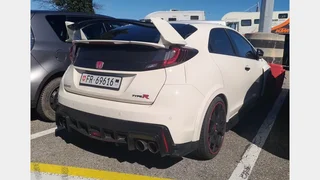
Honda Civic 1.5 Turbo Intercooler
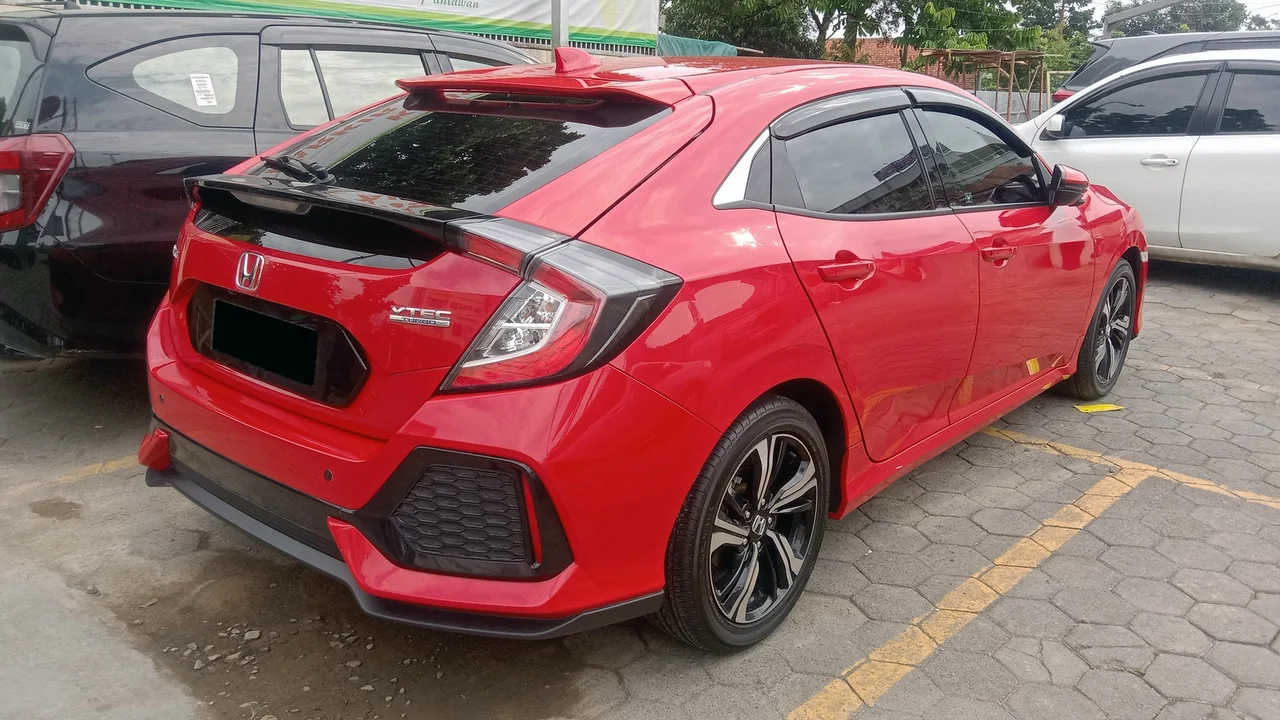
Shopping for a Honda Civic 1.5 Turbo intercooler means evaluating a part that sits between the turbocharger and the intake manifold, cooling the compressed air before it reaches the cylinders. The turbo heats the air as it builds boost pressure, and a restricted or leaking core can raise charge-air temperature, trigger knock, and reduce power. Buyers often compare stock replacement cores with larger aftermarket designs, but a bigger core is only useful when the rest of the intake tract can support the intended airflow.
The direct answer
The immediate answer is that the correct intercooler for a Honda Civic 1.5 turbo must match the factory compressor outlet and charge pipe connections, fit the original mounting points, and preserve adequate airflow to the radiator and condenser. A stock replacement is the simplest choice when the original core is damaged, oil-contaminated, or leaking at a hose connection. An aftermarket upgrade may be appropriate if the vehicle runs higher boost or sees repeated hard pulls, but it should not compromise throttle response or create unnecessary pressure loss.
Before purchasing, inspect whether the existing unit shows bent fins, end-tank cracks, loose clamps, or oil residue from the crankcase ventilation system. Oil contamination inside the charge-air path does not automatically prove an intercooler failure; small amounts can enter through the PCV system and coat the internal passages. If the core is physically sound, cleaning it and checking the hose connections may restore normal operation. Replacements should be selected only after confirming the actual failure point rather than assuming the intercooler itself is always the problem.