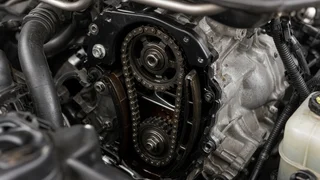
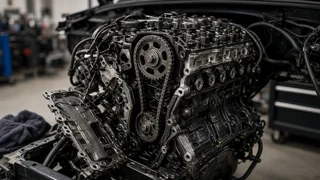
Honda 1.8 i-VTEC Timing Chain
The Honda 1.8 i-VTEC timing chain question usually comes from owners trying to decide between routine upkeep and a deeper mechanical repair. This engine family uses chain-driven camshafts instead of a rubber belt, and that distinction shapes both service expectations and failure symptoms. Because the chain is internal and oil-lubricated, diagnosis starts with noise, stored diagnostic codes, oil condition, and service history rather than a visual interval replacement. Understanding the engine configuration and how the tensioner, guides, and sprockets work together helps separate normal operational sounds from early warnings that need attention before metal wear becomes major damage.
Essential answer
The essential point is that the Honda 1.8 i-VTEC engine uses a timing chain, not a timing belt, to keep the crankshaft and camshafts synchronized. A chain is a durable internal component designed to last the life of the engine under normal conditions. However, that does not make the system immune to wear. The chain, tensioner, guides, and sprockets can still degrade, especially if oil changes are neglected or if the engine is run with low oil pressure. So the direct answer is yes, it has a chain, but its longevity depends on lubrication and the condition of the surrounding timing components.
When investigating a Honda 1.8 i-VTEC engine timing chain concern, treat a fault code as a clue, not a verdict. Diagnostic codes for camshaft or crankshaft correlation often point toward timing geometry, but they can also stem from sensor issues, wiring, or oil control problems affecting the VTC actuator. A rattle on cold start that fades quickly often indicates the tensioner is slow to build oil pressure, while a persistent rattle under load suggests worn guides or a stretched chain. Confirming the exact cause requires an inspection of the timing case, chain deflection, and tensioner travel rather than assuming the chain itself is automatically defective.