Holley carburetors with manual choke: models and selection
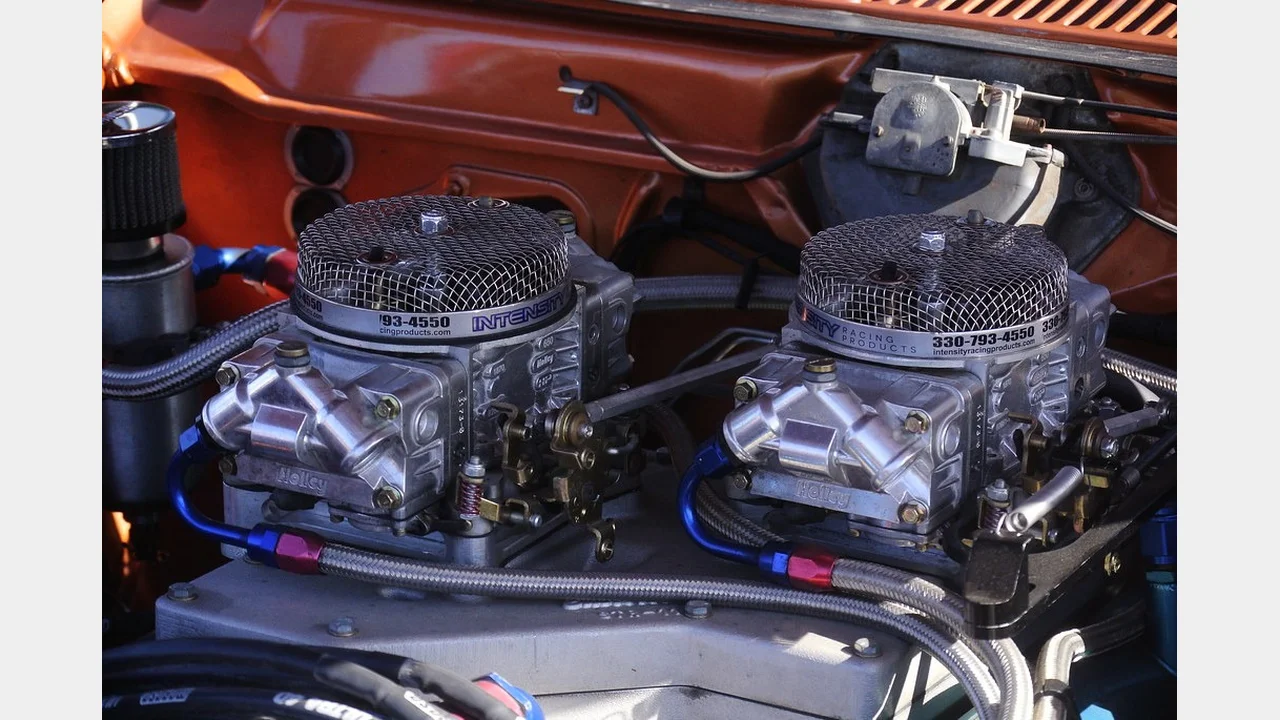
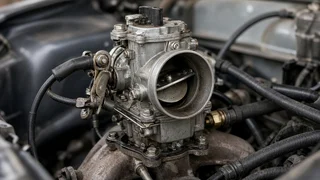
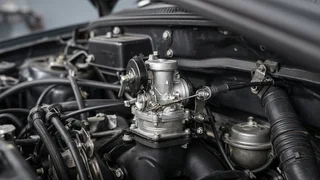
Selecting a Holley carburetor with a manual choke means matching airflow needs to cold-start control. A hand-operated choke gives the driver direct command over the choke blade, allowing a richer cold-start mixture without relying on automatic temperature or electric assist. This matters on street engines, trucks, marine applications, and older vehicles where simple cable linkage is preferred. The right choice depends on carburetor type, airflow rating, venturi count, and how the control cable reaches the choke lever. Understanding those points leads to a more predictable start and a carburetor that fits the actual engine combination.
The direct answer
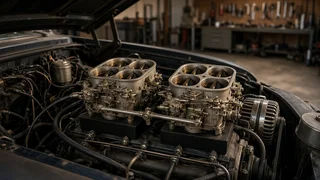
Holley offers manual-choke versions across several popular carburetor families, commonly including 2300-series two-barrel units and 4150-style four-barrel models. A 2300 carburetor at 350 cfm with a manual choke suits smaller V8 or inline-six engines, while a 600 cfm manual-choke four-barrel is a practical match for mild street V8s that need better metering without an automatic choke assembly. The 750 cfm size appears when displacement, camshaft choice, and higher-rpm use demand more airflow. Buyers should confirm the actual model number rather than assuming every airflow rating has a manual-choke variant.
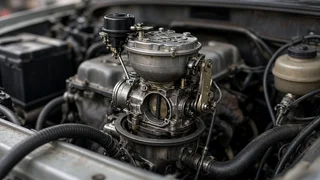
The main condition is fitment. A 2 barrel carburetor with manual choke uses a different flange and throttle linkage than a four-barrel, so the intake manifold and throttle bracket must match. The choke control cable also needs a mounting point and enough linkage travel to open and close the choke plate fully. When a Holley 600 carburetor manual choke listing appears, check whether it is a vacuum-secondary or mechanical-secondary version, because that influences drivability and tuning. Confirming the throttle bore spacing, fuel inlet location, and cable orientation prevents a purchase that looks correct but will not operate cleanly.