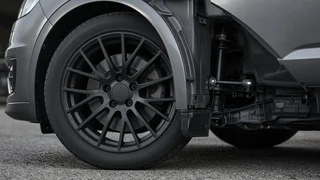
Holden Colorado Wheel Offset
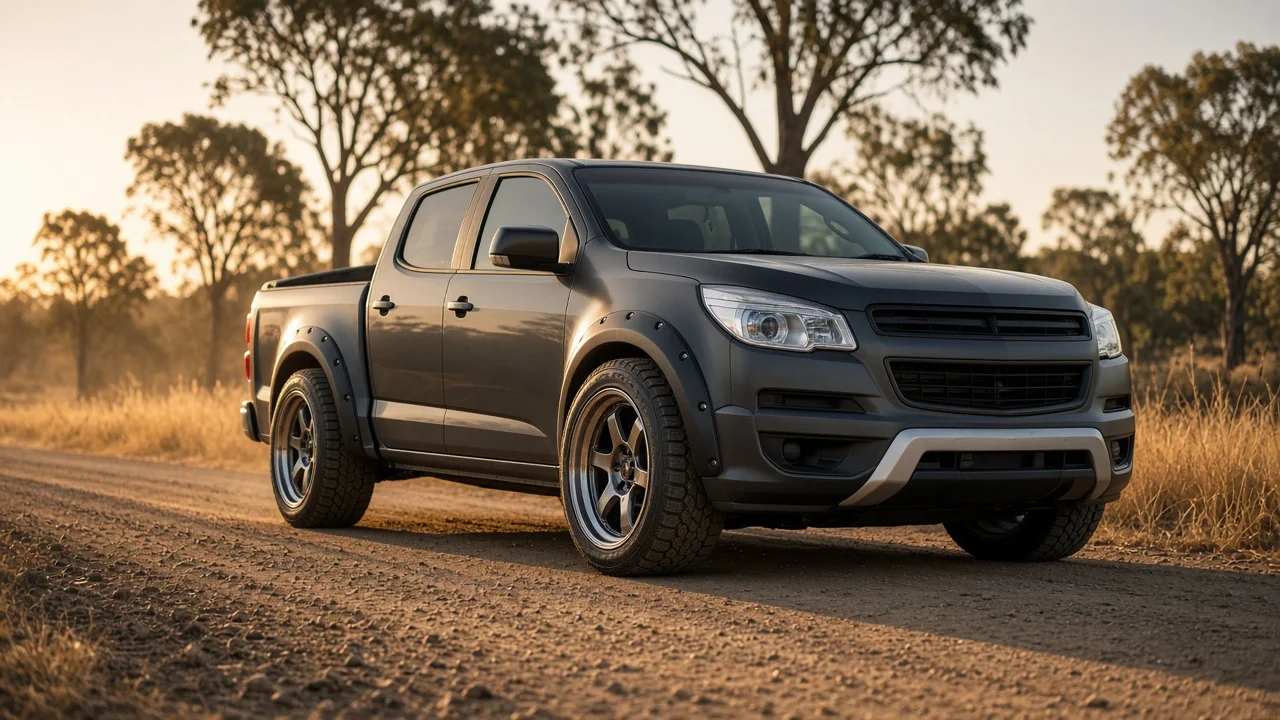
Wheel offset shapes how a Holden Colorado sits, steers, and clears its bodywork when wheels or tires are changed. Offset describes where the wheel’s mounting face sits relative to the rim’s centerline, so it influences track width, suspension geometry, and tire compatibility. For owners considering aftermarket alloys, wider tires, or a different stance, understanding this measurement helps avoid rubbing, bearing stress, and unintended handling changes before parts are ordered.
Essential answer
The essential answer is that Holden Colorado wheel offset identifies how far the hub-mounting surface is positioned inward or outward from the exact middle of the rim width. A zero offset places that surface on the centerline. Positive offset moves the mounting face toward the outside of the wheel, pulling the tire inward, while negative offset pushes the tire outward for a wider stance. The factory value is set to balance steering feel, suspension load, and clearance with the fender, brake components, and steering parts.
Because offset works together with rim width and rim diameter, a wheel that appears similar can fit very differently once its offset changes. A wider rim with the same offset adds width on both sides of the mounting face, which may reduce clearance near suspension or bodywork. Confirming the factory offset and comparing it with any proposed wheel lets an owner predict whether a package will sit inside the guards or protrude enough to contact sheet metal during suspension travel.