Hitch-Mounted Cargo Carrier vs Roof Carrier
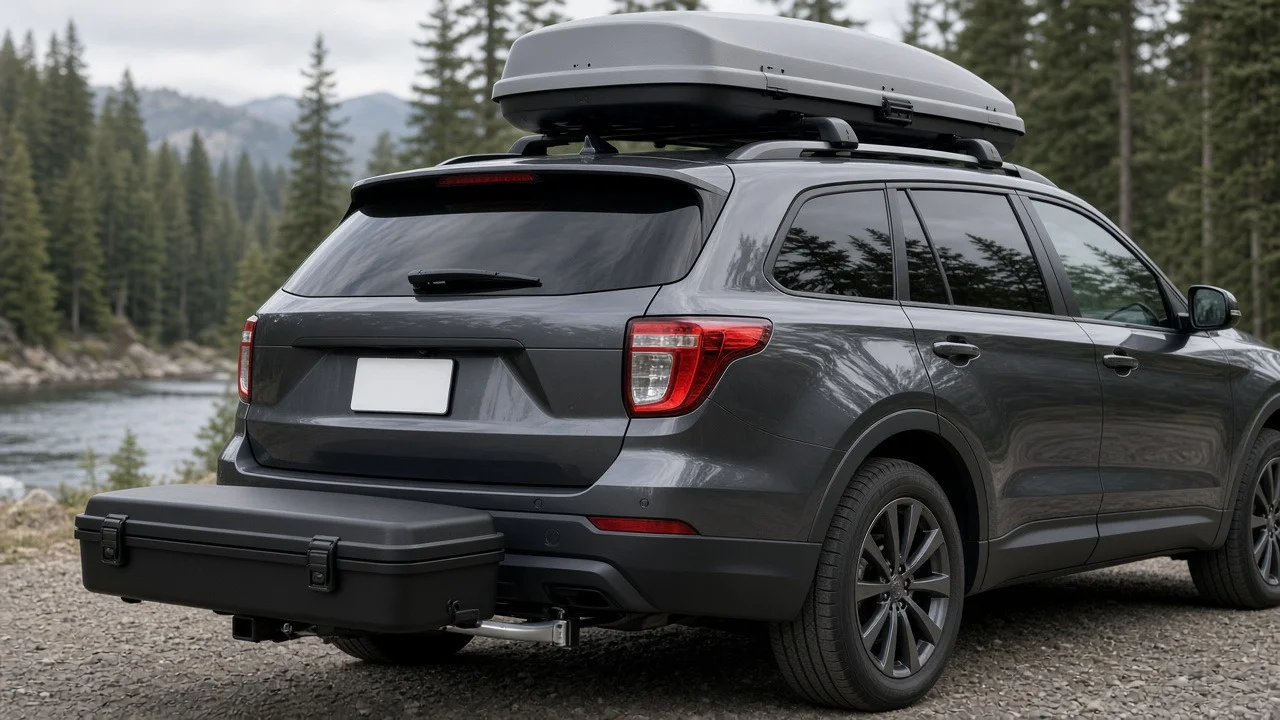
Choosing between a hitch-mounted cargo carrier and a roof carrier often comes down to how you load, drive, and access your gear. Both systems expand useful capacity, but they affect clearance, fuel economy, and convenience in different ways. A hitch platform keeps weight low and the roofline clear, while a roof basket or box uses overhead space. The right choice depends on your vehicle, typical cargo, and how often you want that extra storage ready for a trip.
Direct answer
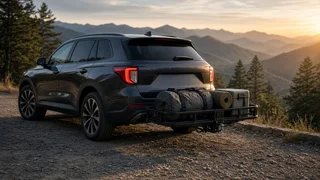
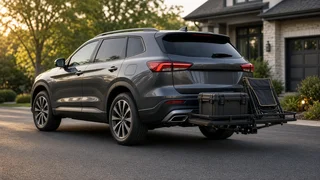
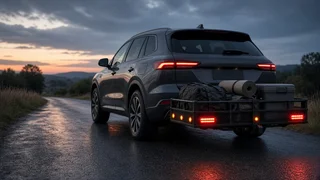
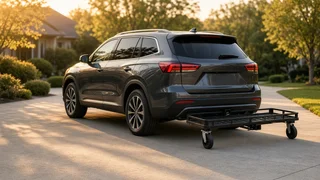
For most drivers, a hitch-mounted cargo carrier is the easier daily solution when a receiver hitch is already available. It places cargo behind the vehicle, preserves roof clearance for garages and low branches, and reduces the lifting height for heavy bags or coolers. The trade-off is rear overhang, which can affect departure angles and parking sensors. A roof carrier is often better when the hitch is occupied by a bike rack or trailer, or when the load must stay clear of exhaust heat and grime.
The immediate comparison depends on how you use the vehicle. A roof-mounted carrier suits tall but light items and keeps the tailgate area usable, yet it raises the center of gravity and can create wind noise. A hitch-mounted platform carries heavier, denser objects without climbing onto the vehicle, but it extends the rear and may block a backup camera. Choose by matching the carrier location to the cargo shape, weight, and the access height you can manage comfortably.