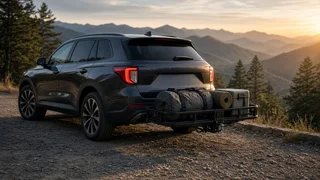
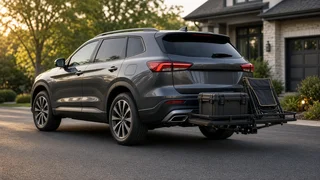
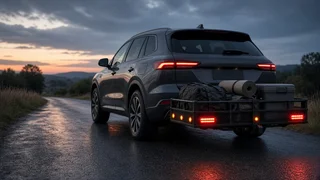
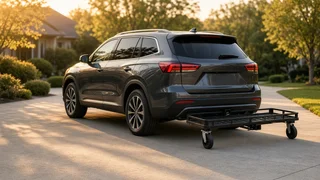
Hitch mounted cargo carrier Canada
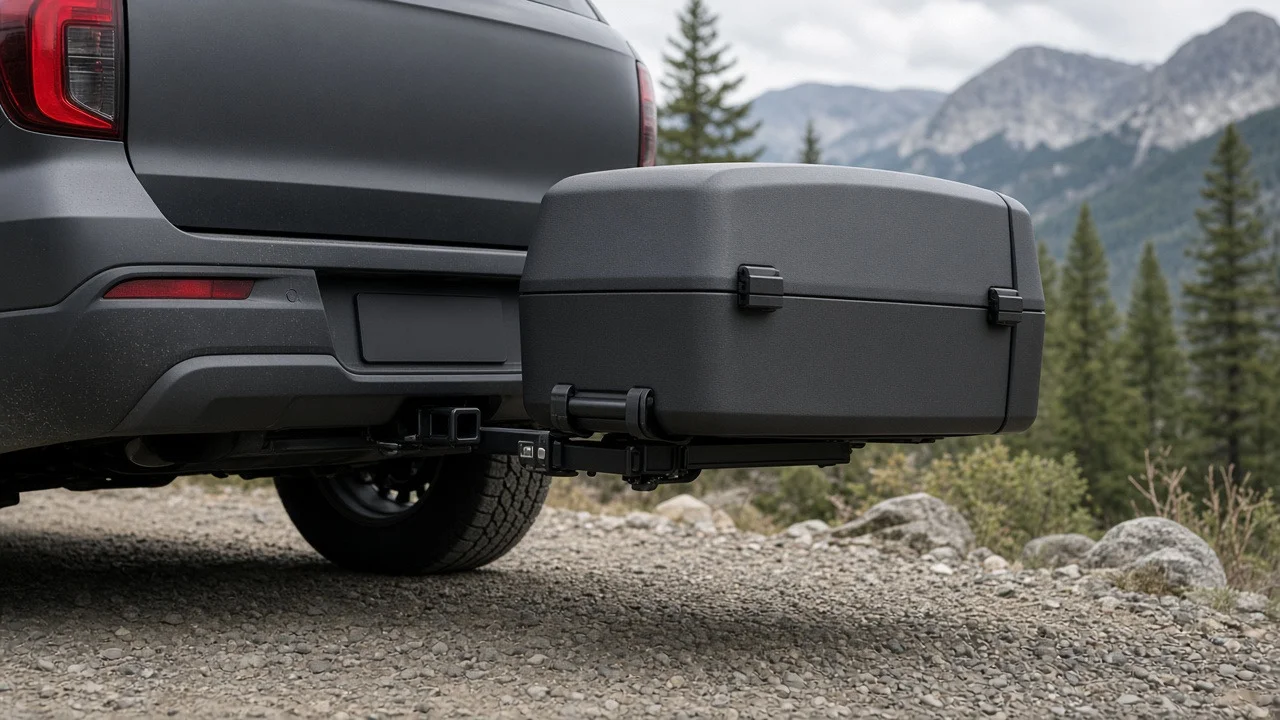
A hitch mounted cargo carrier in Canada has to work through rain, road salt, slush, and long highway days, so the purchase decision involves more than picking a basket size. The right carrier depends on receiver compatibility, how the load rating matches what you actually haul, and whether the platform keeps luggage clear of the tailgate and exhaust. Several general principles make the choice easier. When you evaluate surface material, mounting points, corrosion protection, and folded or tilting access, you can separate a carrier that will survive Canadian seasons from one that will become a rusted liability.
The direct answer
The direct answer is that a hitch mounted cargo carrier suited to Canada should match the receiver tube size on your vehicle, provide a load rating that comfortably covers the cargo you plan to carry, and use a corrosion resistant finish for wet winter roads. Most carriers fit a common receiver class, but product compatibility depends on the difference between the tongue weight capacity of the hitch and the stated capacity of the platform. If the vehicle hitch is rated lower than the cargo carrier, the hitch rating governs what you can safely load, not the printed number on the basket.
Clearance also changes the answer. A carrier that sits close to the bumper works for low loads, while a raised shank may be useful when the platform would otherwise scrape on a steep driveway or a campsite approach. Look at the gap between the rear fascia and the platform, and consider whether the tailgate or liftgate can still open when the accessory is installed. Because no single platform works for every SUV, truck, or crossover, the safest immediate conclusion is to verify receiver size and hitch tongue rating before buying a carrier for use in Canada.