Hikeren Bluetooth OBD2 Adapter
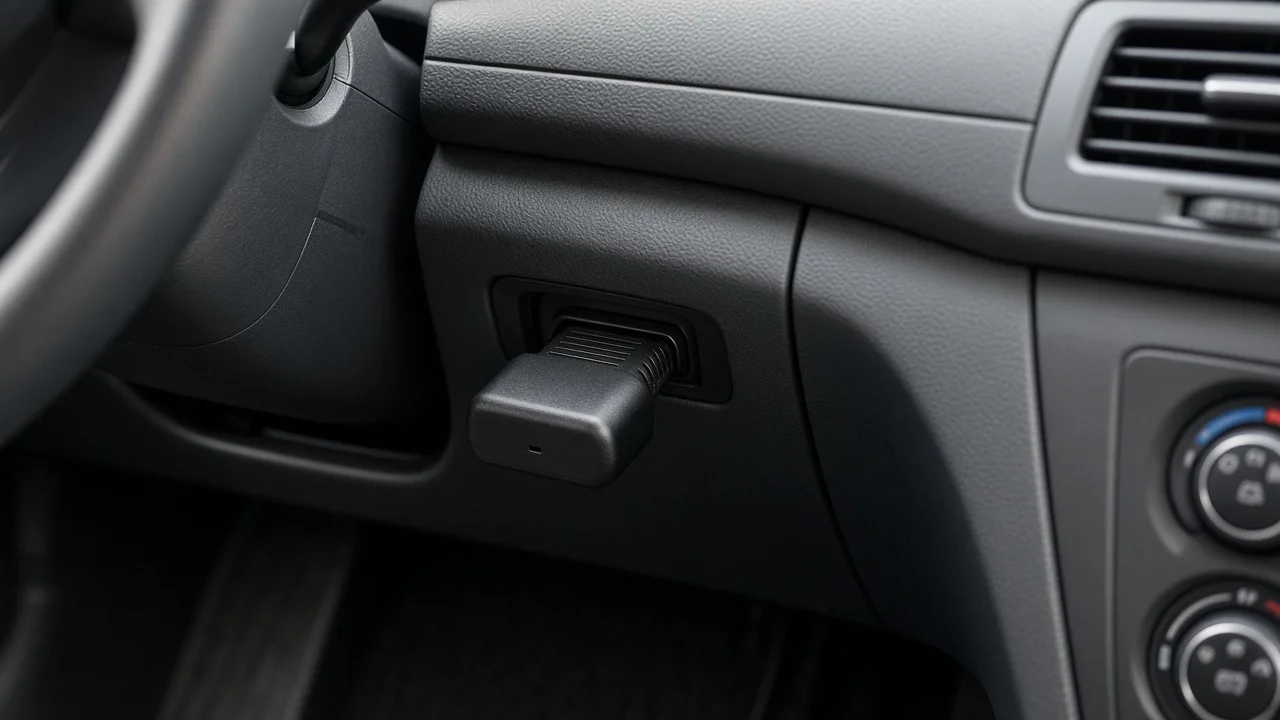
Choosing a Hikeren OBD2 Bluetooth adapter means matching a small diagnostic interface to your phone and vehicle before you buy. The adapter plugs into the OBD-II port and sends powertrain data to an app over Bluetooth, but the experience depends on device pairing, software compatibility, and connection settings. Buyers often need to confirm which protocol their car uses and whether the adapter supports their phone’s operating system. This guide explains what the device does, what limits the connection, and which practical checks help avoid a purchase that will not communicate with the vehicle.
The direct answer
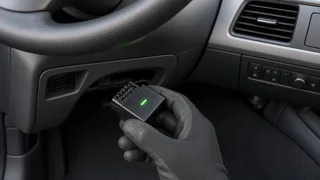
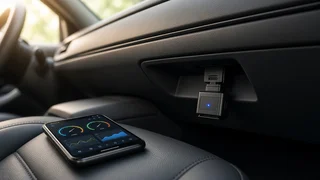
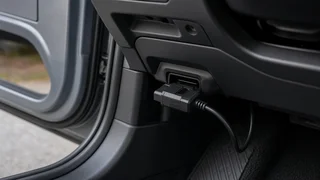
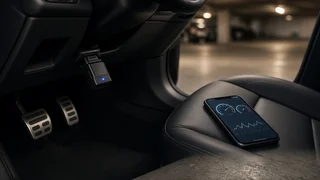
A Hikeren Bluetooth OBD2 adapter is a compact vehicle interface adapter that reads diagnostic information from the OBD-II connector and transmits it wirelessly to a phone or tablet. The immediate answer for most buyers is that it can work as an entry-level scan tool when the app, phone, and vehicle all support the same communication path. The adapter is not a standalone scanner; it requires a compatible application to interpret data. If the vehicle is OBD-II compliant and the phone can complete Bluetooth pairing reliably, the device should provide basic live data, readiness checks, and diagnostic trouble code access within the limits of the software.
The purchase decision changes when the phone uses a current operating system that restricts older Bluetooth profiles or when the vehicle uses a less common protocol. Software compatibility is the material condition that decides whether the adapter is useful or returns a connection failure. A buyer should confirm the app supports the adapter family and that the phone allows location or nearby-device permissions used during the initial scan. Without that confirmation, the adapter may power up and pair but never establish a data link to the app, leaving the user with a blinking module and no readable values.