Happier Camper van conversion
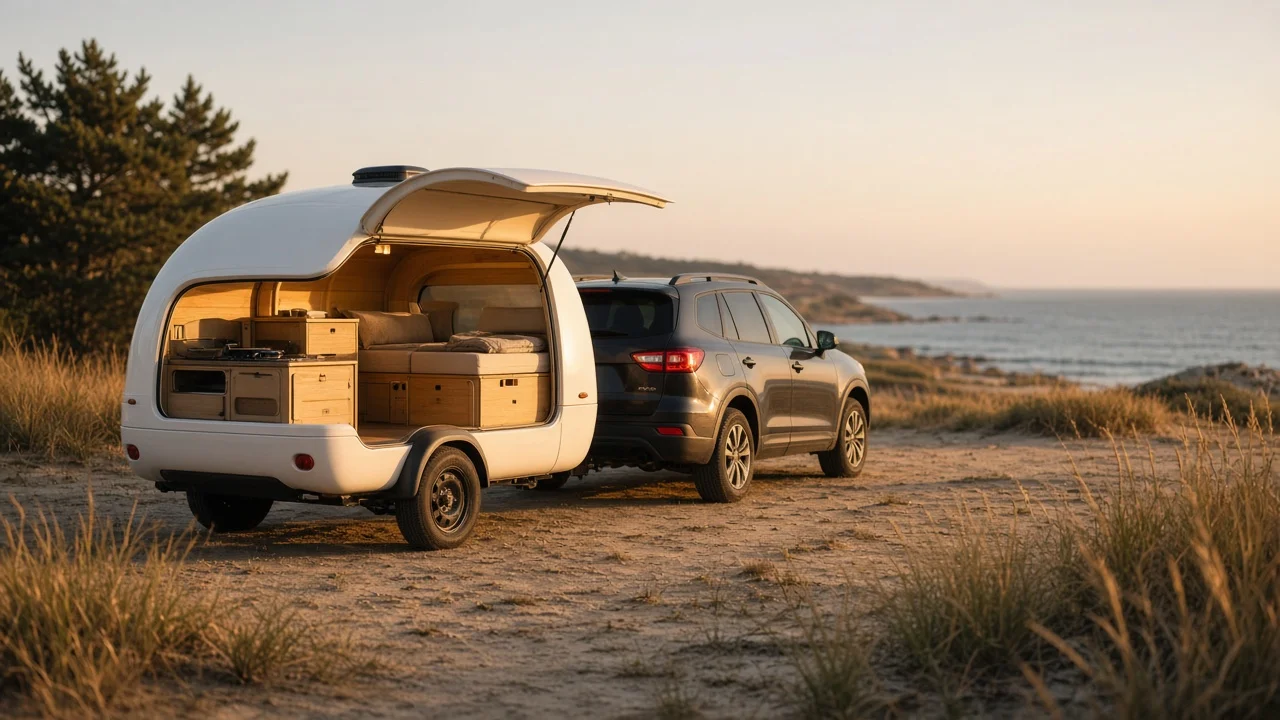
A Happier Camper van conversion takes a different approach from permanent built-in cabinetry. It uses a lightweight, modular interior that owners can reposition or remove while keeping the base van’s body configuration, seating layout, cargo access, wheelbase, and powertrain options intact. This matters for anyone comparing a traditional camper van with a system designed for flexible hauling, daily driving, and occasional camping. The essential question is whether the conversion behaves more like furniture placed inside a cargo van than like a permanently altered RV, and how that distinction changes ownership, weight, resale, and everyday usability.
Essential answer
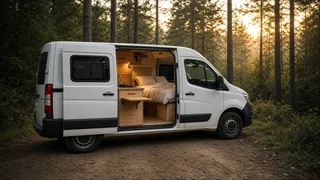
A Happier Camper van conversion is best understood as a modular camping interior installed inside a suitable van rather than a structural rebuild. The core idea is that lightweight floor-mounted components, cabinets, and sleeping surfaces can be rearranged or removed without cutting the van or permanently altering its body. Because the base vehicle’s market specification remains largely intact, owners can still use the van for cargo, passenger hauling, or daily transportation. The conversion changes how the interior is used, but it does not create a permanently dedicated motorhome.
The practical benefit appears in how the layout interacts with body configuration and cargo access. A shorter wheelbase van may remain easier to park and maneuver, while a longer wheelbase can accept more modules and create a more open sleeping or living area. Rear doors or a sliding side door still provide normal entry, and the modular pieces can be lifted out when full cargo capacity is needed. This separates the conversion from fixed builds where cabinetry, plumbing, and electrical runs are fastened into the vehicle and are difficult to reverse without repair work.