Hagerty trailer insurance
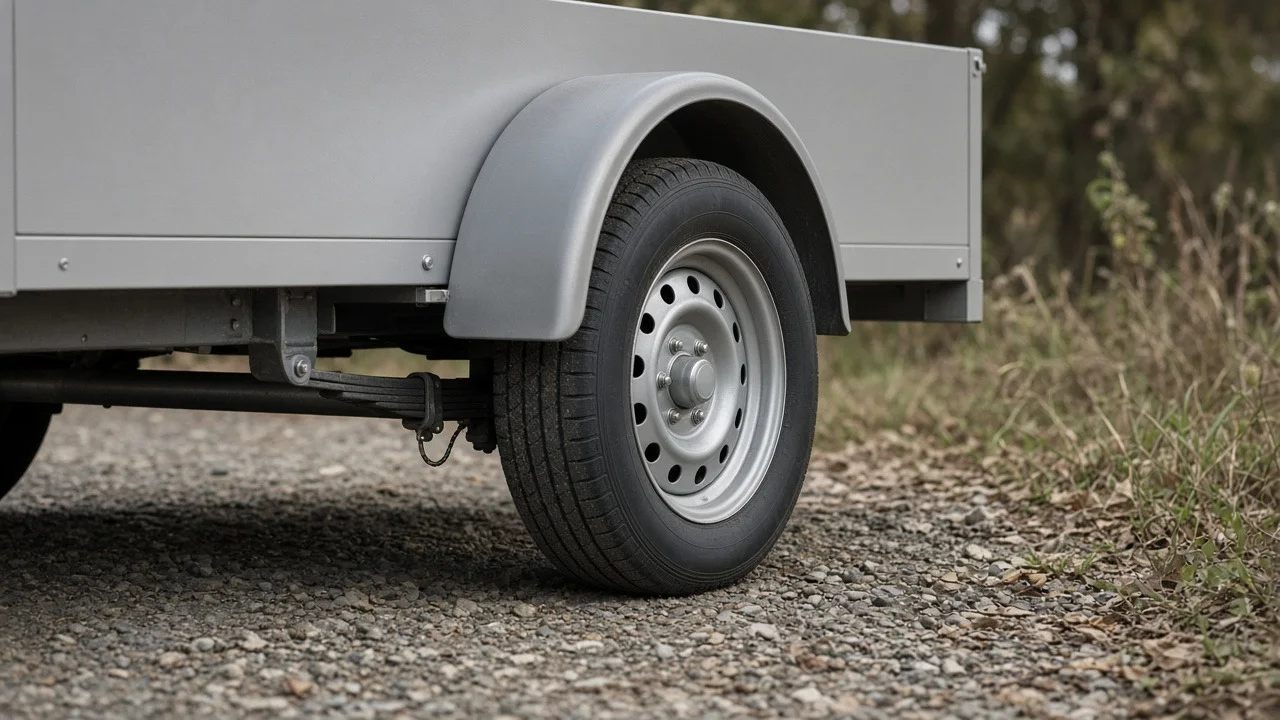
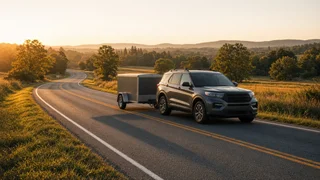
Shopping for Hagerty trailer insurance usually starts with a simple question: will the policy fit the way you actually use the trailer, or will gaps leave you paying out of pocket after a roadside incident? Trailers can be cargo haulers, enclosed racers, horse trailers, utility beds, or classic campers, and each use changes the boundary between an auto extension and a specialty product. Hagerty is best known for collector vehicles, but its trailer coverage is often evaluated by owners who tow valuable or unusual trailers and want agreed-value protection rather than a generic endorsement. Because coverage language can differ from standard auto policies, the useful next step is understanding which trailers fit, what the policy is designed to cover, and where exclusions may still apply.
The direct answer
The direct answer is that Hagerty trailer insurance is generally a specialty physical-damage product aimed at trailers that are used for personal, recreational, or collector purposes rather than daily commercial work. It is most relevant when the trailer has a defined enthusiast value, such as a restored vintage camper, a custom car hauler, or a well-equipped enclosed trailer. The policy works as a standalone coverage path or a supplement when an auto policy offers only limited trailer protection. The condition that materially changes the answer is use: commercial hauling, rented trailers, or trailers used as living quarters on a full-time basis may not fit the intended profile, and a different commercial or RV policy may be required.
A buyer should treat the trailer type and towing setup as the first filter. If the trailer has collector interest or a specialty build, an agreed-value format can address the common problem of an ordinary policy paying only depreciated actual cash value after a total loss. Liability coverage may still follow the towing vehicle under many personal auto policies, while physical damage to the trailer itself often needs separate attention. Collision coverage responds when the trailer is damaged in a crash or overturn, while comprehensive coverage addresses non-collision losses such as theft, fire, hail, flood, or falling objects. The deductible and policy limits then shape how much risk the owner retains.