Gravity car audio amplifier
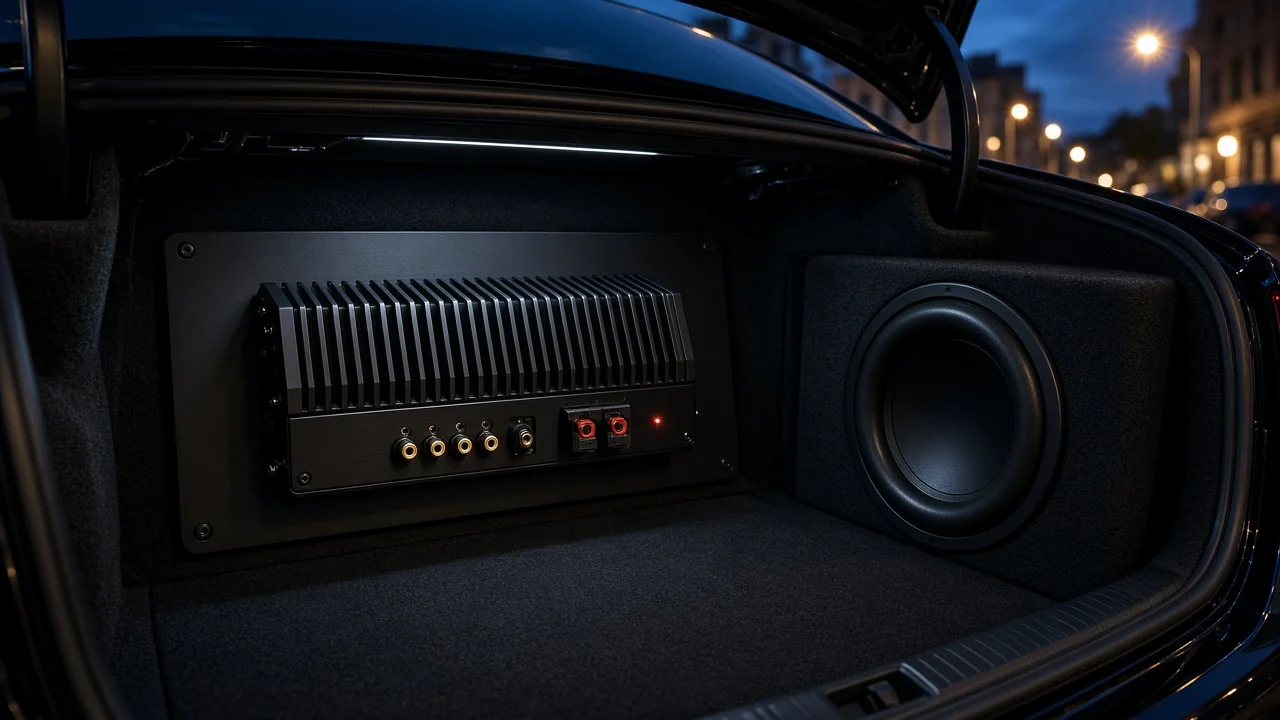
A Gravity car audio amplifier can reshape how a vehicle sounds, but the buying decision depends on more than brand recognition. The term may appear for budget-oriented and specialty models sold through different channels, so confirmation of power output, channel count, and build quality matters before purchase. Understanding how an amplifier interacts with the existing head unit, speaker wiring, and vehicle integration helps separate a useful upgrade from a mismatch that creates noise, protection faults, or weak output. The right choice starts with matching the unit to the audio source and the speakers it will actually drive.
The direct answer
Choose a Gravity amplifier only after confirming its RMS power into the impedance of the speakers you plan to use, the number of channels needed for your system layout, and the signal type your head unit supplies. An amplifier listed with peak or maximum output can look powerful while delivering far less continuous usable power. If the source unit has only high-level speaker outputs, the amplifier must accept that input or you will need a suitable converter. When those basics align, the amplifier can improve clarity and volume without immediately overloading the charging system.
Condition changes come mainly from speaker load and vehicle integration. Lower-impedance speaker wiring configurations draw more current and may push a compact amplifier into thermal protection, especially with limited airflow. A four-channel unit can drive door speakers or be bridged for a subwoofer, but not both at full rated load unless the specifications support that mode. Before buying, verify that the mounting location allows ventilation and that the power and ground connections can be made with the correct gauge for the amplifier's current draw. A stable install matters as much as the printed wattage.