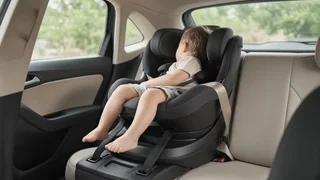
Graco Extend2Fit Rear-Facing Height and Weight Limits
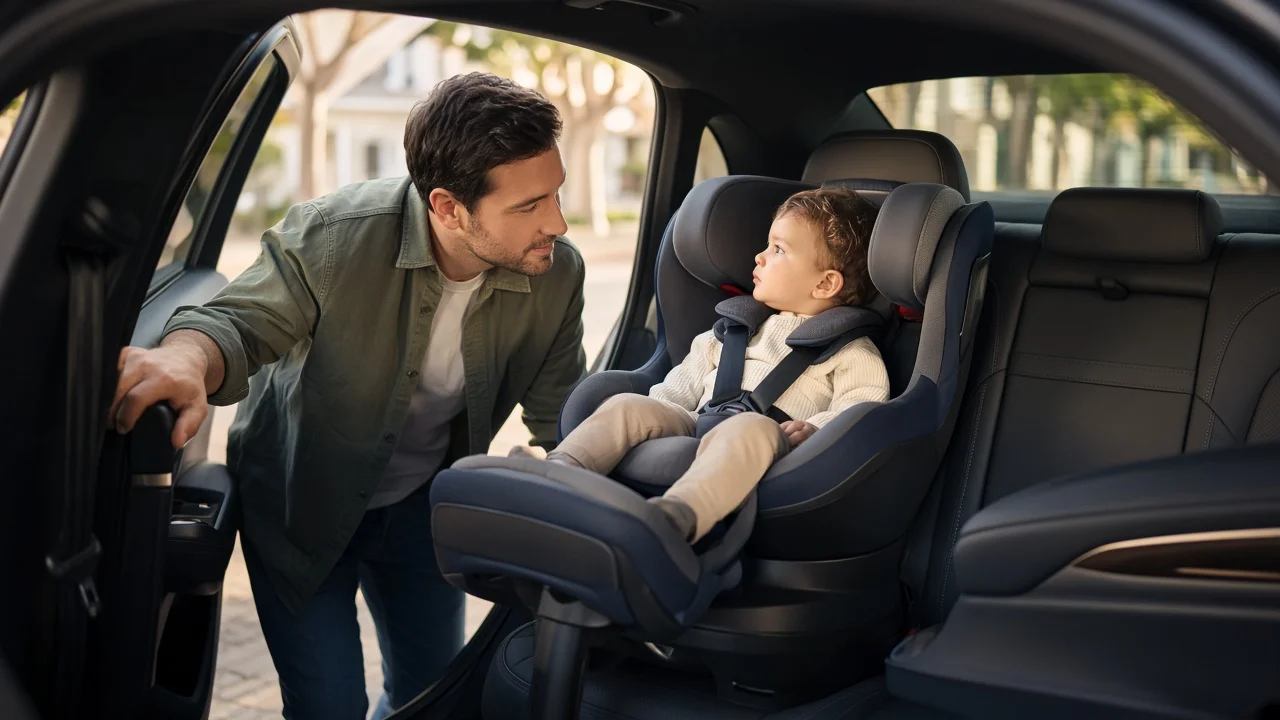
The short answer
The Graco Extend2Fit is a convertible car seat, meaning it can be used rear-facing for infants and toddlers and later turned forward-facing. In rear-facing mode it has two separate limits: a maximum child weight and a height-based fit limit. A child has outgrown rear-facing use as soon as either limit is reached, whichever comes first.
We could not confirm the exact rear-facing weight and height figures for this article, so none are given here. The authoritative numbers are on the labels on your seat's shell and in the owner's manual that came with it. Use those rather than figures from retailer listings, forums or older reviews, because limits can vary between versions and production dates.
Why the height limit is often the one that matters
Readers often look for a single height in inches. Many convertible seats instead define rear-facing height by fit, such as where the child's head sits relative to the top of the seat shell or headrest. The child's torso length and head position decide when the seat is outgrown, not total standing height alone. Two children of the same overall height can outgrow the seat at different times.
Check your manual to see how your Extend2Fit states its rear-facing height limit. It may be a measured height, a head-position rule, or both. If both appear, follow both.
Qualifications that can change the answer
Model version: Graco may have sold more than one seat under the Extend2Fit name, and limits can differ between them. Match the model name and number on your seat's label to the manual you are reading. Manufacture date: specifications can change between production runs. The seat label shows the date of manufacture and is the reference for your specific unit. Installation method: the seat's rear-facing weight limit is not the same as the weight limit for installing with the vehicle's lower anchors (the LATCH system). Lower anchors have their own limit, usually based on the combined weight of the child and the seat. Past that point the manual will typically direct you to install with the vehicle seat belt instead. Your car seat manual and your vehicle owner's manual both give guidance on this. Harness fit: rear-facing harness straps generally need to come from at or below the child's shoulders. If the straps can no longer be positioned correctly, follow the manual's guidance even if the weight and height limits have not been reached.
How long to stay rear-facing
General US child passenger safety guidance recommends keeping children rear-facing for as long as possible, until they reach the highest rear-facing weight or height the seat allows. Reaching a particular age or birthday is not, by itself, a reason to turn the seat forward-facing. The Extend2Fit is designed for longer rear-facing use, so many children can stay rear-facing in it for an extended period. When that ends depends on the seat's stated limits and the individual child.
What to do next
Find the model name, model number and manufacture date on the labels on the seat shell. Open the owner's manual for that exact model and note the rear-facing weight limit and how the height limit is defined. Check the separate lower-anchor weight limit and when to switch to a seat-belt installation. Recheck your child's weight, height and harness fit regularly, since growth can be quick. If you are unsure about fit or installation, a certified child passenger safety technician can check the seat in your vehicle.
Information gap
This article does not state specific rear-facing weight or height figures for the Graco Extend2Fit because none could be verified for it. Treat the seat's labels and the matching owner's manual as the final word for your seat.