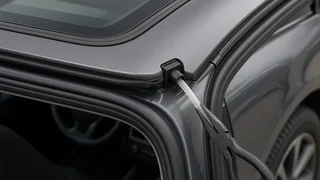
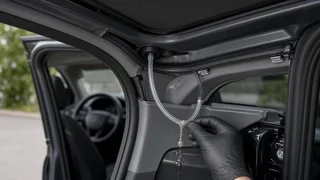
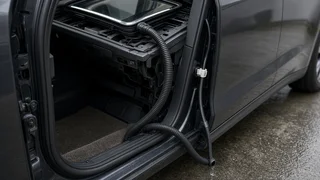
GMC Acadia / Buick Enclave Sunroof Drain Tubes Location
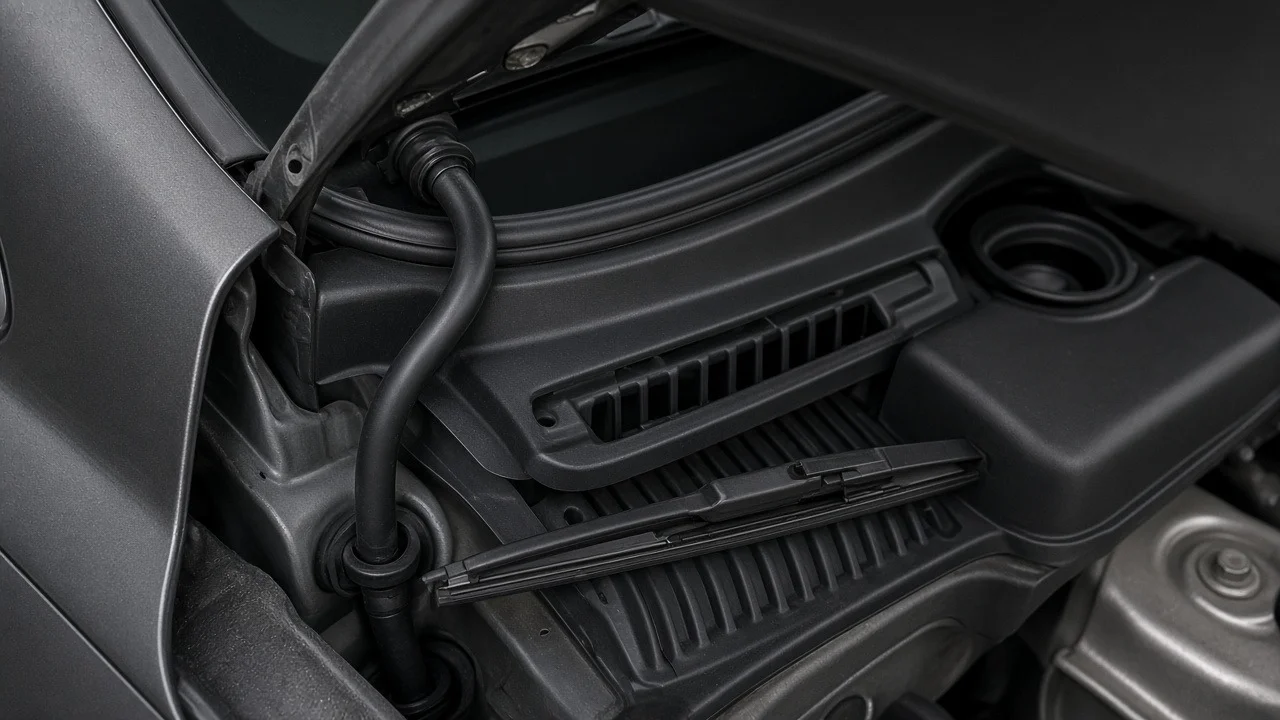
Water inside a GMC Acadia or Buick Enclave often traces back to the sunroof drainage system rather than a leaking glass seal. The sunroof panel is designed to let a small amount of water past its edges, where a channel collects it and flexible drain tubes carry it away. When those tubes clog, detach, or pinch, water follows the headliner, A-pillars, or carpet instead. For owners of these platform-sharing crossovers, knowing where the drain tubes run and how they behave helps separate a simple blockage from a broken fitting or a weatherstrip concern.
Essential answer
The essential answer is that the sunroof drain tubes are not grouped in one place. A front drain tube runs down each side of the windshield area, typically concealed inside or near the base of the A-pillar, while a rear tube follows the rear roof corner and descends through the pillar or quarter area. On these Lambda-platform vehicles, the front outlets are often accessible after opening the front doors, with a small rubber duckbill or elbow visible near the door hinge area. The rear outlets may finish near the rear wheel arch or behind the bumper, depending on vehicle configuration and trim.
Finding the complete path is useful because the symptoms can appear far from the actual outlet. A wet front floor on the driver or passenger side often points to the corresponding front drain, while dampness near the cargo area or rear seatbelt may indicate a rear tube problem. The location question is therefore not just about one part; it is about tracing each corner of the roof opening to its exit point. Because Acadia and Enclave models share much of their body structure, the general routing is similar, though minor differences can occur by model year and rear body design.
Identification and location
To identify the tube routing, open a front door and inspect the sheet metal near the hinge pillar for a small dark rubber outlet. It may be pressed against the body or have a flattened tip that helps keep insects and debris out. From above, the corresponding tube begins at the sunroof frame corner, where a nipple fits into the drain channel. The A-pillar trim, headliner edge, and windshield weatherstrip hide most of the tubing, so the visible clue is usually the outlet rather than the entire line. Location permissions on a phone are not needed here; this is a hands-on visual check of the body.
The rear drain tubes are easier to confuse with other rubber lines near the rear bumper or wheel liner. A thin, soft hose ending in a grommet is likely a drain, while a hard plastic line with a connector may belong to the rear washer or another system. If the outlet is not visible, a small controlled amount of water poured into the sunroof channel can help confirm which corner drains and where it exits. Watch for water appearing promptly below the vehicle. Slow or absent flow at one corner indicates that the tube, fitting, or outlet needs closer attention rather than assuming the entire sunroof assembly is defective.