GM truck power door lock actuator replacement (Silverado, Sierra, Tahoe)
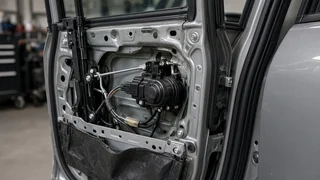
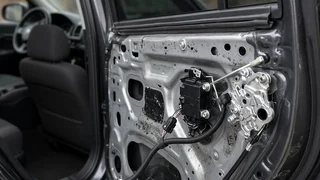
A power door lock actuator on a Silverado, Sierra, or Tahoe is the small electric motor and gear assembly that moves the latch mechanism when the lock switch or key fob is commanded. When it fails, one door may refuse to lock or unlock, buzz faintly, or only respond after several tries. The question is not simply whether the part is worn. Wiring, switch input, linkage and the latch itself can create similar symptoms. Understanding what the actuator actually does and how to separate a mechanical fault from an electrical one helps a truck owner decide whether the job is a direct replacement or a diagnosis that still needs confirmation.
Essential answer
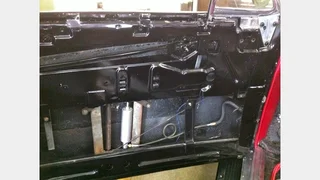
The essential repair for a dead or intermittent power lock on these full-size GM trucks often involves replacing the door lock actuator inside the affected door, but that conclusion should not be made from the symptom alone. A 2009 GMC Sierra, 2009 Chevy Tahoe, or 2014 Chevy Silverado may share the same general body system layout even when door trim and latch details differ. The actuator is one part of a circuit that includes the door switch, body control module, wiring passing through the hinge area, and the mechanical latch rods running inside the door.
A common valid first step is to confirm whether the suspect door changes state when activated from both the switch and the key fob. If there is no sound at all, the problem may be upstream in the switch, module, or a broken wire inside the door boot rather than in the actuator motor. If a click or soft buzz occurs but the lock button does not move, the gear or linkage inside the actuator assembly is a stronger suspect. Because some GM codes and body-control outputs are vehicle-specific, a scan-tool reading can support diagnosis but does not by itself prove that the actuator is faulty. Replacing the actuator should follow confirmation that command voltage is present at the door and that the latch and rods move without binding.