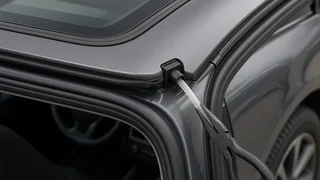
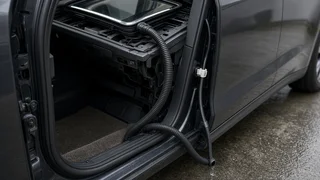
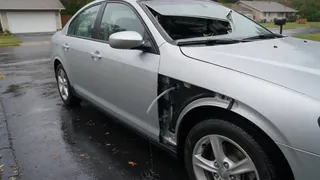
GM sunroof drain tubes (Chevrolet, GMC, Cadillac, Hummer)
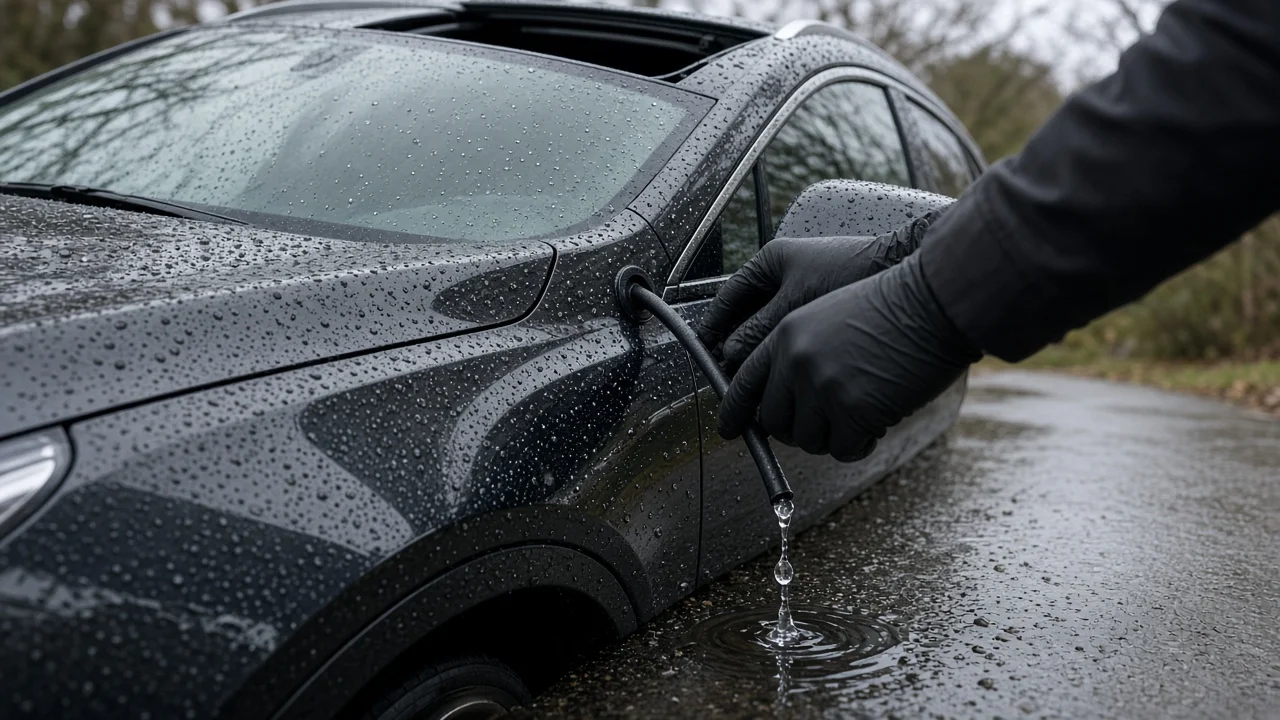
A sunroof that suddenly leaves a damp headliner, wet carpet, or water staining near the pillars usually points to clogged or detached drain tubes rather than a failed glass seal. On many GM vehicles, including Chevrolet, GMC, Cadillac, and Hummer models, these narrow tubes route water from the sunroof tray to exit points in the body. When debris blocks the path or a connection separates, water backs up and follows interior trim. This overview explains how the system works, where problems tend to occur, and what conditions make certain body configurations more vulnerable.
Essential answer
GM sunroof drain tubes are the flexible passages that carry water away from the sunroof cassette and discharge it outside the cabin. On vehicles such as the Cadillac CTS, Cadillac SRX, Chevy Equinox, Chevy Cobalt, GMC Sierra, GMC Acadia, and Hummer H3, the tubes may be difficult to see because they run behind headliners and pillar trim. The direct answer is that a wet interior is commonly a drainage problem, not necessarily a leaking glass panel. A blocked or disconnected line lets water collect in the tray until it overflows into the passenger area.
The specific routing and number of tubes can depend on model year, body configuration, equipment level, and regional availability. A large SUV may have longer rear drains than a compact sedan, while a truck or Hummer H3 can route front tubes near the cowl or fender. When the tubes are intact and clear, normal rain or car-wash water should exit near the door hinges, rocker area, or lower body drains. If the water appears inside, the likely cause is restricted flow, a dried or split hose, or a fitting that has pulled loose from the sunroof frame.