GM "Check engine oil pressure" warning
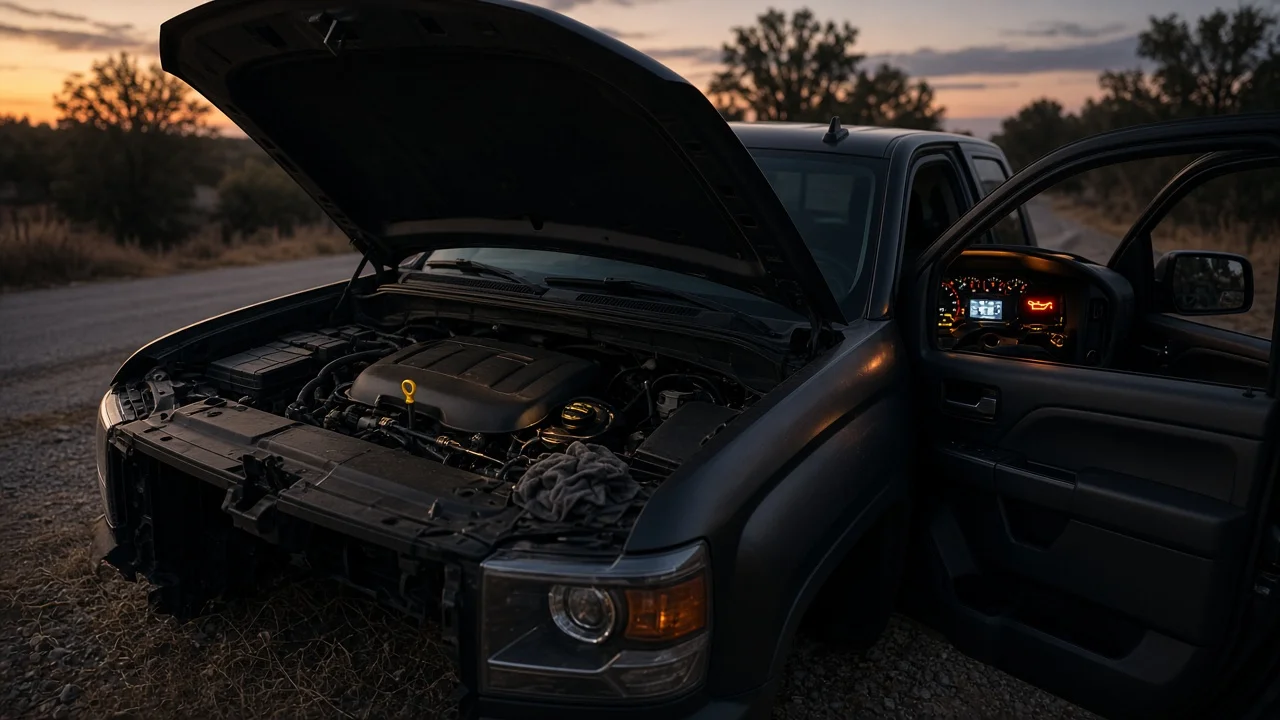
A GM “Check engine oil pressure” warning means the driver information system has received a reading below the expected threshold from the oil pressure sensor or switch. The message can appear on trucks and SUVs including Silverado, Tahoe, and 2001 Suburban, but it is not a direct statement that the oil pump or bearings have failed. It is an urgent signal to stop evaluating the warning and start checking the lubrication system. Interpreting the warning correctly requires separating a false signal from a genuine loss of oil pressure, and then testing the system before deciding whether the engine can be restarted safely.
Essential answer
The essential answer is that this warning should immediately end normal driving. Oil pressure is what keeps the crankshaft, camshaft, and connecting rod bearings separated from their journals by a pressurized lubricant film. When pressure falls, the film can collapse and produce metal-to-metal contact. On GM vehicles, the warning is commonly generated by a pressure sensor, but the exact strategy varies by model year and engine controller. The message does not identify whether the cause is low oil level, a faulty sender, wiring damage, or a mechanical loss of pressure.
This warning differs from a routine oil change reminder because it concerns the hydraulic condition of the engine while it is running, not the age of the oil. A level check is the first observable step, but a normal dipstick reading does not rule out a pickup tube problem, a failing pump, or a sensor that is misreporting the condition. For a 2001 Suburban, Silverado, or Tahoe, the driver information center may use slightly different wording, yet the required response is the same: confirm whether actual pressure exists before continuing to run the engine.
Diagnosing a problem
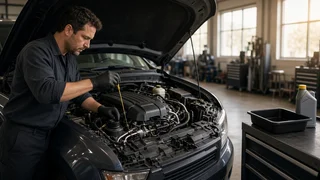
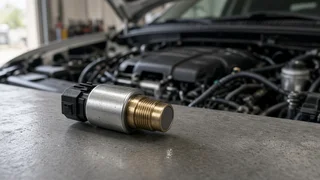
Diagnosing the problem begins with checking the oil level and looking for obvious leaks or a recent service issue. If the level is low, adding the correct lubricant specification may restore pressure, but the engine should still be watched for knocking or lifter noise. When the level is normal, the warning may be caused by a failing oil pressure switch or sender circuit. A mechanical gauge can be installed temporarily in the sender port to compare the displayed value with actual engine oil pressure. This is the clearest way to test the condition.
Oil pressure should be interpreted in relation to engine speed and temperature. Pressure naturally drops at hot idle and rises with rpm. A reading that stays extremely low even when rpm increases suggests a lubrication supply problem such as a restricted pickup screen, a worn oil pump, or excessive bearing clearance. A gauge reading that is normal while the warning remains active points toward an electrical or sensor issue. If the engine develops heavy knocking, ticking, or metal-like noise along with the warning, continued operation risks severe internal damage and professional diagnosis is the appropriate next step.