GM Brake Vacuum Pump Recall: Checking Vehicle Eligibility
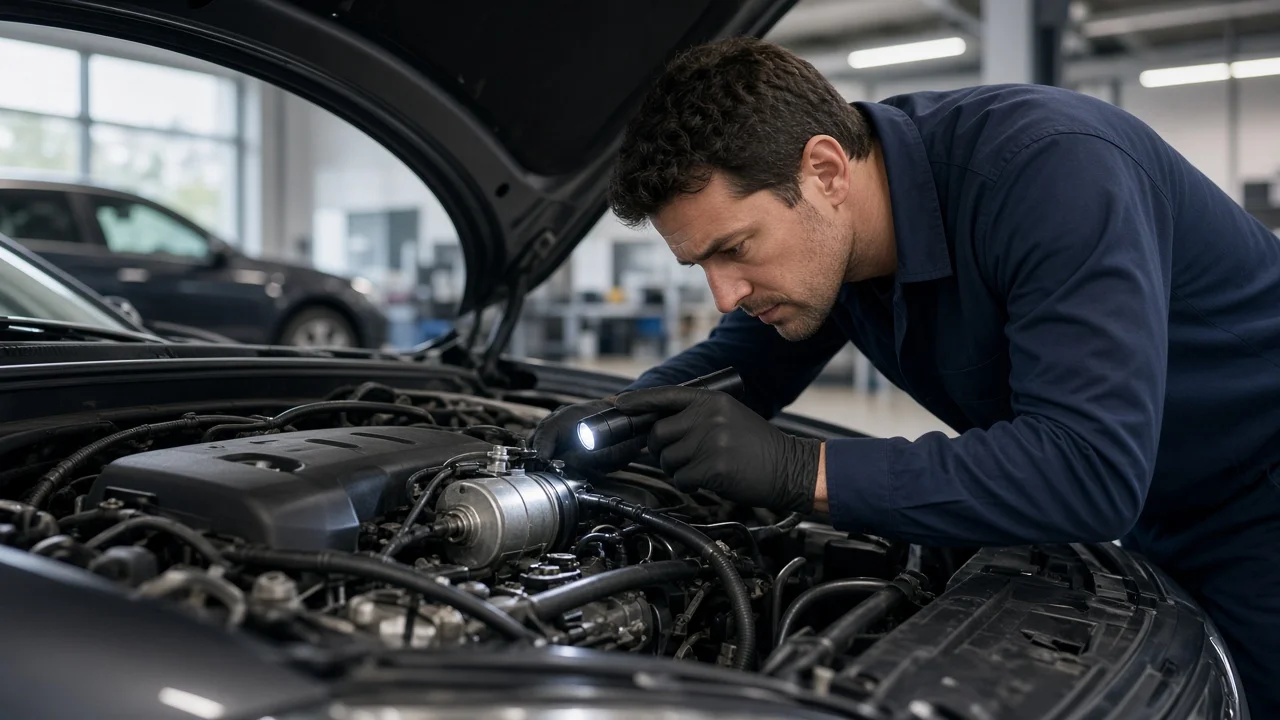
A GM brake vacuum pump recall only helps if it actually applies to your vehicle, and that depends on far more than the model name. Vacuum pumps supply the brake booster on many engines, so a weak pump can make the pedal hard and lengthen stopping distances. This guide explains how to tell whether a campaign covers your specific truck, SUV or car, how to confirm its status, and what to do until the repair is finished.
Identify the possible campaign
Many gasoline direct-injection, turbocharged and diesel engines do not produce enough steady intake manifold vacuum to run a conventional brake booster on their own. On those engines, a mechanical pump driven by the engine or an electric pump supplies vacuum to the booster. When pump output drops, the booster provides less assistance. The brakes still work hydraulically, but the driver has to push much harder on the pedal, and stopping distance can increase, especially in a sudden stop. That loss of assist is why vacuum supply problems are treated as a safety concern rather than a comfort issue.
GM has addressed brake vacuum supply concerns on certain vehicles, but no single recall covers every model that uses a vacuum pump. Each campaign is defined by specific model years, engines, build dates and sometimes production plants. Two vehicles of the same model and year can fall on opposite sides of a build-date cutoff, and a different engine option may not use the affected pump at all. Treat anything you read in a forum, a news story or a neighbor's experience as a lead to check, not as proof that your vehicle is included. Remedies can also differ between campaigns, from inspection and part replacement to other corrective procedures described in the official notice.
Confirm the exact vehicle
Eligibility is tied to the 17-character vehicle identification number, not to the model name. The VIN encodes the manufacturer, model line, body, engine family and model year, plus a serial sequence that the manufacturer links to the individual build record. You can find it at the lower driver-side corner of the windshield, on the label in the driver's door jamb, and on the registration, title and insurance card. Compare at least two sources to rule out a typo; a single wrong character can return a false 'no recall' result or another vehicle's history.
Recall notices also carry campaign identifiers. GM assigns its own recall or program number, and in the United States safety recalls also receive a federal campaign number. Quoting those numbers when you call a dealer or compare a letter with a lookup result prevents confusion with unrelated campaigns, such as a separate brake fluid, caliper or brake line action on the same vehicle. Build details matter as well: the engine code, the option codes on the service parts label, and the build date on the door jamb certification label can explain why a vehicle is included or excluded. Vehicle fitment for replacement parts follows the same logic, so a pump listed in a parts catalog for your model is not automatically the part specified by a recall.
Verify coverage and status
Use current records rather than an old letter or printout. GM's owner account and mobile app, an authorized GM dealer's service department, and the recall lookup maintained by the National Highway Traffic Safety Administration all accept a VIN and show open safety recalls. Manufacturer and dealer systems usually also list GM programs that are not federal safety recalls, such as special coverage, which the government lookup does not show. If results disagree, ask the dealer to check the campaign and warranty history in GM's system, because that record shows whether the work was already completed at any authorized dealer.
Pay attention to the status wording. An open or incomplete recall means no remedy has been recorded for that VIN. 'Remedy not yet available' means the vehicle is included but parts or procedures are not ready; owners are typically notified again when the repair can be scheduled. 'Completed' means an authorized dealer submitted the repair. A result showing no open recalls only describes that database at that moment. Campaigns can be launched or expanded later, so recheck before buying a used vehicle and periodically while you own it. If you bought the vehicle used or moved, update your ownership and contact details with GM so future notices reach you.
Understand the remedy
Several kinds of manufacturer action can mention a brake vacuum pump, and they are not interchangeable. A safety recall addresses a defect that creates a safety risk; for covered vehicles, the remedy is performed at no charge by an authorized dealer, and an unrepaired recall stays open on the VIN when the vehicle changes hands. A technical service bulletin gives technicians diagnostic and repair guidance for a known condition. It is not a recall and does not by itself entitle anyone to a free repair; who pays depends on warranty status or another program. A warranty extension, which GM often calls special coverage, lengthens coverage for a named component or condition for a defined time and mileage, after which the repair becomes an ordinary paid job.
Read the actual notice or program description for your VIN instead of assuming its terms. It states the condition, the covered components, what the dealer will inspect or replace, and any time or mileage limit. Some programs describe reimbursement for owners who paid for a qualifying repair before the campaign was announced; if yours does, the notice explains the required documentation and deadline. A vacuum pump campaign does not cover routine braking wear either. Brake pads, brake rotors and other friction material are still judged against the vehicle's published wear limits, and a hard pedal caused by something else, such as a leaking booster hose or a faulty check valve, needs its own diagnosis.
Arrange the next step
Before calling the dealer, gather the VIN, current mileage, the recall or program number from your lookup or letter, and a short description of any symptoms, such as a firm pedal after startup, a hissing noise, a brake warning message or a change in stopping effort. Ask whether parts are in stock and how long the repair takes; a scheduled appointment avoids a wasted trip when the remedy is not yet available. Bring receipts for any earlier vacuum pump, booster or hose work, since they support diagnosis and any reimbursement claim.
After the visit, check the repair order. It should show the campaign number and describe the work performed, and the VIN lookup should later show the recall as completed. If it still appears open after the dealer's claim has had time to process, take the repair order back so the record can be corrected. Keep the paperwork with the vehicle's service records; future buyers and repair shops will want proof that the outstanding repair was closed.
Until the remedy is done, follow any interim instructions in the owner notice. If the brake pedal becomes noticeably hard, a braking assist warning appears, or the vehicle takes longer to stop, stop driving it, park somewhere safe and arrange a tow to a dealer or qualified brake shop. Do not compensate for reduced assist by pressing harder and continuing the trip. Keep normal brake maintenance on schedule as well, including brake fluid condition and caliper operation, because a vacuum pump repair restores assist but does not correct unrelated hydraulic or wear problems.