GM 2.0L turbo four-cylinder reliability problems

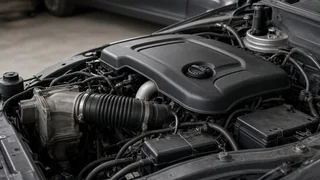
The GM 2.0L turbo four-cylinder engine has powered a wide range of mainstream models, making long-term durability a common ownership question. Researching gm 2.0l turbo 4 cylinder engine reliability means weighing design characteristics, observed symptoms, and maintenance evidence rather than relying on a single reputation. Turbocharging, direct fuel delivery, and crankcase ventilation behavior all influence how this engine configuration ages in daily service. Some owners report largely uneventful operation, while others encounter specific faults that deserve careful interpretation. Service history and symptom conditions often reveal more than the engine family name alone, especially when a diagnostic code appears.
Essential answer
Reliability for this turbocharged four-cylinder is best understood as a conditional record rather than a universal verdict. The engine configuration combines a relatively small displacement with forced induction, which increases output density and also raises thermal and pressure loads on seals, the cooling system, and oil control components. When maintenance has been consistent, many examples operate normally through extended mileage. When oil changes were delayed or low-quality fuel was used, the same design can expose weaknesses earlier. The essential answer is that predictable upkeep and prompt attention to early symptoms materially shape the ownership experience.
Engine configuration also matters because a turbocharged direct-injection design can accumulate carbon on intake valves over time. This may create rough idle, cold-start misfires, or reduced fuel economy. Those symptoms do not always mean internal failure; they can be part of normal wear influenced by driving conditions and oil volatility. Consequently, a prospective buyer should treat the model as acceptable when supported by verifiable service records, not as automatically troublesome or automatically trouble-free. The strongest evidence comes from inspection of the individual vehicle rather than broad generalizations about the engine family.
Diagnosing a problem
A stored diagnostic code for a misfire, boost control issue, or fuel trim imbalance is a starting point, not proof that a specific part has failed. Manufacturer-dependent codes require vehicle-specific confirmation because the same number can point to different circuits or calibration regions across models. Observing symptom conditions helps narrow the cause. For example, a cold-start stumble that clears when warm may suggest fuel delivery or carbon accumulation, while a stumble under heavy throttle may point toward ignition or boost control. Oil consumption, coolant loss, or unusual smoke should change the priority of the inspection.
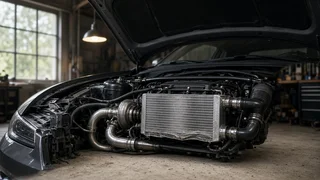
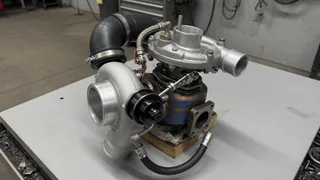
Begin with the least invasive checks: look for loose or cracked intake plumbing, degraded ignition components, contaminated oil, and external leaks near the turbocharger or cooling fittings. Each finding indicates a direction rather than a complete diagnosis. If an overheating condition, heavy knocking, sudden loss of oil pressure, or visible metal in the oil appears, continued driving can multiply damage and stopped use may be the safe choice. Professional diagnosis becomes necessary when the fault requires pressure testing, borescope inspection, or model-specific calibration data to separate an electrical issue from a mechanical one.