GM 1.3 turbo engine reliability problems

A GM 1.3 turbo engine sometimes raises questions long after the test drive, especially when owners notice new noises, oil consumption, or warning lights. Reliability depends on how the small-displacement turbocharged design is driven, serviced, and diagnosed over time. Understanding the engine configuration, typical symptom conditions, and what diagnostic codes can and cannot prove helps separate routine behavior from a developing fault. This overview examines the essential reliability picture and how to approach a suspected problem without assuming that a single code identifies a failed part or a definitive repair.
Essential answer
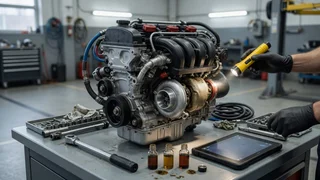
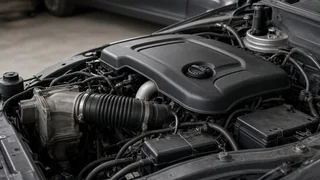
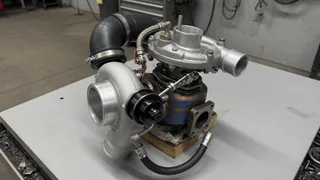
The GM 1.3 turbo engine is a compact, forced-induction powerplant designed to balance usable torque with fuel efficiency. In general terms, its reliability is closely tied to service history, oil condition, cooling system health, and how consistently the turbocharger receives clean lubricant under load. No engine of this type is immune to wear, but many reported concerns are not universal failures. They often reflect maintenance gaps, low-quality fluids, or extended intervals that stress a small-displacement turbo engine more quickly than a larger naturally aspirated unit.
Any reliability judgment should begin with the specific vehicle’s condition rather than a broad reputation. The same engine configuration can behave differently depending on mileage, climate, driving patterns, and prior repairs. Manufacturer specifications for oil, filters, and coolant are important because a turbocharged engine operates at higher thermal and mechanical loads. Without confirmed service records, a visible leak or unusual sound is evidence to investigate, not proof that the engine is inherently unreliable or that an expensive component has already failed.
Diagnosing a problem
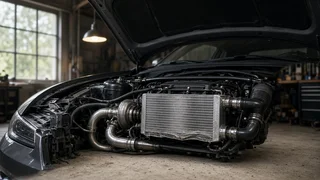
A symptom such as rough idle, reduced power, excessive smoke, or an illuminated malfunction indicator lamp should be diagnosed through observable checks before parts are replaced. Begin by confirming the symptom conditions: whether it appears cold, under boost, at steady speed, or only after hard acceleration. Look for loose intake hoses, oil seepage near the turbocharger, coolant loss, or contaminated fluid. Each result narrows the possible causes. A boost leak, aging spark plugs, a dirty sensor, or a restricted filter can mimic a major internal fault on a turbocharged engine.
Diagnostic codes are useful clues, but they are not a parts list. A code pointing to an airflow, misfire, or boost control circuit may originate from wiring, a connector, a vacuum line, or a calibration issue rather than a failed turbo or internal component. Because manufacturer-dependent codes and vehicle-specific strategies vary, a range of plausible causes should be examined before concluding that a major repair is needed. If the vehicle overheats, loses oil pressure, makes hard metallic noise, or shows severe smoke, stop driving and seek professional diagnosis.