Tip-Out Glass Windshield for Polaris Ranger: What to Check Before You Buy
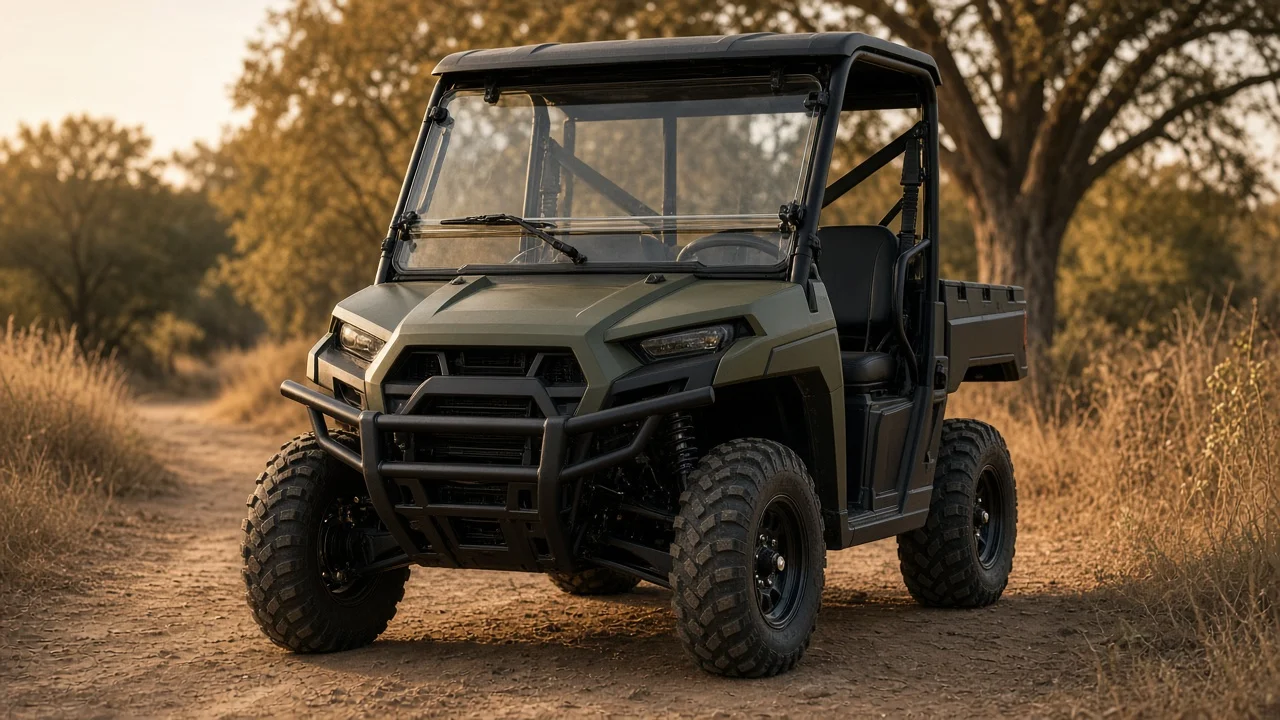
A glass tip-out windshield can be a good upgrade for a Polaris Ranger if you want a clear, scratch-resistant view, the option to run a wiper, and a way to let air in without removing the windshield. The most important condition is fitment. Rangers come in several sizes, seat configurations and cab-mounting systems, so a windshield built for one Ranger may not fit another. Before you compare features or prices, confirm that the windshield is listed for your exact model, model year and cab setup.
What a tip-out windshield does
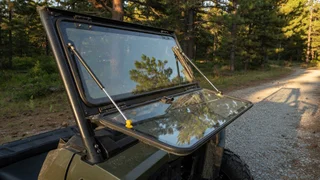
A tip-out windshield is mounted on hinges, so you can tilt it away from the fixed closed position instead of leaving it fully sealed or removing it. Most designs offer at least two positions: fully closed for weather protection and tipped open to let air into the cab. Some also fold further for maximum airflow or easier cleaning. Brands use different names for this, such as tip-out, flip-out, vented or multi-position windshields. Check how many positions a given product actually has and how each one is held in place.
Pay attention to the hinge location. A windshield hinged at the top usually swings its lower edge outward. One hinged at the bottom tilts its upper edge forward. The hinge location affects airflow, how the windshield clears the hood and dash, and whether it works with a roof, visor or light bar you already have.
Confirming fitment on your Ranger
Ranger windshields are not universal across the lineup. A listing that says only 'fits Polaris Ranger' does not tell you enough. Match the product against each of the following details, and treat any unresolved difference as a reason to ask the seller before ordering.
Model family and size: mid-size Rangers and full-size Rangers have different cab dimensions. Model year: roll-over protective structure (ROPS) shapes and mounting points have changed over time, so a windshield listed for one year range may not fit another. Seat configuration: two-seat and crew models often share a front windshield, but confirm this rather than assuming it. Cab mounting system: many newer Rangers use the Polaris Pro-Fit cab system, and windshields designed for it attach differently from those made for non-Pro-Fit cages. Special editions and factory cabs: Rangers that left the factory with an enclosed cab or glass may already have specific mounting hardware, or may not need an aftermarket windshield at all. Powertrain variants: electric and gas Rangers can differ in cab and body details, so confirm the listing covers your powertrain. Existing accessories: roofs, visors, doors, light bars and cab heaters can affect clearance and sealing.
The most reliable way to confirm fitment is to compare the seller's fitment list against your vehicle's model name, model year and, where offered, a VIN-based or model-number lookup. If the seller cannot confirm compatibility with your roof or doors, ask before you buy. Glass windshields are often shipped by freight, which makes returns costly and slow.
Glass vs. polycarbonate
Most tip-out windshields are made from either glass or polycarbonate. Polycarbonate is a tough, lightweight plastic. Hard-coated versions have a surface treatment that improves scratch resistance. Glass and polycarbonate suit different uses, and the right choice depends on how and where you ride.
Factor | Glass | Polycarbonate (uncoated or hard-coated); Scratch resistance | High; tolerates wipers and regular cleaning | Uncoated scratches easily; hard coating helps but can wear over time; Wiper use | Well suited | Generally not recommended for uncoated; hard-coated varies by product; Optical clarity over time | Stays clear with normal care | Can haze or scratch, especially in dusty conditions; Impact behavior | Can crack or break under a hard impact | Highly impact resistant and unlikely to shatter; Weight | Heavier, which adds load on hinges and mounts | Lighter; Shipping and handling | Usually freight, with a higher risk of damage in transit | Easier to ship; Cost | Generally higher | Generally lower
Glass is usually the better choice if you ride in dust, rain or snow, want a wiper, or keep the cab enclosed for long periods. Polycarbonate can make more sense if you ride trails with frequent branch or rock strikes, or if you want the lightest and simplest option.
Features worth checking
Glass type: automotive-style laminated safety glass holds together when cracked. Check whether the product specifies laminated or tempered glass and whether it carries a DOT marking if that matters for your use or state. Frame material and finish: look at what the frame is made of and how it is protected against corrosion, such as powder coating. Hinge and latch design: check how the windshield locks in each position, whether the latches can be operated by hand, and whether the open positions resist vibration. Seals: check for weatherstripping along the hood, the roof and the sides where doors meet the windshield. Poor seals let in dust, water and noise. Wiper and washer provisions: some glass windshields come ready for a wiper motor or include a wiper kit. Others need one added later or do not support it. Rattle control: look for rubber isolators or padded clamps where the frame meets the ROPS. Mounting hardware: check whether it uses clamps, bolts into existing cab mounting points, or needs drilling. Removability: check whether it can be taken off easily for seasonal use or if you want to switch to an open cab.
Installation and ownership trade-offs
Most tip-out windshields bolt or clamp to the front of the cab structure and can be installed with basic hand tools. Because glass is heavy and fragile, two people make the job easier and safer. Follow the manufacturer's instructions for hardware order and tightening. Overtightening clamps can stress the glass or damage the ROPS finish, and undertightening can cause rattles or shifting.
After installation, cycle the windshield through every position and confirm it clears the hood, dash and any accessories without contact. Recheck fasteners after the first few rides, since vibration can loosen hardware. Over time, inspect the seals and hinges, and clean glass with products that are safe for any seals and coatings nearby.
Keep a few trade-offs in mind. A full glass windshield adds weight at the front of the cab. With a roof and rear panel, it can trap more dust or exhaust in some conditions unless you use the vent position. A cracked glass windshield is typically replaced rather than repaired, and replacement panels may need to be ordered from the same manufacturer to fit the frame.
Receiving a freight-shipped windshield
Glass windshields are often delivered by freight carrier rather than standard parcel service. Inspect the package before signing for delivery, and open it promptly to check the glass for chips or cracks. Note any visible damage on the delivery receipt and contact the seller right away. Before ordering, read the seller's policy on shipping damage and returns, since some limit claims to a short window after delivery.
Quick pre-purchase checklist
The listing names your exact Ranger model, model year, seat configuration and powertrain. The mounting type matches your cab (Pro-Fit or non-Pro-Fit). The windshield is compatible with your current roof, doors and other accessories. The glass type is stated clearly. The number of positions and the latch design meet your needs. You know whether a wiper is included, supported as an add-on, or not supported. The seals cover the hood, roof and door edges. You understand the shipping method and the damage and return policies. Replacement glass is available if the windshield is ever broken.
If the windshield matches your Ranger's exact configuration and works with the accessories you already run, the decision comes down to glass vs. polycarbonate and the quality of the hinges, latches and seals. When any part of the fitment is uncertain, confirm it with the seller before ordering. That step does more to prevent a costly mistake than any feature comparison.