Garden tractor trailer hitch pin
Choosing a garden tractor trailer hitch pin comes down to matching the pin's shank diameter and usable length to the drawbar and trailer tongue. Drop pin trailer hitch hardware is simple, but a loose or undersized pin lets the tongue rattle, wallow out the hole, and create unsafe slop during towing. A pin that is too long or has the wrong handle shape can also interfere with mower decks, baggers, or ground clearance. Before buying, measure the receiver or drawbar hole and inspect how the trailer coupler sits on the tractor. This quick check prevents the most common fitment and retention problems.
The direct answer
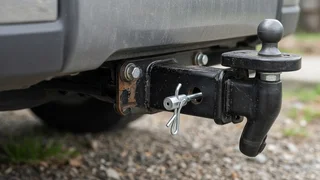
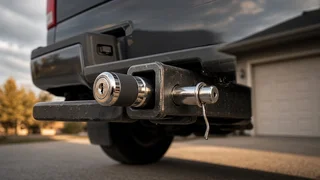
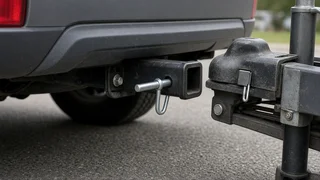
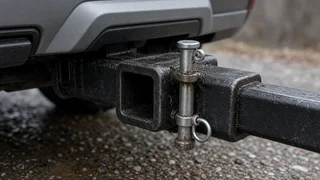
For most garden tractor trailer hitch pin applications, the correct first step is to measure the drawbar hole and the trailer tongue opening before ordering. A drop pin trailer hitch works by passing a straight or bent shank through aligned holes, then relying on a clip, cotter, or spring retainer to keep it seated. The pin should fit with minimal side play but still slide in and out without hammering. If the existing hole is worn oblong, a slightly larger shank may not seat correctly, and the drawbar itself may need repair rather than a new pin.
The material condition of the pin matters as much as the diameter. Look for hardened steel or another corrosion-resistant finish when the tractor is stored outdoors or used around manure, fertilizer, or wet grass. The handle should be easy to grip with gloves and should not rotate into the wheel path or catch on low-hanging attachments. For a garden trailer used at walking speed, a simple pin with a secure hairpin clip is often sufficient. A spring-loaded drop pin can reduce rattle, but any pin must be confirmed against the specific hole size on the machine.