Gap Insurance for Cars: Coverage, Cost Factors and When It Makes Sense
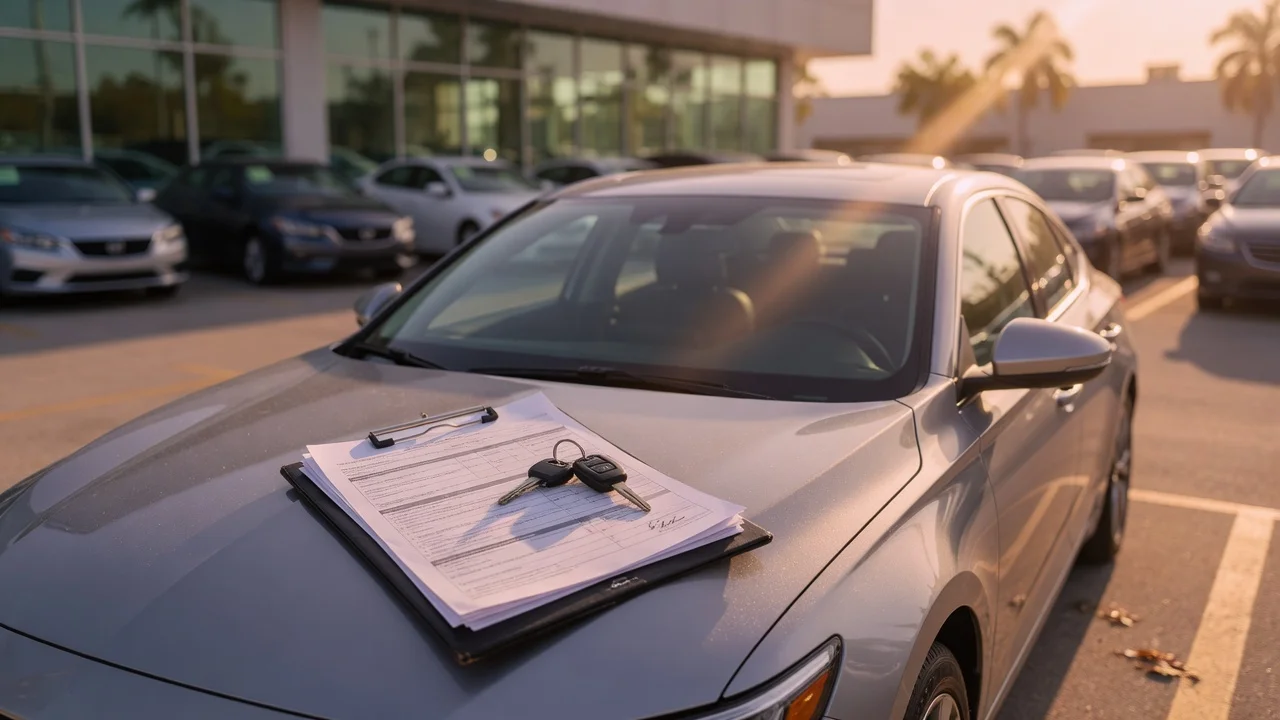
GAP insurance (Guaranteed Asset Protection, also called Guaranteed Auto Protection) pays the difference between what a regular auto policy pays for a totaled or stolen car and the balance still owed on the loan or lease. It is worth considering while you owe more than the vehicle’s actual cash value. If you already have equity, a small remaining balance, or own the car outright, the coverage usually adds little benefit.
How GAP coverage works after a total loss
A standard auto policy pays actual cash value, or ACV: the market value of the vehicle just before the loss, minus any deductible. ACV reflects age, mileage, condition, options, and comparable sales for that model year, trim, powertrain, and market. New and late-model vehicles often lose value faster than the loan balance declines, so ACV can sit below the payoff for months or years after purchase.
If the car is a total loss or is not recovered after theft, GAP is meant to settle that shortfall with the lender or lessor. Collision coverage is still required for a crash total loss, and comprehensive coverage is still required for theft and many non-collision total losses. GAP applies after those coverages pay ACV.
What a GAP contract typically pays
The unpaid loan or lease payoff minus the ACV paid by the auto insurer after a qualifying total loss or theft; On many leases, the difference between ACV and the lease payoff, including residual and early-termination amounts allowed by the lease, when the product is written as a GAP waiver; In some contracts, reimbursement of the collision or comprehensive deductible, up to a stated cap
Common exclusions and limits
Partial repairs when the insurer keeps the vehicle in service; Past-due payments, late fees, and some finance charges; Optional products rolled into the loan, such as service contracts, credit insurance, or accessories, unless the GAP form includes them; Negative equity from a prior vehicle that was refinanced into the new loan, unless the policy states that it covers that amount; Losses that occur while collision or comprehensive coverage is not in force; A vehicle with no loan or lease balance; Benefits above a maximum dollar amount, or above a stated percentage of ACV, if the form uses a cap
The trigger, benefit cap, and list of included charges are in the GAP addendum or insurance policy. Two products with the same nickname can pay different amounts, so the signed contract is the source of truth for a given loan or lease.
Cost factors
Premiums vary by seller, vehicle, and loan structure. There is no single retail price, so a dealer menu charge, a lender quote, and an auto-insurer endorsement can differ for the same car. Ask for the total premium, whether it is a one-time charge or billed with the auto policy, and whether any unused portion is refundable if you pay off, sell, or refinance.
Loan-to-value at purchase: a higher amount financed relative to the car’s value leaves a larger potential shortfall; Term length: a longer loan keeps more principal outstanding while the car depreciates; Down payment and trade equity: less cash or trade value at signing usually means a larger gap; Vehicle price and depreciation pattern: configurations that lose value quickly create a wider early gap; Negative equity rolled forward from a previous loan; Where you buy it: dealer, lender, credit union, or auto insurer, and whether the premium is financed; Extras such as deductible reimbursement or inclusion of certain fees
When a dealer premium is added to the amount financed, interest accrues on that charge for the remaining term unless you cancel and receive a refund applied to principal. An insurer-billed endorsement is typically paid with the auto policy rather than capitalized into the loan. Compare the premium, the finance cost, and the cancellation and refund terms together.
When GAP insurance makes sense
The coverage is most useful while the loan or lease balance is higher than a realistic ACV. That position is common right after delivery of a new or late-model vehicle, and it lasts longer when the term is stretched or the down payment is small.
You financed most or all of the purchase price, including taxes and fees; The loan term is long enough that the balance stays high through the steepest years of depreciation; You leased the vehicle and the lessor requires a GAP waiver or equivalent protection; You rolled an unpaid balance from a prior vehicle into the new contract; The vehicle’s model year, trim, and powertrain tend to drop sharply in value early, which you can check against current comparable listings in your market; You would struggle to pay the leftover loan from savings if the car were totaled tomorrow
When the coverage adds little value
GAP pays a shortfall. If little or no shortfall is likely, the premium buys a benefit you may never use.
A large down payment or trade already put the loan below current market value; Only a modest balance remains, and resale value still exceeds it; You own the vehicle outright; You are insuring an older car with a short remaining term; You have cash set aside that would cover a realistic gap after an ACV payout
Loans, leases, and the form of the product
On a purchase loan, GAP is usually optional unless the lender requires it because the amount financed is high relative to value. On a lease, a GAP waiver is frequently included or offered as a required or strongly encouraged add-on, because a total loss can leave a large difference between ACV and the lease payoff.
Some products are insurance policies; others are waivers in which the lender or lessor agrees to forgive the gap. Both aim to clear the remaining balance after the auto insurer pays ACV. Eligibility, cancellation, refunds, and who pays if a claim is denied follow the form you signed. If you refinance with a new lender, existing GAP often ends, and you would need a new contract if a gap remains.
Conditions that change the decision
The right call depends on this vehicle, this contract, and this market. A lower-priced car bought with a sizable down payment and a shorter term can reach equity quickly. A high-trim truck or SUV bought with little down, a long term, and rolled-in negative equity can stay underwater for years. Model year, trim, powertrain, options, mileage, and regional demand all affect ACV, so a gap that exists for one configuration may be smaller for another. State rules on the sale, cancellation, and refund of GAP also differ; the contract and the lender’s disclosures govern any refund if you cancel.
How to decide on a next step
Estimate your current gap from figures you can request today: take the lender’s payoff quote, subtract a conservative ACV drawn from comparable listings for the same model year, trim, powertrain, mileage band, and options, then subtract your deductible. If the result is near zero or you are ahead, skip GAP or cancel it if the contract allows a refund. If the shortfall is large and you could not pay it from savings, compare quotes before you add or keep the coverage.
Ask the dealer, the lender or lessor, and your auto insurer for the premium, benefit cap, deductible treatment, and refund rules; Confirm whether rolled-in negative equity and aftermarket equipment are included; Confirm that collision and comprehensive coverage are in force; GAP applies only after a qualifying ACV payout; If you already bought dealer GAP, ask how to cancel and how any refund is applied to the loan principal; Revisit the decision after a refinance, a large principal payment, or a sharp change in the vehicle’s market value
A premium, refund, or depreciation figure for a specific car cannot be stated here. Those amounts depend on the seller, the contract, and the vehicle’s model year, market, trim, powertrain, mileage, and remaining loan or lease terms. Use the current payoff and an ACV estimate for your exact vehicle, then keep GAP only while a material shortfall remains.