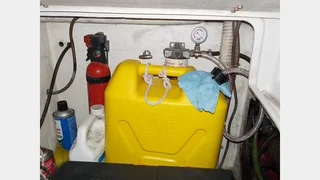
Fuel Pump Won't Fit in Tank
A replacement fuel pump that refuses to seat in the tank usually comes down to an application mismatch, an assembly difference, or a transfer problem from the old module. You may have the correct pressure and flow on paper, yet the housing, sender travel, or mounting flange can still be physically wrong. Before forcing anything, compare the pump module against the original unit and inspect the tank opening for distortion, debris, or a retained seal. This fit problem is often solvable without replacing the entire tank or line assembly.
Essential answer
A fuel pump won't fit in the tank most often because the replacement assembly is not actually identical to the original, even when a catalog says it fits the same engine configuration. Manufacturers may revise the module depth, reservoir shape, return line location, or connector clocking during a production run. A pump from the wrong body style, tank material, or emissions package can measure close but refuse to sit against the lock ring seat. Compare overall height, the orientation of the supply and return ports, and the alignment tabs before concluding the tank itself is the fault.
The second common cause is a leftover component from the old pump. The tank opening may still hold the original seal, a broken retainer tab, or a strainer stem that prevents the new module from dropping into place. A distorted plastic tank from pressure testing or exposure to heat can also narrow the opening slightly. If the new unit enters only partway and cocks sideways, the pump hanger or float arm is usually catching the internal tank baffle. Correct clocking and gently rotating the module often resolve what feels like the wrong part.