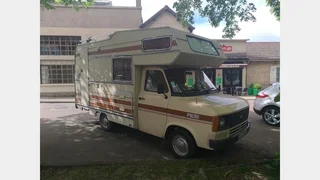
Ford Transit camper van conversion companies
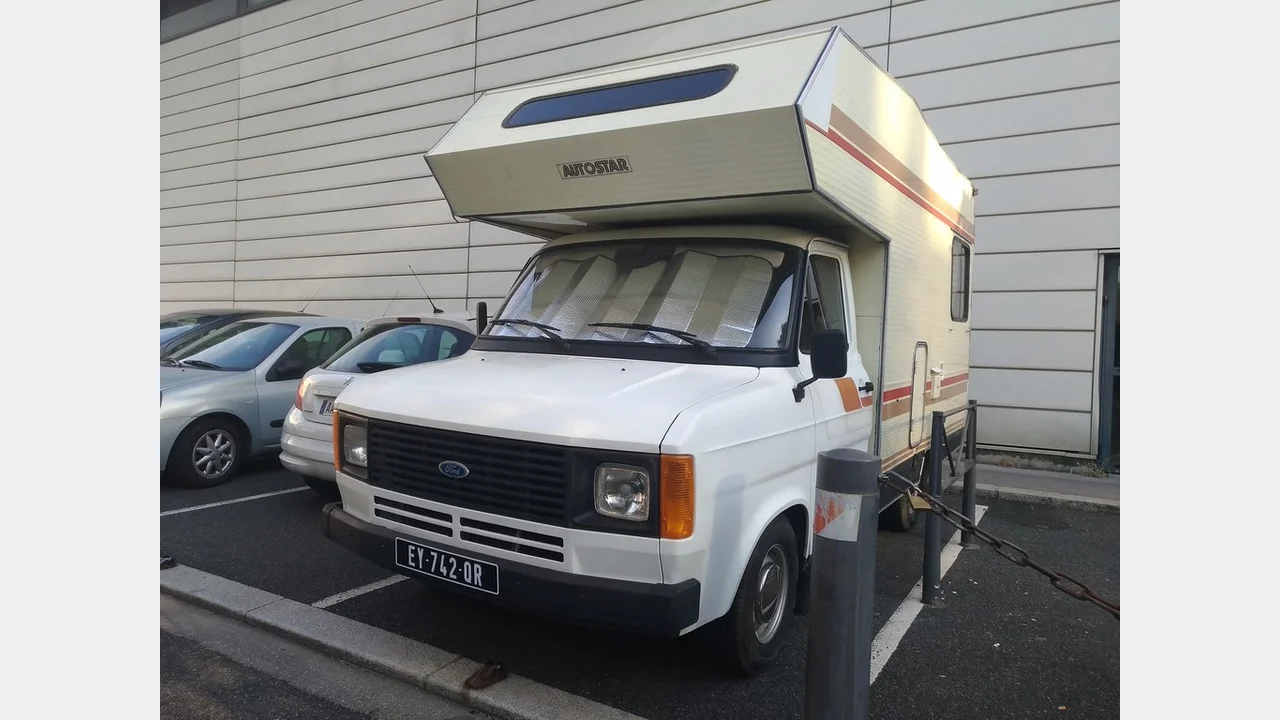
Choosing a Ford Transit camper van conversion company means evaluating more than cabinetry and upholstery. Shoppers should compare how each builder handles the base vehicle, layout planning, weight distribution, electrical integration, and long-term service access. Because individual conversion businesses vary in production methods and regional support, the right choice depends on intended travel style, climate use, and whether the Transit is a passenger, crew, or cargo model. The following guidance explains practical checks that help narrow the field before committing to a purchase.
The direct answer
The direct answer is that no single conversion company fits every buyer. A firm specializing in weekend builds may not be suitable for full-time living, while a high-volume manufacturer may offer repeatable production but less flexibility for unusual floor plans. Shoppers should first confirm whether a builder works primarily with the Ford Transit platform, because roof height, wheelbase, and factory electrical options affect how cleanly systems can be installed.
A practical shortlist should separate converters that produce complete turnkey vans from those offering partial upfitting. Companies may focus on interior carpentry, auxiliary power, plumbing, or all three. Buyers should ask how a shop handles load-rated attachment points, seat mounting, and insulation choices, since those details can be more important than visual finish when the vehicle will carry water tanks, battery banks, and passenger weight over rough roads.