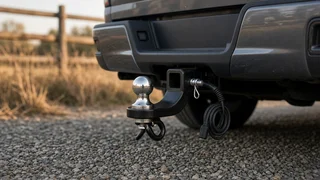
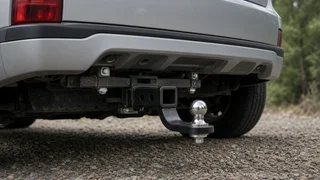
Ford Ranger trailer hitch ball mount
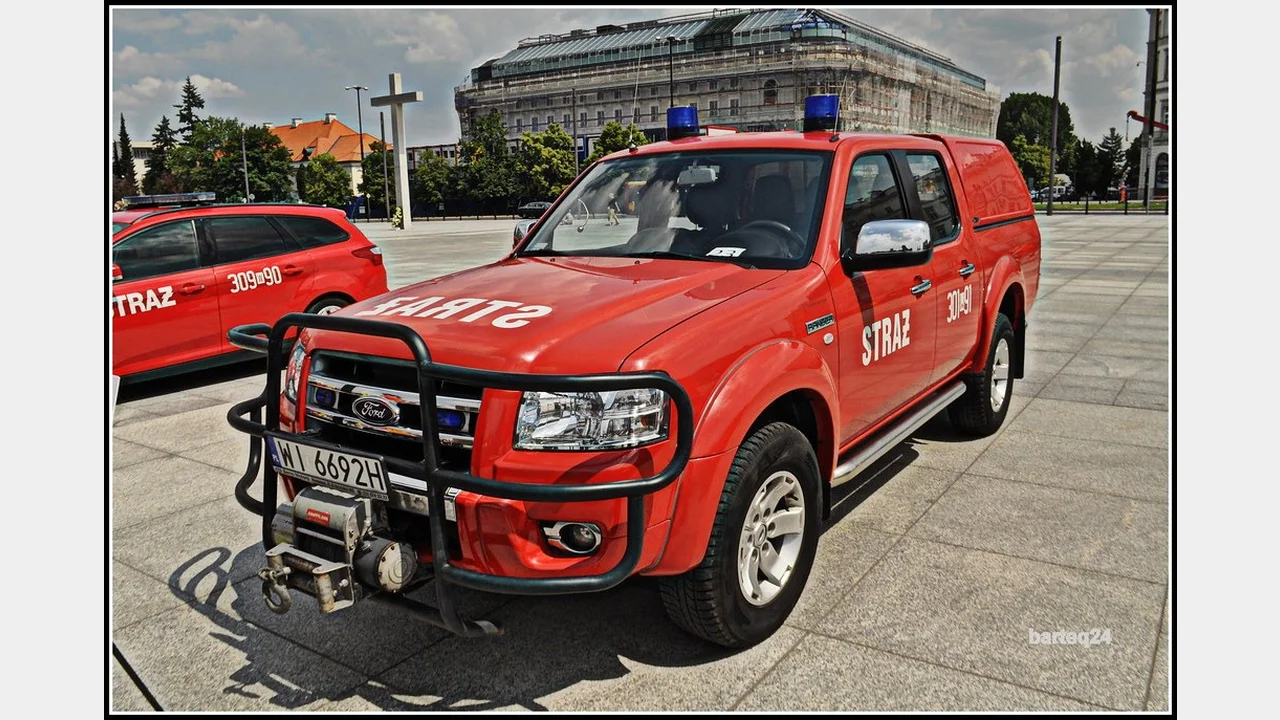
Choosing the right Ford Ranger trailer hitch ball mount comes down to matching the mount's drop or rise, shank size, and weight capacity to your specific truck and trailer. A ball mount that positions the coupler too high or too low can make a trailer sway or ride nose-down, which affects steering and braking. The goal is a level trailer and a secure connection that stays within the truck's rated limits. Understanding the key measurements before you buy helps avoid returns and gives you a setup that tows predictably with your Ranger.
The direct answer
The right Ford Ranger trailer hitch ball mount is the one whose drop or rise keeps your trailer level when it is loaded, whose shank fits the receiver opening, and whose gross trailer weight and tongue weight ratings meet or exceed the trailer's loaded figures. For a stock Ranger, many common setups use a 2-inch receiver and a ball mount with a moderate drop, but ride height, suspension changes, and trailer tongue height can change the needed amount. Confirm the receiver size first; some Rangers have a 2-inch receiver, while heavier configurations may differ.
Tongue weight is often the more immediate concern because it loads the rear axle directly. A ball mount rated for far more capacity than needed is generally acceptable if it still fits the receiver and ball hole, but a mount rated below the loaded tongue weight is unsafe for repeated towing. The condition that changes the answer is trailer height: a lifted or lowered Ranger, or a trailer with an unusually tall coupler, may require a drop or rise that differs from the usual recommendation. Measure both heights with the truck and trailer loaded as they will be towed before finalizing a choice.