Ford Ranger (2015, global T6) wheel offset
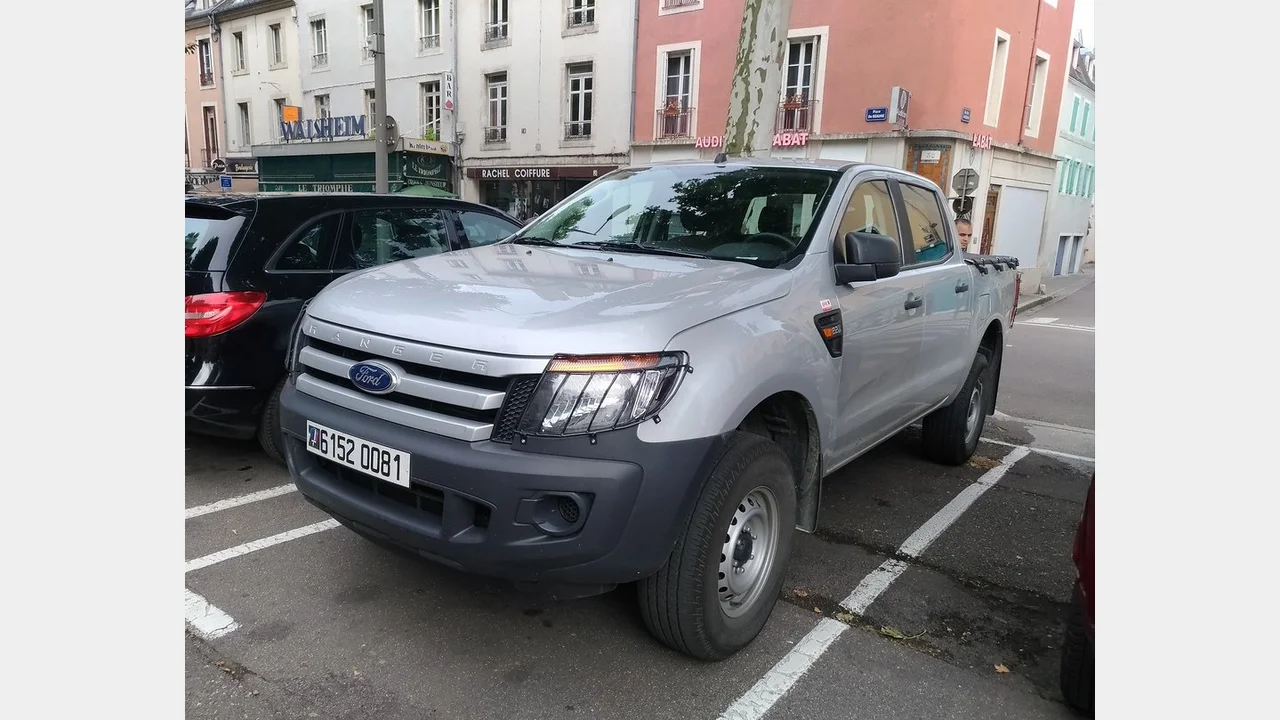
Wheel offset shapes how a 2015 Ford Ranger sits, steers, and accepts different tire and rim packages. On the global T6 platform, changing this dimension moves the tire and wheel assembly inward or outward relative to the suspension. That shift affects fender clearance, scrub radius, bearing load, and the visual stance owners often want. Before comparing factory equipment with aftermarket alternatives, it helps to separate offset from related measurements such as rim diameter, rim width, and bolt pattern. The goal is not a single universal number but an accurate way to evaluate whether a candidate wheel fits the vehicle safely.
Essential answer
For a 2015 Ford Ranger on the global T6 platform, wheel offset describes the distance from the wheel’s mounting face to the centerline of the rim. Positive offset places the mounting face toward the outer side, while negative offset moves it inward. Reducing offset pushes the tire outward, increasing track width and filling the fender arches more aggressively. Raising offset tucks the wheel closer to the suspension. Because this generation uses different factory wheel widths and rim diameters, the appropriate offset must be considered along with those dimensions rather than as an isolated figure.
Clearance is the practical reason offset matters. When a wheel has less positive offset or more negative offset than the original design, the outer tire shoulder moves away from suspension components but closer to the fender lip and front bumper edges during steering. The opposite change can create contact with brake hardware, inner arches, or control arms. Tire compatibility also shifts with offset because a wider tire responds more sensitively to small changes in wheel position. A wheel package that fits at factory ride height may still rub under compression, steering lock, or when suspension bushes flex under load.