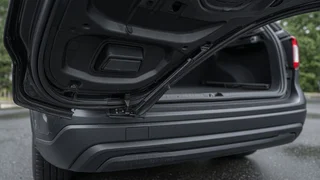
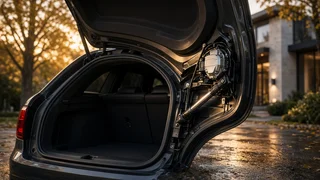
Ford Hands-Free Liftgate Sensor Location
Finding the Ford hands-free liftgate sensor location matters when the kick-to-open function stops responding or works intermittently. On many models, the sensor sits behind the lower rear bumper fascia, where it watches for a distinct kicking motion rather than a random wave. Understanding its general location and identification helps you separate a blocked sensor from a setting-related or switch-related concern before you reach a service decision.
Essential answer
The hands-free liftgate sensor is typically mounted under the rear bumper area, behind the lower center or side trim, depending on the vehicle configuration. The system is designed to detect an intentional kick beneath the rear fascia and then signal the liftgate control module. Because this is a proximity-based feature, the relevant meaning includes both the sensor position and the clear detection zone that the driver uses when approaching the vehicle.
Sensor location can vary by model year, trim, and whether the vehicle has a power liftgate with the hands-free option. A single fault code or a dead feature is not proof that the sensor itself has failed; the issue may also involve wiring, a setting, or the key fob detection. Confirm the exact location and equipped feature for the specific Ford before replacing parts.
Identification and location
To identify the hands-free sensor, look beneath the rear bumper cover for a small sealed module with a connector and a mounting bracket. It is often oriented downward or angled toward the ground so it can sense a foot passing below the fascia. On some vehicles the module may be hidden by a lower valance or shield, so an inspection from underneath may be necessary while the vehicle is parked safely.
Position accuracy is important because the module must receive a clear signal from the intended kick zone. Route information from the owner documentation can confirm whether the sensor is centered or offset, and device settings may allow the hands-free function to be disabled. Coordinates in service material generally place the sensor near the rear bumper impact structure, but exact placement should be confirmed for the applicable vehicle configuration.