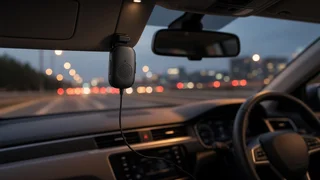
Best hands free car microphone
A weak hands-free car microphone turns every call into a frustrating exercise of repeating yourself over road noise, while a well-chosen unit keeps your voice clear without forcing you to shout or lean toward a pickup. Selecting the best hands free car microphone depends on how the audio enters your stereo, where the capsule sits inside the cabin, and how it rejects wind, engine, and tire sounds. The right match also preserves device pairing and steering wheel interface functions where available, making the connection feel factory rather than bolted on.
Relevant entries
Clip-on noise-reducing microphones are a practical starting point because they place a small directional capsule near the sun visor or headliner, which improves voice pickup without blocking the driver's view. Their value comes from short pickup distance and a focused pattern that suppresses some diffuse cabin noise before it reaches the calling app. When vehicle integration is limited, these units thread into an existing auxiliary input or interface adapter and can still deliver a noticeably cleaner signal than a phone sitting in a cup holder.
Visor or overhead array systems matter when the goal is a more transparent setup, since multiple capsules can sample sound across a wider area and let the head unit or phone apply echo cancellation. This layout supports natural speech from a normal driving position, and it pairs well with connection settings that route call audio through the vehicle speakers while the microphone uses its own preamp. Software compatibility should be checked, because some devices resist automatic gain changes or may conflict with a factory voice assistant already listening in the cabin.
Steering wheel interface and Bluetooth adapter packages deserve attention when call control is part of the purchase. These solutions integrate the microphone with buttons already on the wheel, so the driver can answer or end a call without reaching for the phone. The microphone capsule is usually wired through the adapter and placed high on the A-pillar or headliner, while the adapter preserves vehicle integration through the existing stereo. That combination improves clarity and keeps the hands-free workflow close to what a later factory system would offer.