Ford F-250 / Super Duty Wheel Offset
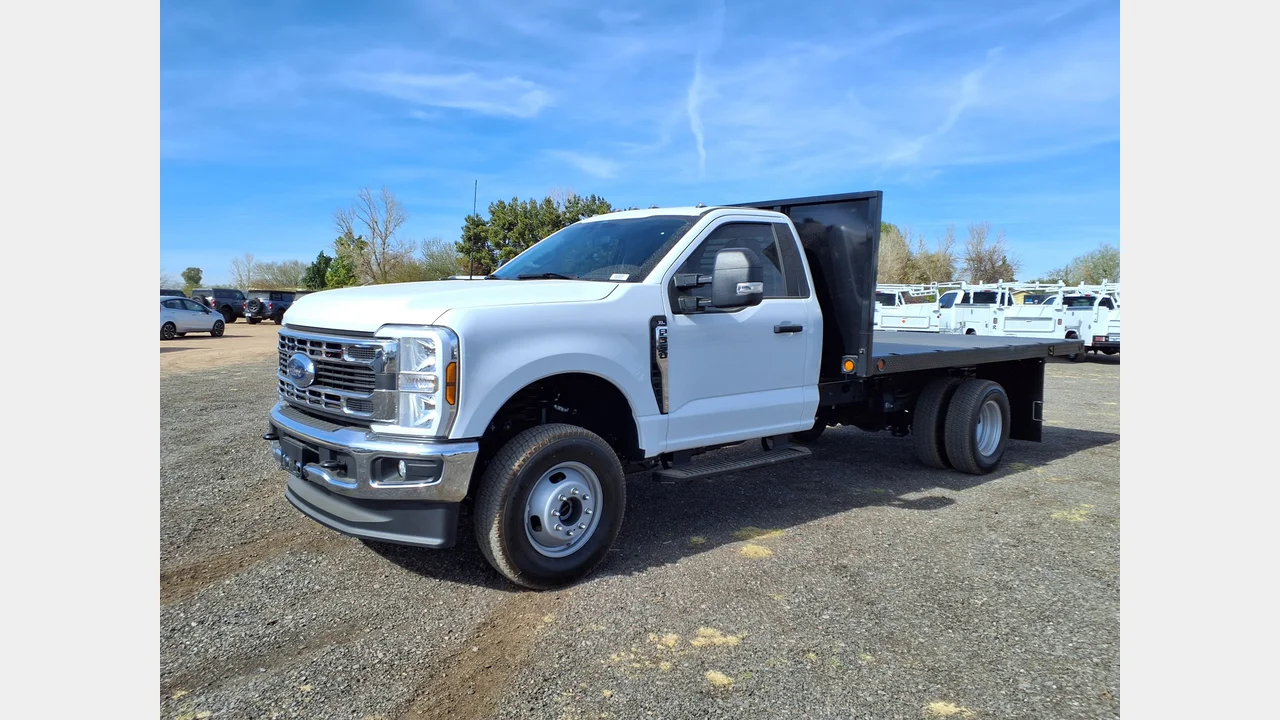
Wheel offset on a Ford F-250 or Super Duty describes where the wheel mounting face sits relative to the rim's centerline, and it directly changes how the tire sits in the wheel well. Because these trucks use heavy axles, stiff suspension, and large tire packages, offset is not just a styling choice. It affects steering feel, suspension geometry, brake and fender clearance, hub loading, and tire compatibility. A factory offset keeps the tire centered under the truck, while an aftermarket offset moves the tire outward or inward. Understanding the difference helps owners compare stock f250 wheel offset measurements with aftermarket options before changing wheels or tires.
Essential answer
The essential answer is that Ford F-250 and Super Duty wheel offset is the distance, usually in millimeters, from the wheel's true centerline to its hub mounting surface. A zero offset means the mounting face is exactly centered. Positive offset pulls the wheel inward toward the suspension, while negative offset pushes the tire outward past the fender. On a heavy pickup, this measurement works together with rim width, rim diameter, and bolt pattern to determine how a wheel fits the hub and how the tire clears suspension arms, brake components, and fender arches.
For a Ford Super Duty, the stock wheel offset keeps the tire load centered over the hub and steering axis, which reduces steering wander and ball-joint stress. When owners look at a ford super duty wheel offset chart, they are comparing the factory mounting position against aftermarket alternatives. A lower or negative offset may create fender clearance issues, increase steering effort, and change tire scrub radius. A higher positive offset may cause inner sidewall or suspension contact. The correct offset depends on rim width, tire size, ride height, and vehicle-specific hub clearance.